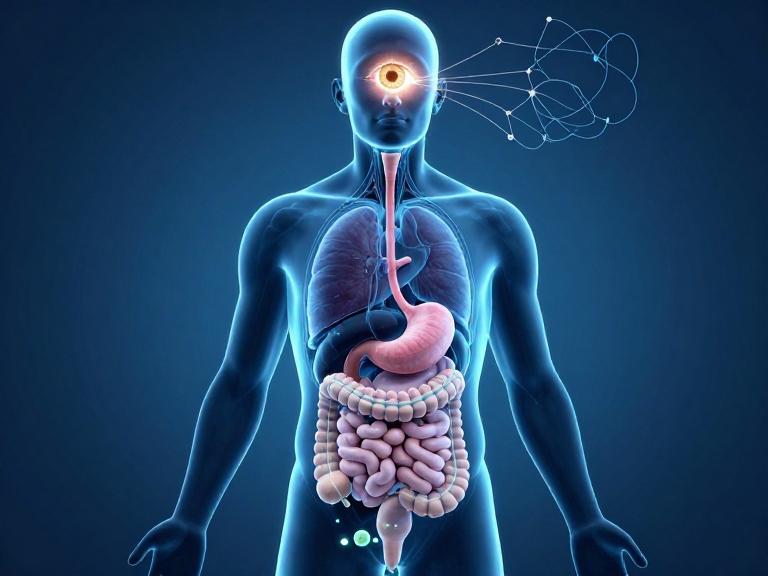
Gut & Eye Health
Explore the relationship between digestive health, nutrition and emerging research into eye wellbeing.
Read the Guide
Our eyes are part of a much larger biological system. Metabolism, circulation, nutrition, immune activity and everyday habits all contribute to the environment in which our eyes function. Understanding these connections can help put eye health into a broader, whole-body perspective.
Explore the ConnectionWhole-body health describes how the body's systems work together to support normal function. The cardiovascular, endocrine, digestive, nervous and immune systems do not operate in isolation. Changes in one area can affect other tissues, sometimes in ways that are not immediately obvious.
The eyes offer a useful example of this interconnectedness. Vision depends on healthy structures, including the cornea, lens, retina and optic nerve. These tissues need an adequate supply of oxygen and nutrients, functioning blood vessels, and carefully regulated biological processes.
Some conditions that affect the body can also affect the eyes. Diabetes and high blood pressure, for example, may damage the delicate blood vessels that help nourish the retina. Nutritional deficiencies can also affect eye function, while some inflammatory and autoimmune conditions may involve ocular tissues.
Eye health is one part of overall health. Looking after the body can help reduce certain risks to vision, but general wellbeing does not replace eye-specific care, diagnosis or treatment.

Metabolic health refers to how the body manages processes such as blood glucose regulation, energy use and the handling of fats. These processes influence the blood vessels and tissues that support normal organ function, including vision.
Diabetes is one of the clearest examples of a systemic condition affecting the eyes. Persistently elevated blood glucose can damage small blood vessels in the retina, the light-sensitive tissue at the back of the eye. This damage can lead to diabetic retinopathy.
Diabetic retinopathy may develop without noticeable symptoms in its early stages. As it progresses, it can affect vision and, in severe cases, lead to vision loss. Other diabetes-related eye complications can include diabetic macular oedema and an increased risk of certain other eye conditions.
Managing blood glucose, blood pressure and cholesterol, together with attending recommended dilated eye examinations, can help reduce the risk of vision-threatening complications. Individual treatment and screening schedules should be discussed with a healthcare professional.
The retina relies on a network of small blood vessels to deliver oxygen and nutrients. High blood pressure can damage blood vessels throughout the body, including those in the eyes. Blood pressure changes may also be associated with other vascular risks relevant to eye health.
Supporting cardiovascular health through appropriate medical care, regular physical activity, balanced nutrition and other sustainable habits can benefit overall wellbeing. If you have high blood pressure, diabetes or another chronic condition, follow the monitoring and treatment plan recommended by your healthcare team.
Some systemic conditions can affect vision before a person notices symptoms. Routine medical reviews and appropriate eye examinations can help identify risks earlier than relying on symptoms alone.
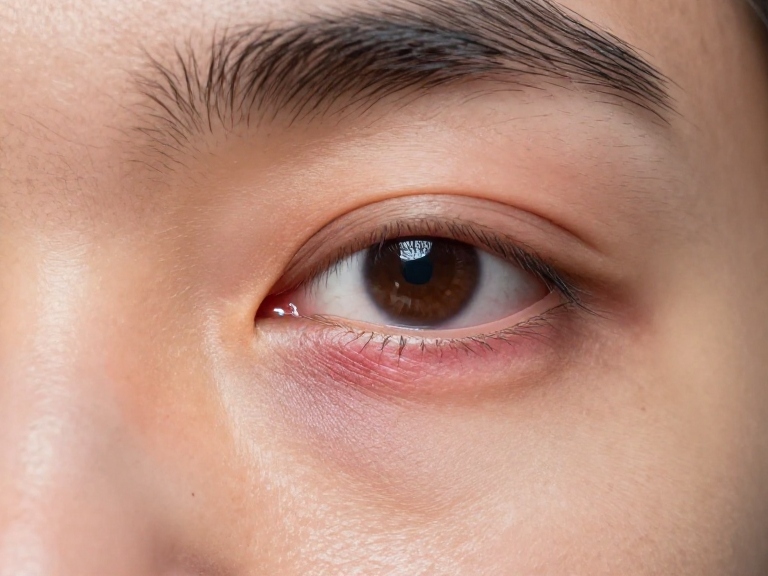
Inflammation is part of the body's normal defence and repair response. It helps the immune system respond to infection and injury. The response is useful when appropriately regulated, but persistent or excessive inflammation can contribute to a range of health problems.
In the eyes, inflammation may affect different structures and cause conditions such as uveitis or inflammatory surface disease. The causes vary and can include infection, autoimmune disease, injury and other factors. Some systemic inflammatory conditions are associated with eye symptoms, making coordinated care important.
At the same time, inflammation is not a single process with one universal solution. Its effects depend on the underlying cause, location, duration and individual circumstances. Eye redness, discomfort, light sensitivity or blurred vision should not automatically be attributed to general inflammation.
A healthy lifestyle can support general wellbeing, but it cannot diagnose or treat an inflammatory eye condition on its own. Persistent symptoms or sudden changes in vision need appropriate professional assessment.
The gut microbiome is the community of microorganisms living in the digestive tract. These organisms interact with food components and take part in processes involved in digestion, metabolism and immune signalling.
Researchers are investigating how the gut microbiome may relate to immune activity and conditions affecting tissues beyond the digestive system. This broad area of research is sometimes described as the gut–organ axis. The proposed gut–eye connection is one part of that developing field.
Scientific studies have explored possible links between the gut microbiome and certain ocular conditions, including inflammatory disorders. Researchers are examining potential mechanisms involving microbial metabolites, immune responses and interactions between the intestinal barrier and the wider body.
However, much of this research is still developing. Findings from laboratory studies or animal models do not automatically establish the same effects in humans. Associations between microbial patterns and a health condition also do not prove that one directly causes the other.
A varied, balanced diet that includes fibre-rich plant foods can support digestive and general health. Fruits, vegetables, whole grains, legumes, nuts and seeds provide different nutrients and food components that help support normal body function.
These are reasonable general health practices, not a proven treatment for a specific eye condition. There is currently no universal microbiome test, dietary protocol or supplement that can be relied upon to prevent or treat eye disease through the gut–eye connection.
The gut–eye connection is scientifically interesting, but it is important to separate emerging hypotheses from established clinical guidance. Keep recommended eye examinations and prescribed treatment as the foundation of eye care.
No single habit guarantees healthy vision. However, sustainable routines can support general health and may help lower the risk of certain conditions that affect the eyes. The best approach is usually consistent, realistic and suited to your individual needs.
Include a variety of vegetables, fruit, whole grains, legumes, nuts and other nutrient-rich foods. A balanced diet helps provide the vitamins, minerals and other nutrients the body needs for normal function.
Regular physical activity supports cardiovascular and metabolic health. Choose activities that suit your abilities, and follow professional advice if you have health conditions that affect exercise.
Consistent, adequate sleep supports general wellbeing. If you regularly experience poor sleep or persistent daytime fatigue, consider discussing the problem with a healthcare professional.
Follow your recommended care plan for conditions such as diabetes or high blood pressure. Take prescribed medicines as directed and attend relevant medical and eye appointments.
Several nutrients have recognised roles in normal eye function. Vitamin A is important for normal vision, while lutein and zeaxanthin are carotenoids found in the retina. Omega-3 fatty acids are also being studied in relation to different aspects of eye health.
Nutrient requirements and the evidence for supplements vary by nutrient, condition and individual. A food-first approach is generally sensible for people who can meet their needs through diet. Supplements may be appropriate in particular circumstances, but more is not always better, and some products can interact with medicines or cause harm at excessive doses.
If you are considering supplements for an eye condition, ask an appropriately qualified healthcare professional whether they are suitable for you. Do not replace prescribed treatment with a supplement or a dietary change.
A balanced diet, regular movement, adequate sleep and appropriate medical care work together to support general wellbeing. Small, consistent steps are often more practical than trying to change everything at once.

Healthy habits and general medical care are important, but they cannot reveal every eye problem. Some eye diseases develop gradually and may cause few or no noticeable symptoms until they are more advanced.
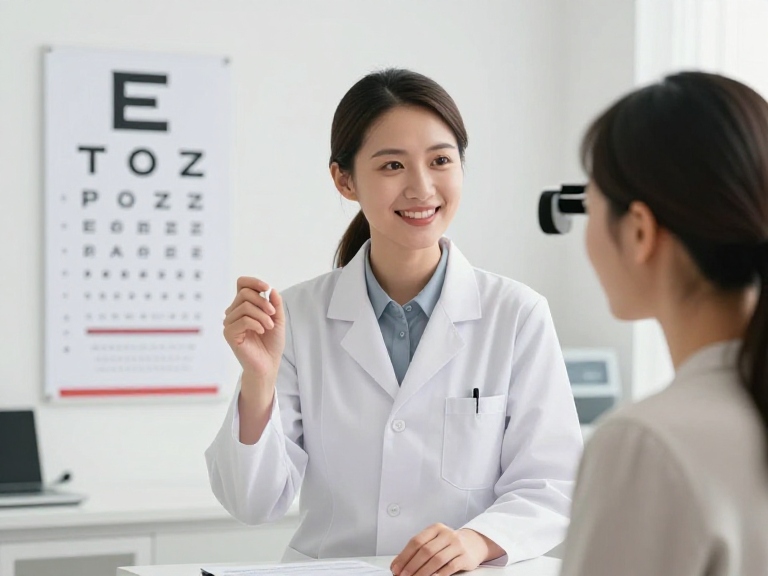
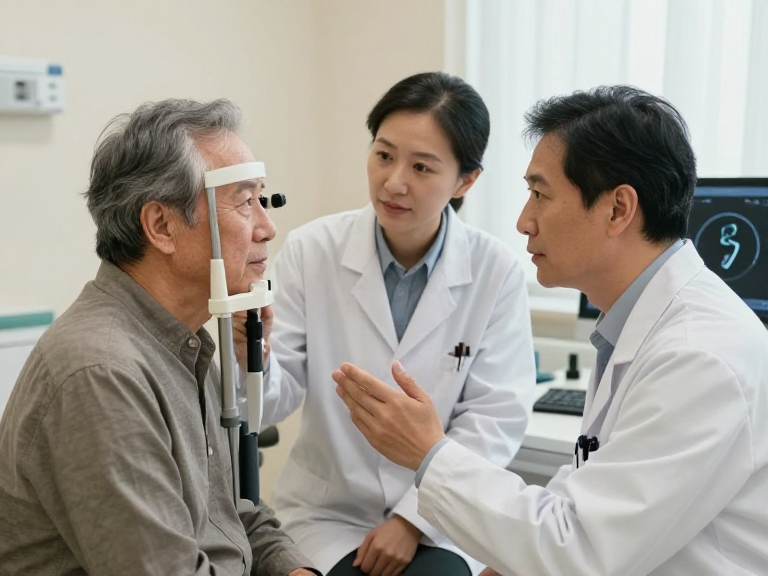
An eye examination can help assess vision and eye health, with the specific tests depending on your age, symptoms, medical history and risk factors. A dilated eye examination allows an eye care professional to examine the retina and optic nerve more thoroughly.
People living with diabetes may need regular dilated eye examinations even when their vision seems normal. People with other medical conditions, a family history of eye disease or new symptoms may also need a particular examination schedule.
Follow the examination schedule advised by your eye care professional. Sudden vision loss, a sudden increase in floaters, flashes of light, a curtain-like shadow, severe eye pain or a sudden change in vision can require urgent medical assessment.
If you are uncertain about how often you should have your eyes examined, ask an optometrist or ophthalmologist to recommend a schedule based on your personal circumstances.
Regular examinations can help identify changes that may not yet affect your vision. Follow the schedule recommended by your eye care professional, particularly if you have diabetes or other risk factors.
Read the National Eye Institute's guidance on dilated eye exams.
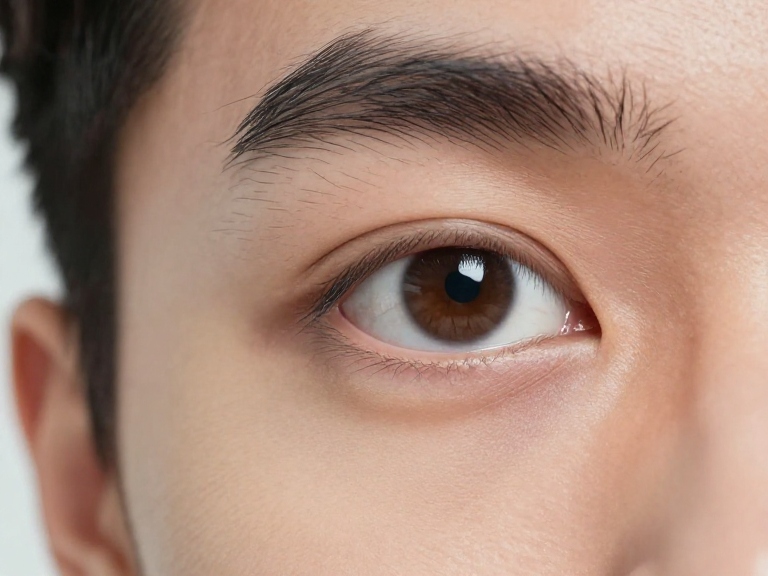
The relationship between general health and eye health illustrates why it is useful to consider the body as an interconnected system. Metabolic conditions can affect retinal blood vessels, inflammatory disorders can involve ocular tissues, and nutrition provides essential components for normal biological function.
Meanwhile, research into the gut microbiome is expanding scientific understanding of how the digestive system may communicate with other parts of the body. Although the gut–eye connection is a promising area of investigation, many proposed mechanisms and applications still require stronger evidence in humans.
A practical approach does not require chasing every new theory. Focus on the fundamentals: a varied diet, regular movement, adequate sleep, management of existing health conditions, and appropriate medical and eye care.
Whole-body wellbeing and professional eye care are complementary. One supports the broader conditions for health; the other helps assess the eyes directly and identify problems that may need specific treatment.
The following resources provide additional information about eye examinations, diabetic eye disease and scientific research into the microbiome and eye health.
The eyes do not function separately from the rest of the body. Metabolism, circulation, nutrition and immune activity all help shape the conditions in which vision is maintained.
Understanding these connections can encourage a thoughtful approach to everyday wellbeing. Healthy routines matter, but they work best alongside appropriate medical care and regular eye examinations.
The goal is not to find one habit or supplement that does everything. It is to support the body as a whole while giving the eyes the specific attention and professional care they need.
Medical disclaimer: This article is provided for general educational and informational purposes only. It is not medical advice and does not diagnose, prevent or treat any disease. Scientific evidence, especially in emerging areas such as the gut–eye connection, continues to evolve. Individual needs differ. Consult a qualified healthcare professional or eye care specialist about symptoms, examinations, medical conditions, treatments and supplements. Never delay urgent care or discontinue prescribed treatment based on information in this article.
Explore more educational guides about digestion, nutrition, immune regulation and the connections researchers are investigating between the gut and eyes.
Explore the relationship between digestive health, nutrition and emerging research into eye wellbeing.
Read the Guide
Learn about the immune system's role in maintaining balance and responding to challenges.
Read the Guide
Discover why nutrient intake, absorption and the body's individual needs all matter in nutrition.
Read the Guide