
Gut & Eye Health
Explore the possible relationships between digestion, the gut microbiome and eye health.
Read the Guide
Your health is connected. So are your gut and eyes. You do not need to chase every new wellness trend to support your overall health. Consistent habits remain a practical starting point for looking after the body as a whole.
Explore the ScienceWellness advice can sometimes make good health sound complicated. One week, a new supplement is presented as essential; the next, a strict eating plan or elaborate morning routine is described as the answer to feeling better. With so many competing messages, it can be difficult to know where to begin.
A more useful starting point is to look at the bigger picture. Health develops through a combination of factors, including food, movement, sleep, stress, environment, access to healthcare and individual medical needs. No single product or routine can replace all of these influences.
The body's systems are closely connected. Digestion makes nutrients available, circulation transports oxygen and nutrients, and immune processes help the body respond to threats. The eyes depend on this broader network while also having specific needs of their own.
This is the central idea behind the gut–eye connection: the digestive system and eyes are different organs, but they exist within the same body. Researchers are studying how nutrition, immune signalling and gut microorganisms may relate to eye health. The science is still developing, so the most sensible everyday approach is to build supportive habits without expecting one change to solve everything.
Sustainable habits tend to be easier to maintain than dramatic, short-lived changes. Eating a variety of foods most days, taking regular walks, keeping a reasonably steady sleep schedule and attending health appointments may seem ordinary. Yet these practices can support important aspects of physical and mental wellbeing over time.
By contrast, constantly switching routines can make it harder to work out what is practical for you. Restrictive plans may also be difficult to maintain, while unneeded supplements can cost money and sometimes interact with medicines. A trend being popular does not automatically mean it is effective, appropriate or supported by strong evidence.
A helpful principle is to start with the basics you can repeat comfortably. Add changes gradually, and be cautious about claims that promise a quick fix or suggest that everyone needs the same routine.
This does not mean that every new treatment or scientific development should be dismissed. Evidence-based medical care can be valuable, and specific diets or supplements may be recommended for particular conditions or deficiencies. The key is to distinguish personalised, professional advice from broad marketing claims.
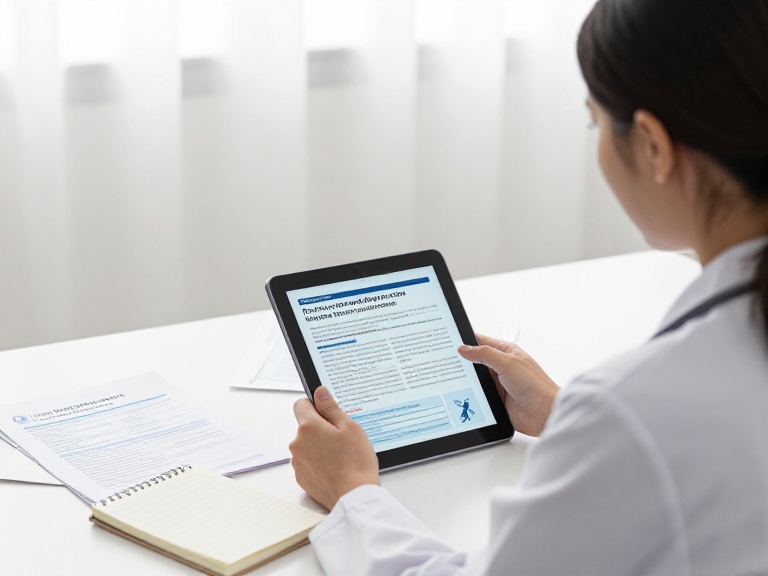
Food supplies energy and the nutrients needed for normal bodily functions. Rather than focusing on a single so-called superfood, aim for variety across meals and over the week. Vegetables, fruit, whole grains, beans, lentils, nuts, seeds and suitable protein sources can all contribute to a balanced diet. The best pattern depends on individual needs, culture, budget, availability and any medical advice you have received.
Dietary fibre, found in foods such as whole grains, legumes, vegetables and fruit, supports normal digestive function. Some fibres are also used by gut microorganisms. A varied diet provides a range of nutrients and food components, rather than relying on one ingredient to do everything.

Eating well does not require perfection. Frozen vegetables, canned beans, oats and other convenient foods can make balanced meals more accessible. If you are changing your diet, practical substitutions are often more manageable than trying to overhaul everything at once.
Nutrients also matter for eye function. Vitamin A is important for normal vision, while other vitamins, minerals and fats support a range of body processes. However, taking extra nutrients beyond your needs does not necessarily improve vision. High doses of some supplements can be harmful, and some eye-related supplement formulas are intended only for particular groups following professional guidance.
Digestive health involves more than the presence or absence of stomach discomfort. The digestive tract breaks down food, absorbs nutrients and works alongside immune and other biological processes. The gut microbiome adds another layer to this system: its microorganisms interact with food and produce compounds that researchers are continuing to study.
There is growing scientific interest in how gut microbes may relate to inflammation and conditions affecting organs elsewhere in the body, including the eyes. This area is often described as the gut–eye axis. Some findings are promising, but the evidence varies by condition and research method. A proposed connection does not prove that a gut problem is responsible for a person's eye symptoms.
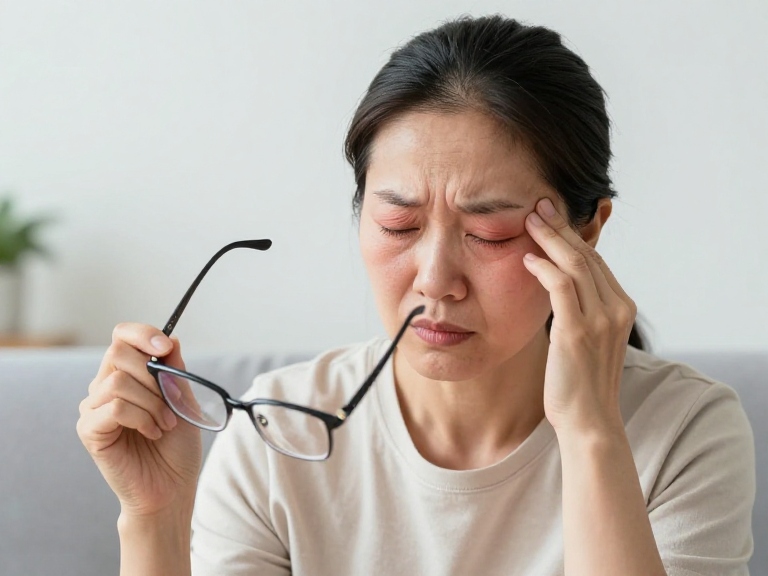
For everyday digestive support, start with regular meals that suit your needs, enough fluid, and a gradual increase in fibre if your current intake is low and you tolerate it. Movement and a routine that allows time for meals can also help some people. If you have a digestive condition, your clinician may recommend a more individual approach.
You do not automatically need probiotics, microbiome tests, cleanses or restrictive elimination diets. These approaches have different uses and levels of evidence. If symptoms persist, worsen or affect your daily life, seek medical advice rather than assuming that a wellness product will address the cause.
Physical activity supports cardiovascular fitness, metabolic health, strength, mobility and mental wellbeing. It does not have to mean an intense gym session or a complicated training plan. Walking, cycling, dancing, gardening, active travel and other activities all count.
Choose a form of movement that fits your circumstances and that you can return to regularly. If you spend much of the day sitting, short movement breaks can be a realistic first step. Over time, you can build towards activity recommendations appropriate for your age and health.

Movement is one part of the bigger picture, not a punishment for eating or a way to compensate for rest. Adapt activity to your abilities and medical needs. If you have concerns about starting exercise, particularly with an existing health condition, ask a healthcare professional for individual advice.
Sleep provides time for rest and recovery and supports attention, mood and normal daily functioning. Needs differ from person to person, but a regular sleep and wake schedule can help establish a predictable routine. A quieter wind-down period and a comfortable sleeping environment may also be useful.
Stress is another ordinary part of life. Short periods of stress are not automatically harmful, but ongoing stress can affect sleep, concentration, eating patterns and general wellbeing. Simple strategies—such as spending time outdoors, maintaining social connections, practising relaxation or breaking demanding tasks into manageable steps—may help some people.
There is no universal routine that works for everyone. If sleep problems, anxiety, low mood or stress persist and interfere with daily life, professional support may be appropriate. These concerns deserve attention in their own right rather than being treated as problems that can always be solved with a supplement or lifestyle trend.
Whole-body habits can complement eye care, but they do not replace it. Some eye conditions develop gradually and may cause few noticeable symptoms at first. Regular examinations can help an eye-care professional assess your vision and look for signs of problems that may need follow-up.
The appropriate schedule depends on factors such as age, medical history, family history and existing eye conditions. People with diabetes may need regular retinal screening, even when their vision seems normal. Tell your eye-care professional about relevant diagnoses and medicines, and follow the monitoring plan recommended for you.
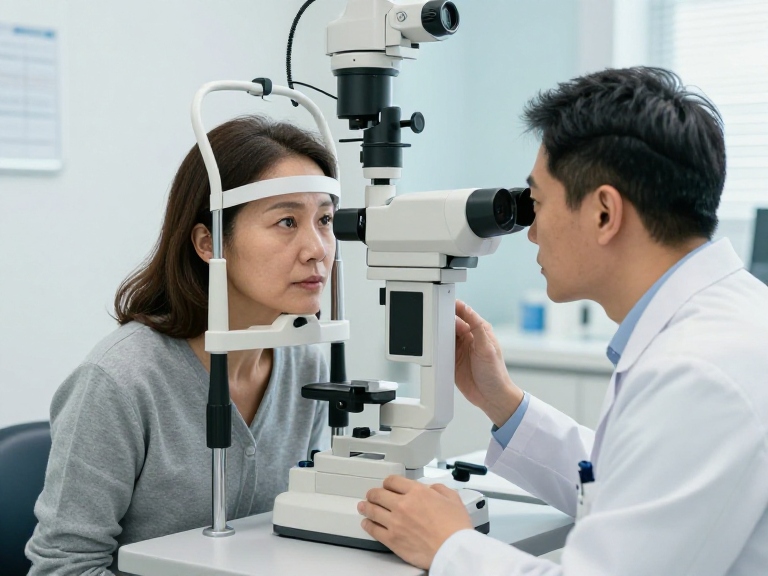
Avoid smoking, use suitable ultraviolet-protective sunglasses outdoors, and follow contact lens hygiene instructions if you wear lenses. Take breaks when prolonged screen use makes your eyes feel uncomfortable; blinking regularly and looking away from the screen may help with digital eye strain.
Sudden vision loss, a sudden increase in floaters, flashes of light, a dark curtain over your vision, significant eye pain or sudden double vision require prompt medical assessment. Do not wait for lifestyle changes or supplements to improve symptoms that could indicate an urgent problem.
If you want to improve your routine, you do not need to change every part of your life at once. Choose one or two practical actions and make them easier to repeat. For example, you might add a vegetable to one meal, take a short walk most days, keep a regular bedtime or book an overdue eye examination.
Build meals around foods you enjoy and can access, with a mix of food groups.
Choose manageable movement that fits your schedule and physical abilities.
Try a consistent sleep routine and seek help if ongoing problems affect daily life.
Attend recommended check-ups and follow personalised advice for existing conditions.
Progress is rarely a straight line. Busy weeks, illness, changes in circumstances and competing responsibilities can interrupt routines. Returning to a helpful habit when you can is more realistic than expecting perfect consistency.
Good health does not require following every new trend. A balanced approach gives attention to the basics: varied nutrition, regular movement, adequate rest, digestive wellbeing, appropriate medical care and eye examinations when recommended.
The relationship between the gut and eyes is an active area of research, and it offers an interesting way to understand how connected the body can be. But there is no need to turn that connection into a long list of rules or products. Focus on established health practices, stay curious about new evidence and be cautious with claims that promise more than research can support.
Small, sustainable actions can form a useful foundation. Start where you are, make changes that fit your life, and seek professional advice when you need help deciding what is right for you.
Health information notice: This article is for general educational purposes and is not a substitute for individual medical advice, diagnosis or treatment. Ask a qualified healthcare professional about your own health needs and symptoms.
The following resources provide additional information about healthy eating, physical activity, eye care and the emerging science of nutrition and eye health.
Guidance on varied eating patterns and the role of nutrition in health.
Information about the benefits of movement and physical activity.
Practical information about protecting vision and maintaining eye health.
An overview of dilated eye examinations and why they matter.
Research examining relationships between the microbiome, nutrition and eye health.
Explore more educational guides about digestion, nutrition, immune regulation and the connections researchers are investigating between the gut and eyes.
Explore the possible relationships between digestion, the gut microbiome and eye health.
Read the Guide
Discover why researchers are investigating relationships between gut microbes, immune activity and eye health.
Read the Guide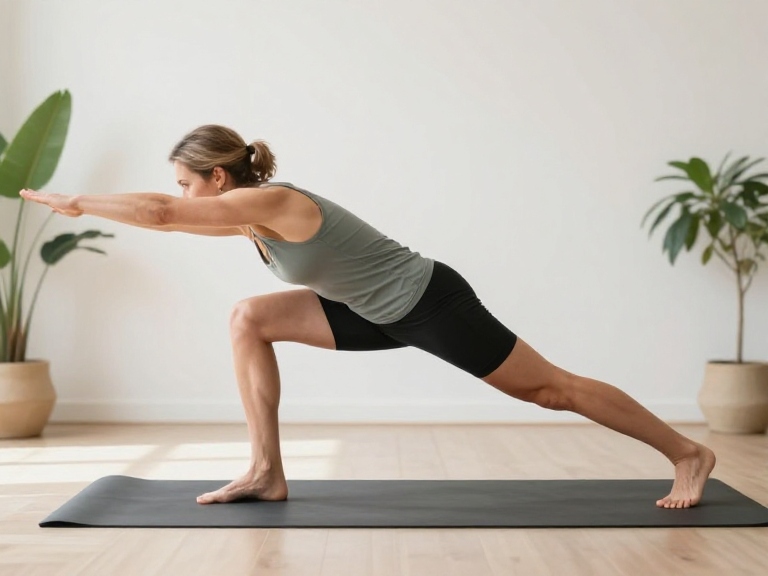
Explore how digestion and absorption make nutrients available to tissues throughout the body.
Read the Guide