Understanding metabolic health

Blood Sugar, Metabolism & Your Well-Being

Your body relies on glucose for energy. Learn how blood sugar regulation works, explore commonly discussed nutrients and botanicals, and discover everyday habits that can support long-term metabolic health.

Explore the science
A colorful selection of fresh vegetables and nourishing foods

Image placeholder — replace with your preferred licensed photo.

A balanced meal with vegetables and fresh ingredients
The basics

How does your body use sugar?

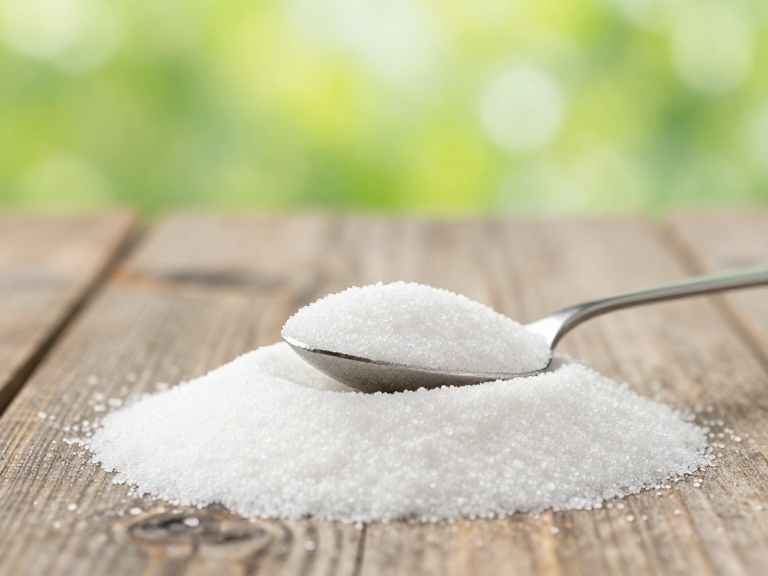
When you eat foods containing carbohydrates, your digestive system breaks many of them down into glucose. This sugar enters the bloodstream and provides energy for your body's cells.

Insulin, a hormone produced by the pancreas, helps glucose move from the bloodstream into cells. When this process becomes less effective, blood glucose can remain elevated. Over time, persistently high blood sugar may affect health.

Healthy metabolic function depends on many factors, including genetics, sleep, physical activity, diet, medications and overall health.

One important distinction

Sugar is not automatically converted into body fat. The body's response depends on energy needs, hormones, total dietary intake and many other factors.

Nutrition & ingredients

Six ingredients worth understanding

These ingredients appear in discussions of metabolic health and dietary supplements. Their evidence, uses and limitations are different, and none should be assumed to produce weight loss or lower blood sugar.

A warm cup of tea

Sukre

Sukre is described in the supplied material as a prebiotic sugar. Before drawing conclusions about its effects on glucose metabolism or fat storage, check the exact compound, published human studies, dose and safety information.

Verify the evidence
Tea leaves and a prepared cup of tea

TeaCrine

TeaCrine is a branded form of the compound theacrine, used in some energy and performance supplements. Research on its effects is limited; it should not be treated as a proven fat-burning or blood-sugar treatment.

Limited evidence
Green leaves growing in natural light

Gymnema

Gymnema sylvestre is a plant used in traditional practices and studied for possible effects on glucose regulation. Evidence in humans remains limited, and it may interact with medicines that lower blood sugar.

Research ongoing
Natural spices and ingredients

Chromium

Chromium is an essential trace mineral involved in normal nutrient metabolism. Supplement research for blood glucose control has produced mixed results, and supplementation is not appropriate for everyone.

Mixed evidence
Cinnamon and natural food ingredients

Ceylon Cinnamon

Cinnamon has been studied for potential effects on glucose regulation, but results are not conclusive. Ceylon cinnamon generally contains less coumarin than cassia cinnamon, which is relevant when considering frequent high intake.

Evidence is uncertain
A freshly brewed cup of green tea

Green Tea

Green tea contains polyphenols, including catechins. It can be part of a balanced diet, but evidence that green tea products cause substantial weight loss or reliably lower blood sugar is limited.

Food first
Everyday actions

Small habits can make a meaningful difference

Rather than relying on a single ingredient or quick fix, focus on sustainable routines that support overall health.

Build balanced meals

Include vegetables, fiber-rich foods, protein and sources of healthy fats. Choose high-fiber carbohydrates more often and limit sugary drinks.

Move throughout the day

Regular physical activity supports health and helps muscles use glucose. Walking after meals may be a practical place to start.

Prioritize sleep

Consistent, sufficient sleep supports energy, appetite regulation and general metabolic health. A regular sleep schedule can help.

Know what the numbers mean

Real progress is about more than the scale

Body weight is only one measure of health. Depending on your circumstances, a healthcare professional may also consider blood pressure, blood glucose, HbA1c, cholesterol, symptoms and other relevant factors.

HbA1c estimates average blood glucose over roughly the previous two to three months. It is useful for assessing glucose regulation, but changes should be interpreted in context by a qualified professional.

Be cautious with products promising rapid fat loss, dramatic laboratory improvements or guaranteed results. A supplement's ingredient list alone does not prove that the finished product delivers those effects.

Healthcare professional discussing health information

A note about supplements and blood sugar

Supplements can have side effects and may interact with prescription medicines. Ingredients marketed for glucose support can be particularly important to discuss if you take diabetes medication or have a condition affecting blood sugar. Do not stop or change prescribed treatment without professional guidance. If you are concerned about your blood glucose, speak with a healthcare professional.

A thoughtful approach to health

Understand your body. Make informed choices.

Sustainable health starts with reliable information, everyday habits and advice that fits your individual needs. Look beyond bold claims and focus on what the evidence supports.

Explore Mad April