
Sleep and Recovery
Worry and mental tension can make it harder to relax at bedtime or stay asleep. Poor sleep may then affect mood, energy and the ability to manage daily responsibilities.

Ongoing stress can affect sleep, appetite and daily habits. Make time for relaxing activities, take regular breaks and find healthy ways to manage everyday pressures.
Explore Stress ManagementStress is a normal response to situations that require attention, adjustment or action. Everyday responsibilities, work demands, family concerns and unexpected changes can all create pressure.
Short periods of stress are part of life. However, when pressure continues for a long time, it can become harder to rest, maintain regular routines and make time for activities that support well-being.
Stress can influence several aspects of everyday life, including sleep, appetite, mood and motivation. For people living with diabetes, stress may also affect blood glucose levels and make daily diabetes management feel more challenging.
Managing stress does not mean removing every source of pressure. It means recognising when you need a pause and finding practical ways to support your physical and emotional well-being.
The body's stress response involves physical and emotional changes. When stressful situations continue, their effects may extend into everyday routines and health behaviours.
Worry and mental tension can make it harder to relax at bedtime or stay asleep. Poor sleep may then affect mood, energy and the ability to manage daily responsibilities.

Stress can influence appetite in different ways. Some people feel less hungry, while others may experience stronger cravings or find themselves eating in response to emotions.

When responsibilities feel overwhelming, it may become harder to find time for movement, meal preparation, relaxation or other supportive habits.
When the body experiences stress, it releases hormones that help prepare it to respond to a challenge. These changes can influence how the body uses and regulates energy.
Stress hormones can affect blood glucose. In people with diabetes, emotional or physical stress may contribute to higher blood glucose levels, although individual responses can vary.
Stress can also make diabetes management more demanding. When someone feels overwhelmed, regular meals, physical activity, glucose monitoring or medication routines may become harder to maintain.
It is important to remember that blood glucose is influenced by many factors, including food, activity, sleep, illness, medicines and individual physiology. Stress is one possible influence, not the only explanation for a change in glucose levels.
Managing everyday pressures can be a useful part of a broader approach to well-being, but relaxation techniques should not replace prescribed diabetes treatment or professional medical advice.

Relaxation does not have to involve a complicated routine or a large amount of free time. Even a few quiet minutes can provide an opportunity to step away from daily demands.
You might sit somewhere comfortable, listen to music, enjoy a warm drink, spend time outdoors or read a few pages of a book.
The most useful activity is often one that feels enjoyable and realistic for you. A short pause can help create a little distance from immediate pressures and make the rest of the day feel more manageable.
Try treating relaxation as a regular part of your routine rather than something you only do when you have completed every task.
Different approaches work for different people. Experiment with simple activities and notice which ones help you feel calmer and more balanced.
Take a comfortable position and breathe slowly without forcing your breath. A few minutes of calm, steady breathing can be a useful way to pause during a busy day.
Take a gentle walk, sit in a garden or spend a few minutes noticing your surroundings. Time in a natural setting may help some people feel more relaxed.
Choose music that helps you unwind. A favourite playlist can create a pleasant break between work, household tasks or other responsibilities.
Reading, gardening, drawing, cooking or another enjoyable activity can give your attention a welcome change from everyday pressures.
Stretching, yoga or an easy walk may help release physical tension and support mood. Choose activities that suit your fitness and health needs.
Talking with a trusted friend or family member can help you feel supported. You do not have to manage every difficult situation alone.
Long periods of continuous work or responsibility can leave little room to recover mentally. Short breaks can help interrupt that pattern and create opportunities to reset.
If you spend much of the day sitting, stand up, stretch or walk around when possible. If your work involves constant interaction with other people, a few quiet minutes may be more helpful.
You can also use natural pauses in your schedule. Take a short break after finishing a task, step away from your screen during lunch or spend a few minutes outside between responsibilities.
Breaks do not need to follow a strict timetable. The aim is to notice when you need a moment away from ongoing demands and make space for it where possible.
Stress and sleep can influence one another. Worry may make it harder to fall asleep, while insufficient rest can make everyday pressures feel more difficult to manage.
Try to go to bed and wake up at reasonably consistent times. A predictable routine can help make it easier to prepare for sleep.

Allow time to slow down before bed. Reading, gentle stretching or quiet music may help you move away from the day's demands.

A dark, quiet and comfortable sleeping environment may support better rest. Reduce distractions where possible.
When stress builds up, it is natural to look for quick ways to feel better. However, some responses may create additional difficulties over time.
For example, regularly skipping meals, relying on alcohol, smoking, withdrawing from supportive relationships or spending long periods avoiding responsibilities may not address the source of stress.
Instead, consider actions that support your health while helping you respond to the situation. This might mean preparing a simple meal, taking a walk, talking with someone you trust or breaking a demanding task into smaller steps.
If a situation cannot be changed immediately, focus on what is within your control. Setting reasonable limits, asking for help and allowing time to rest can all be useful parts of coping.

A long list of responsibilities can make it difficult to know where to begin. A simple plan may help you focus on the most important tasks and reduce unnecessary pressure.
Start by identifying what genuinely needs attention today. Divide larger tasks into smaller steps and allow realistic time for breaks, meals and rest.
It can also help to set boundaries around work and personal time. Where possible, avoid filling every available moment with another responsibility.
A useful routine should leave room for ordinary life, including unexpected changes. Planning is meant to support you, not become another source of stress.
Stress can affect appetite and eating patterns in different ways. Some people eat less when they feel worried, while others may reach for food more often or find it difficult to recognise hunger and fullness cues.
Emotional eating is not a personal failure. Food can be connected with comfort, routine and social experiences. Becoming aware of patterns without judging yourself can be a helpful first step.
Try to maintain regular, balanced meals where possible. Having convenient foods available may make it easier to eat when your schedule becomes demanding.
If you notice that stress regularly affects your relationship with food, consider speaking with a registered dietitian, healthcare professional or mental health specialist. Support can help you explore practical strategies without relying on restrictive rules.
You do not need to follow a complicated stress-management plan. Consider adding a few simple moments to your existing routine.
Give yourself a few minutes to wake up, breathe calmly and prepare for the day. Avoid taking on every task at once.
Step away from your screen, stretch or take a short walk. Brief pauses can create space to reset your attention.
Where possible, take a proper break for meals rather than eating while rushing through other responsibilities.
Take a walk, enjoy a hobby or spend time with someone you care about to create a transition away from work.
Reduce demanding activities before bed and choose something calming that helps you prepare for sleep.
Reach out to a trusted person or professional when pressure becomes difficult to manage on your own.
Everyone experiences stressful periods, but persistent stress that interferes with sleep, relationships, work or everyday activities deserves attention.
Consider speaking with a healthcare professional or qualified mental health specialist if you regularly feel overwhelmed, anxious, low in mood or unable to recover from daily pressures.
Professional support can help you identify sources of stress, develop coping strategies and explore whether other factors may be affecting your well-being.
If you live with diabetes and find that stress is making glucose management or your usual care routine difficult, speak with your diabetes healthcare team. They can help you review your treatment plan and identify suitable support.
If you feel unable to keep yourself safe or are experiencing a mental health crisis, seek urgent help through local emergency or crisis services.
Small, supportive actions can help make everyday pressures more manageable and protect the routines that contribute to overall well-being.
Include enjoyable activities that help you slow down, even when your schedule is busy.
Give yourself opportunities to pause, move around and step away from ongoing demands.
Maintain a calming evening routine and allow enough time for rest and recovery.
Talk with people you trust and ask for support when everyday pressures become difficult.
Choose manageable actions that fit your lifestyle rather than adding more pressure with demanding goals.
Professional guidance can help when stress affects your health, mood or ability to manage everyday life.
Stress is a normal part of life, but you do not have to ignore its effects. Make time to relax, take regular breaks and build supportive routines that fit your needs. Small moments of care can become meaningful parts of your overall well-being.
Explore Blood Sugar & MetabolismThe information in this article is provided for general educational and informational purposes only. It is not intended to replace professional medical advice, diagnosis or treatment.
Stress and its effects vary from person to person. Relaxation activities and lifestyle changes may support general well-being, but they are not a substitute for appropriate medical or mental health care.
If you have diabetes or another medical condition, consult your healthcare professional before making changes to your treatment, medication or health-management routine. Never stop or adjust prescribed medication without professional guidance.
Explore related topics to learn more about everyday habits, glucose regulation and the factors that contribute to metabolic well-being.
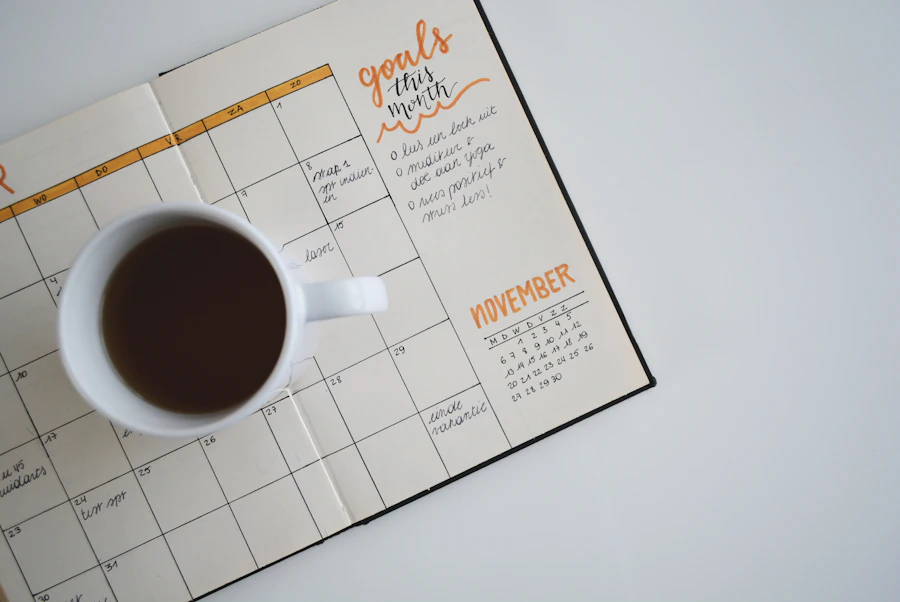
Discover why realistic routines and small, sustainable changes can be more useful than short-lived approaches.
Read article →
Explore why sufficient rest and regular sleep habits are important parts of overall metabolic health.
Read article →
Learn how regular physical activity and simple movement breaks can support overall health.
Read article →
Discover how vegetables, fibre-rich foods, protein and healthy fats can contribute to balanced everyday eating.
Read article →
Understand the many processes involved in metabolism and how the body uses nutrients for energy.
Read article →
Learn how glucose enters the bloodstream and how insulin helps the body use and store energy.
Read article →Explore these resources for additional information about stress, relaxation techniques and emotional well-being.
Guidance on taking care of mental health, managing stress and supporting everyday health when living with diabetes.
Visit NIDDK →An overview of stress and relaxation approaches, including breathing exercises, meditation and other mind-body practices.
Explore NCCIH →Practical suggestions for coping with everyday pressures, protecting sleep, staying active and seeking support.
Visit APA →Advice for recognising the emotional challenges of diabetes and finding practical ways to manage stress.
Visit CDC →