BLOOD SUGAR & METABOLIC HEALTH

Build Balanced Meals

Simple ways to combine vegetables, fiber-rich foods, protein and healthy fats to support everyday nutrition and metabolic well-being.

Explore the Guide

Why Balanced Meals Make a Difference

Food provides the energy and nutrients your body needs to function. The combination of foods in a meal can influence digestion, fullness, nutrient intake and how blood glucose changes after eating.

A balanced meal brings together different food groups rather than relying on one type of food. Vegetables, fiber-rich carbohydrates, protein and sources of healthy fats each contribute something important to an overall eating pattern.

Building balanced meals does not require complicated recipes, strict food rules or eliminating entire food groups. It is about making practical choices that provide variety and nourishment while fitting your preferences, culture, budget and daily routine.

Over time, these everyday choices can become part of a sustainable approach to supporting metabolic health and general well-being.

Four Elements of a Balanced Meal

Different foods provide different nutrients. Combining them can help create satisfying meals with a broader range of nutritional benefits.

Fresh vegetables and leafy greens in a bowl

Fill Your Plate with Variety

Vegetables provide fiber, vitamins, minerals and a wide range of plant compounds. Non-starchy choices such as leafy greens, broccoli, peppers, tomatoes, cauliflower and courgettes are useful additions to everyday meals.

Oats and whole grains served for breakfast

Choose Fiber-Rich Foods

Beans, lentils, oats, whole grains, vegetables, fruit, nuts and seeds provide dietary fiber. Choosing these foods more often can support digestive health, fullness and a balanced eating pattern.

A nourishing meal with vegetables and protein

Include a Protein Source

Protein supports the maintenance and repair of body tissues. Eggs, fish, poultry, tofu, beans, lentils, unsweetened dairy products, nuts and seeds can all contribute to daily protein intake.

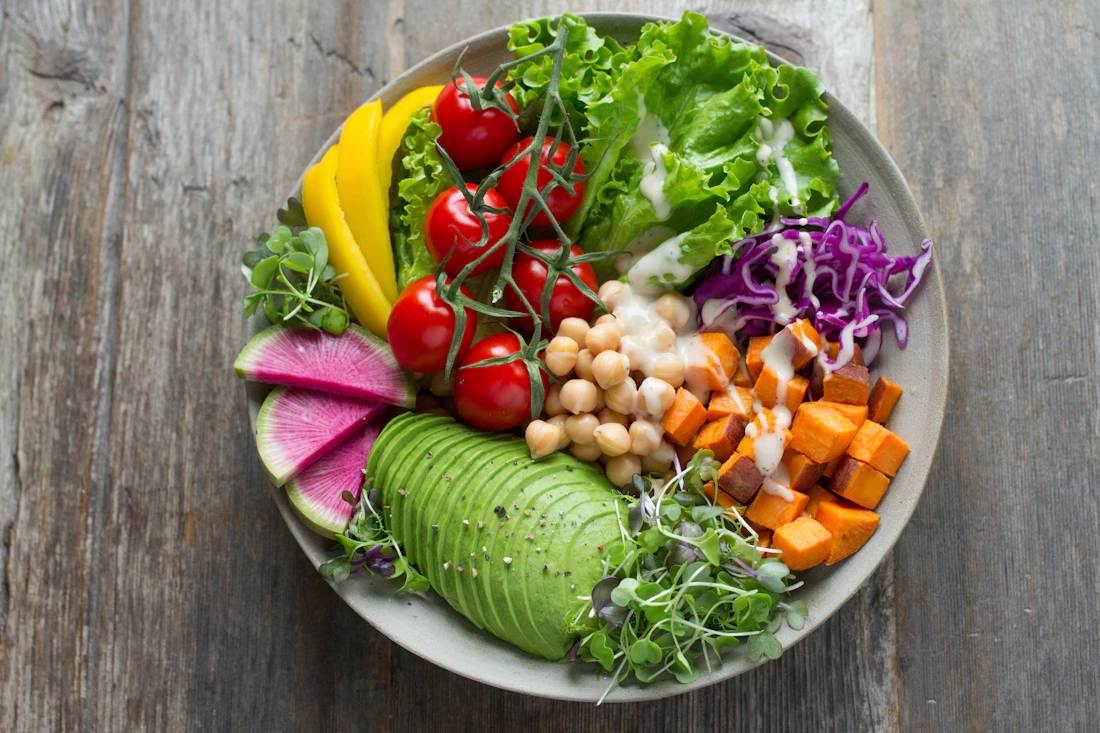
Colorful balanced meal with vegetables and healthy ingredients

Make Room for Unsaturated Fats

Dietary fats are an important part of nutrition. Unsaturated fats can be found in foods such as olive oil, avocados, nuts, seeds and oily fish.

These foods provide essential fatty acids and help the body absorb fat-soluble vitamins. They also add flavor and satisfaction to meals.

The goal is not to remove fat from your diet, but to choose sources thoughtfully and include portions that suit your individual nutritional needs.

Try the Balanced Plate Method

When planning a main meal, a simple plate guide can make food choices easier without requiring detailed calculations. A commonly used approach divides a plate into three sections.

A balanced selection of vegetables, grains and protein foods

Non-Starchy Vegetables

Fill about half the plate with vegetables such as spinach, broccoli, cabbage, peppers, cucumber, tomatoes, green beans or cauliflower.

Protein Foods

Use about one quarter for foods such as fish, chicken, eggs, tofu, beans or other suitable protein sources.

Carbohydrate Foods

Use the remaining quarter for foods such as oats, brown rice, whole-grain bread, quinoa, potatoes, beans or other carbohydrate sources.

You can add a moderate portion of healthy fat, for example olive oil, avocado, nuts or seeds. Water or another unsweetened drink can complete the meal.

This is a flexible visual guide, not a strict prescription. Plate size, appetite, activity, health conditions, medication and personal nutritional needs can all affect appropriate portions. Some foods, including beans and lentils, provide both carbohydrates and protein.

Make High-Fiber Choices More Often

Fiber is a type of carbohydrate that the body does not fully digest. It is found naturally in many plant foods and contributes to digestive and overall health.

Beans and vegetables in a nourishing meal

Beans and Lentils

Lentils, chickpeas, kidney beans and other legumes provide fiber and plant-based protein. Add them to soups, salads, stews or grain bowls.

Whole grains and oats

Whole Grains

Oats, barley, quinoa, bulgur and whole-grain bread can provide more fiber than many refined alternatives. Check ingredient lists when choosing packaged grain products.

Fresh fruit with a variety of colors

Whole Fruits

Apples, pears, berries, oranges and other whole fruits provide fiber along with vitamins and beneficial plant compounds. Whole fruit is generally a more fiber-rich choice than juice.

Choose Carbohydrates Thoughtfully

Carbohydrates are an important source of energy. During digestion, many carbohydrate-containing foods are broken down into glucose, which enters the bloodstream and can be used by the body's cells.

Different carbohydrate foods can affect blood glucose in different ways. The amount eaten, the food's structure, its fiber content and what else is included in the meal all matter.

Instead of avoiding carbohydrates altogether, consider choosing fiber-rich options more often. Examples include:

  • Oats, barley and other whole grains.
  • Beans, peas, chickpeas and lentils.
  • Whole fruits rather than fruit juice.
  • Vegetables, including starchy vegetables in suitable portions.
  • Whole-grain bread and pasta where practical.

Pairing carbohydrate foods with protein, fiber and healthy fats can influence how quickly a meal is digested and how glucose enters the bloodstream. Individual responses vary, so there is no single carbohydrate choice or meal combination that works identically for everyone.

Whole grains and other fiber-rich foods can be useful choices, but portion size and the overall composition of a meal remain important.

Fresh water served in a clear glass

Make Water Your Everyday Drink

Sugary drinks can add substantial amounts of added sugar without providing the same fiber and fullness as whole foods. Regular soft drinks, sweetened teas, energy drinks, fruit-flavored beverages and sweetened coffees are common examples.

Choosing water more often is a simple way to reduce added sugar intake. Unsweetened tea, sparkling water and other drinks without added sugar can also provide variety.

If plain water feels unappealing, try adding lemon, lime, cucumber or fresh berries for flavor. Small changes in everyday drink choices can be easier to maintain than a complete dietary overhaul.

Small Ways to Build Better Meals

Balanced eating does not have to be complicated. A few simple habits can make nutritious choices more convenient throughout the week.

Plan Around Vegetables

Choose one or two vegetables before deciding on the rest of your meal. Fresh, frozen and suitable canned vegetables can all be useful options.

Prepare Fiber-Rich Staples

Keep oats, lentils, beans, whole grains, fruit and vegetables available. Preparing some ingredients in advance can make balanced meals easier on busy days.

Include Protein Regularly

Add eggs, fish, poultry, tofu, beans, lentils, yogurt or another suitable protein source to meals to improve variety and nutritional balance.

Use Healthy Fats in Moderation

Add olive oil, nuts, seeds or avocado for flavor and essential nutrients. Remember that portion sizes still matter.

Read Food Labels

Check serving sizes, fiber and added sugar information. Comparing similar products can help you make informed everyday choices.

Keep Your Routine Flexible

You do not need perfect meals every day. Focus on your overall eating pattern and choose practical improvements that you can maintain.

What Could a Balanced Day Look Like?

These examples show how different food groups can come together. They are ideas rather than fixed meal plans or individual dietary recommendations.

Healthy breakfast ingredients with fruit and grains

Oats with Fruit and Seeds

Try oats with plain yogurt or an unsweetened alternative, berries, nuts or seeds. This combination brings together fiber, protein and healthy fats.

Colorful lunch bowl with vegetables and grains

A Colorful Grain Bowl

Combine leafy greens and other vegetables with quinoa or brown rice, chickpeas or grilled chicken, and a little olive oil-based dressing.

Fish served with vegetables for dinner

Fish with Vegetables and Grains

Serve fish or tofu with roasted vegetables and a portion of potatoes, barley or another whole-grain option. Add herbs and spices for flavor.

Balanced Eating Is Not One-Size-Fits-All

A balanced meal can look different from one person to another. Food preferences, cultural traditions, budget, activity levels, age and health needs all influence what is appropriate.

People living with diabetes may need to consider carbohydrate portions, medication timing and individual blood glucose responses when planning meals. Some medicines, including insulin and certain glucose-lowering medications, can increase the risk of low blood glucose if meals are delayed or carbohydrate intake changes significantly.

Anyone managing diabetes, kidney disease, food allergies or another medical condition should seek advice from a qualified healthcare professional or registered dietitian before making major dietary changes.

The most useful approach is one that provides adequate nutrition, supports your health needs and feels realistic enough to maintain over time.

Key Takeaways

Building balanced meals is a practical habit that can support a nutritious eating pattern and overall well-being.

Include Variety

Combine vegetables, fiber-rich carbohydrates, protein and sources of healthy fats.

Choose More Fiber

Include beans, lentils, whole grains, vegetables, whole fruits, nuts and seeds regularly.

Be Mindful of Drinks

Choose water and unsweetened drinks more often instead of sugar-sweetened beverages.

Keep It Sustainable

Focus on realistic improvements rather than strict rules or short-term changes.

Make Every Meal an Opportunity for Balance

Supporting metabolic health does not depend on one perfect meal or a single ingredient. A varied eating pattern, thoughtful food choices and consistent daily habits can contribute to overall health.

Explore Blood Sugar & Metabolism

Health Disclaimer

This article is provided for general educational and informational purposes only. It is not intended to replace professional medical advice, diagnosis or treatment.

Nutritional needs and blood glucose responses vary between individuals. If you have diabetes, take medication that affects blood glucose, or have specific dietary requirements, consult a qualified healthcare professional or registered dietitian before making significant changes to your eating habits.

Never change prescribed medication or treatment based solely on information in this article.

More on Blood Sugar & Metabolic Health

Explore related topics to understand how glucose, insulin, nutrition and everyday habits are connected.

How Does Your Body Use Blood Sugar?

Discover how glucose provides energy and how the body helps regulate blood sugar levels.

Read article →

Glucose and Energy

Learn how glucose is used by the body's cells and why it is an important source of energy.

Read article →

The Role of Insulin

Understand how insulin helps regulate blood glucose and supports the use and storage of energy.

Read article →

Metabolic Balance

Explore the many processes involved in metabolism and how the body uses nutrients.

Read article →

A Helpful Distinction

Understand why metabolic health involves more than one measurement, food or lifestyle habit.

Read article →

Small Habits That Support Metabolic Health

Discover practical everyday habits that can contribute to a healthier and more balanced lifestyle.

Read article →

Trusted Health Resources

For more information about balanced meals, dietary fiber and nutrition for blood glucose management, explore these resources.

Centers for Disease Control and Prevention

Practical guidance on meal planning, carbohydrate choices and the plate method for people managing diabetes.

Visit CDC →

National Institute of Diabetes and Digestive and Kidney Diseases

Information about healthy eating, diabetes, carbohydrates and everyday nutrition choices.

Visit NIDDK →

American Diabetes Association

Evidence-based nutrition recommendations and guidance on building balanced meals.

Visit the ADA →

Centers for Disease Control and Prevention – Healthy Eating

Everyday ideas for choosing vegetables, whole grains, protein foods and fiber-rich ingredients.

Explore healthy eating tips →