
Tea Polyphenols
Polyphenols are naturally occurring plant compounds found in many foods and beverages. Green tea is a source of several polyphenols that have been studied for their antioxidant activity and possible biological effects.

A closer look at this familiar beverage, its naturally occurring catechins, and what research tells us about glucose regulation, metabolism and weight management.
Explore Green TeaGreen tea is a widely consumed beverage made from the leaves of Camellia sinensis, the same plant used to produce black tea and oolong tea. The main difference between these teas is how the leaves are processed after harvesting.
Green tea leaves are generally heated soon after picking to limit oxidation. This helps preserve their characteristic colour, flavour and naturally occurring plant compounds.
Green tea contains polyphenols, a broad group of plant compounds that includes catechins. One of the best-known catechins is epigallocatechin gallate, commonly called EGCG. Green tea also naturally contains caffeine, although the amount varies depending on the tea, serving size and preparation method.
Green tea has attracted scientific interest because catechins and caffeine have been investigated for possible effects on energy metabolism, glucose regulation and other aspects of health. However, evidence for many of these proposed benefits remains limited or inconsistent.
It is useful to distinguish drinking green tea as a beverage from taking concentrated green tea extract supplements. These products can contain substantially different amounts of active compounds and may have different safety considerations.
Green tea contains several naturally occurring compounds. Researchers have focused particularly on its catechins and caffeine when studying possible metabolic effects.
Polyphenols are naturally occurring plant compounds found in many foods and beverages. Green tea is a source of several polyphenols that have been studied for their antioxidant activity and possible biological effects.

Catechins are a group of flavonoids found in green tea. EGCG is one of the most studied. Researchers have investigated these compounds for possible effects on cellular processes and metabolism.

Green tea contains caffeine, a naturally occurring stimulant that can temporarily increase alertness. Caffeine may also influence energy expenditure, although individual responses vary.

Catechins belong to a group of plant compounds called flavonoids. They occur naturally in green tea and contribute to some of its characteristic properties.
EGCG, or epigallocatechin gallate, is one of the most extensively studied green tea catechins. Laboratory research has examined its interaction with pathways involved in inflammation, oxidative stress and energy metabolism.
These findings have encouraged researchers to investigate whether catechins may have meaningful effects in people. However, laboratory experiments cannot establish that drinking green tea or taking an extract will produce the same effects in the human body.
The amount of catechins in a cup of tea varies with the tea leaves, water temperature, brewing time and serving size. Concentrated extracts can provide much higher amounts than an ordinary beverage.
Blood glucose is the amount of glucose circulating in the bloodstream. The body regulates glucose through several interconnected processes, with insulin playing a central role.
Researchers have explored whether green tea catechins could influence glucose metabolism through possible effects on insulin signalling, glucose uptake or the way the body processes carbohydrates.
Some studies have reported small changes in fasting blood glucose after green tea or catechin consumption. However, findings for other important measures, including HbA1c and insulin resistance, have not been consistently positive.
A meta-analysis of randomised controlled trials found a small reduction in fasting glucose, but did not find significant improvements in HbA1c, fasting insulin or the HOMA-IR measure of insulin resistance. The authors noted that larger, better-designed studies were needed.
This distinction is important. A small change in one blood measurement does not necessarily mean that an ingredient improves overall diabetes management or reduces the risk of complications.
Current evidence does not establish green tea or green tea extracts as a reliable treatment for high blood sugar, insulin resistance or diabetes.
Green tea has been studied in different populations and in several forms, including brewed tea, catechin preparations and concentrated extracts. The results vary depending on the product and the health outcome being measured.
Certain studies have reported modest reductions in fasting blood glucose. These findings suggest an area worth further investigation, but they do not demonstrate a dependable clinical benefit.
Research has not consistently shown improvements in HbA1c, fasting insulin or insulin resistance. Different study designs and green tea preparations make results difficult to compare.
Green tea is not a proven treatment for diabetes or elevated blood glucose. It should not replace prescribed medication, medical monitoring or established approaches to diabetes care.

Metabolism includes the chemical processes that allow the body to use nutrients, produce energy and maintain normal functions. Energy expenditure refers to the energy the body uses throughout the day.
Green tea catechins and caffeine have been investigated for possible effects on energy expenditure and fat oxidation. Some research suggests that these compounds may work together to produce small changes in certain metabolic measurements.
Caffeine can temporarily stimulate the nervous system, while catechins have been studied for possible effects on enzymes and pathways involved in energy use. However, the precise contribution of each compound in everyday green tea consumption is not fully understood.
These potential effects should not be interpreted as evidence that green tea substantially increases metabolism or causes meaningful long-term weight loss.
Green tea is frequently included in products marketed for weight management. This interest is partly based on research into catechins and caffeine and their possible effects on energy expenditure and fat oxidation.
Some studies have reported small differences in body weight or waist measurements among people taking green tea preparations. However, these changes have generally been modest, and not all studies have found a meaningful effect.
A Cochrane review examined controlled trials involving green tea preparations in adults with overweight or obesity. The authors concluded that the weight loss observed was very small and not statistically significant overall. Green tea preparations also did not show a clear benefit for maintaining weight loss.
The National Institutes of Health Office of Dietary Supplements similarly describes the possible weight-related effects of green tea as small and unlikely to be clinically important.
Green tea should therefore not be viewed as a fat-burning solution or a reliable weight-loss treatment. Healthy weight management depends on a wider combination of nutrition, activity, sleep, individual circumstances and long-term habits.
Green tea as a beverage and concentrated green tea supplements are not equivalent. Their composition, catechin content and potential risks can differ considerably.
Traditional green tea provides water, naturally occurring catechins and caffeine. It can be enjoyed as part of a balanced diet, and ordinary beverage consumption is generally considered safe for most adults.

Extracts can contain concentrated amounts of catechins, including EGCG. Some products provide much higher quantities than would normally be obtained from drinking tea.

Concentrated extracts have been associated with rare cases of liver injury. Their use requires more caution than ordinary brewed tea, particularly at high doses or when taken on an empty stomach.
For many people, the simplest way to enjoy green tea is as a regular beverage rather than as a concentrated supplement.

Plain green tea can provide flavour and variety without the added sugars found in some sweetened drinks.

Green tea can be enjoyed alongside varied meals containing vegetables, whole grains, fibre-rich foods and appropriate sources of protein.

Green tea contains caffeine. People who are sensitive to it may prefer smaller servings or decaffeinated varieties, especially later in the day.
Ordinary brewed green tea is generally safe for most adults. Concentrated extracts and high-dose supplements require additional caution.
Rare cases of liver injury have been reported in people using green tea extracts, particularly concentrated products in tablet or capsule form. The risk appears to be more relevant to extracts than to ordinary brewed tea. Anyone who develops symptoms such as unusual fatigue, abdominal discomfort, dark urine or yellowing of the skin should seek medical advice promptly.
Green tea contains caffeine, which can affect sleep, cause restlessness or contribute to palpitations in sensitive individuals. Total caffeine intake from tea, coffee, energy drinks and other sources should be considered.
Green tea and green tea extracts can interact with certain medicines. Documented interactions include effects on some medicines used for blood pressure and cholesterol management. Anyone taking regular medication should discuss concentrated extracts with a healthcare professional or pharmacist.
Green tea contains caffeine, so intake should be considered as part of total daily caffeine consumption during pregnancy and breastfeeding. Concentrated extracts should not be used without professional advice.
High-dose green tea extracts may cause gastrointestinal discomfort and have been associated with liver-related safety concerns. Taking concentrated extracts on an empty stomach may increase exposure to catechins and is not advisable without appropriate professional guidance.
People taking medication for diabetes should not use green tea extracts as a substitute for treatment or assume that they will improve glucose control. Discuss supplements with a healthcare professional before adding them to an existing treatment plan.
Green tea may be an enjoyable part of everyday nutrition, but metabolic health depends on many interconnected factors. No single beverage or supplement can replace the foundations of a healthy lifestyle.
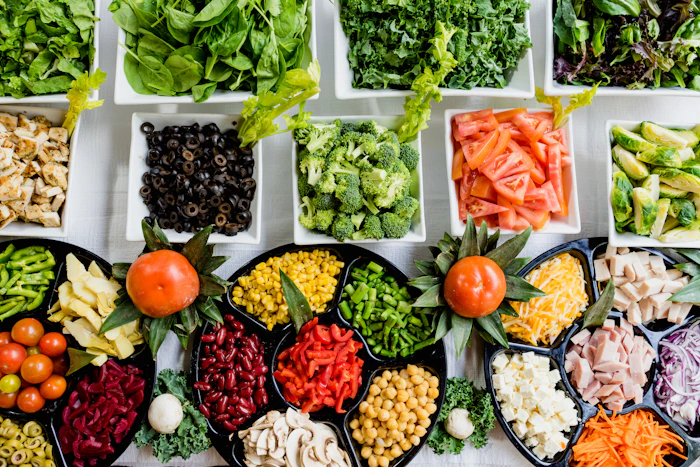
A varied diet with vegetables, whole grains, fibre-rich foods and suitable sources of protein supports overall nutritional health.

Physical activity supports cardiovascular fitness, muscle function and the body's use of glucose for energy.
Consistent sleep and healthy daily routines are important parts of general well-being and can influence metabolic regulation.
Green tea contains polyphenols, including catechins such as EGCG, as well as naturally occurring caffeine. These compounds have been studied for possible effects on glucose regulation, energy expenditure and other metabolic processes.
Some research has reported small changes in fasting blood glucose, but improvements in other measures of glucose control have not been consistently demonstrated. Evidence that green tea products cause substantial weight loss is also limited.
Drinking brewed green tea can be a pleasant part of a balanced diet. However, concentrated green tea extracts are different products and have been associated with rare cases of liver injury, as well as possible interactions with medicines.
Green tea should therefore be viewed as an everyday beverage with interesting plant compounds, rather than a proven treatment for diabetes, insulin resistance or weight management.
Long-term metabolic well-being is supported by a broader combination of balanced nutrition, regular physical activity, adequate sleep and appropriate medical care.
This article is for general educational and informational purposes only. It is not intended to diagnose, treat, cure or prevent any disease and does not replace professional medical advice. Green tea supplements and concentrated extracts may not be suitable for everyone and can interact with medicines. People with liver conditions, diabetes, or those who are pregnant or breastfeeding should consult a qualified healthcare professional before using concentrated green tea products. Never stop or change prescribed medication without medical guidance.
The following resources provide further information about green tea, catechins, glucose regulation, weight management and supplement safety.
An overview of green tea research, possible health effects, weight-related claims and safety considerations.
Read the green tea overview →A detailed review of weight-loss supplements, including research into green tea catechins, caffeine and possible effects on body weight.
Read the scientific fact sheet →A systematic review examining whether green tea preparations help adults with overweight or obesity lose weight or maintain weight loss.
Read the Cochrane review →A meta-analysis of randomised controlled trials examining green tea catechins and their possible effects on fasting glucose, insulin and HbA1c.
Read the research →A systematic review examining the safety of green tea and green tea extracts, including the potential for liver-related adverse effects.
Read the safety review →A systematic review and meta-analysis investigating the effects of green tea catechins with or without caffeine on body weight and other measurements.
Read the research review →