
Plant Compounds
Cinnamon contains polyphenols and other naturally occurring compounds. Researchers have investigated their antioxidant properties and possible interactions with processes involved in metabolism.

A closer look at this familiar spice, its possible relationship with glucose regulation, and why the type of cinnamon matters when considering regular use.
Explore Ceylon CinnamonCinnamon is a well-known spice obtained from the inner bark of trees belonging to the Cinnamomum genus. It has a long history of culinary use and is valued for its warm aroma, distinctive flavour and naturally occurring plant compounds.
Ceylon cinnamon, scientifically known as Cinnamomum verum or Cinnamomum zeylanicum, is often called true cinnamon. It is traditionally associated with Sri Lanka and is different from cassia cinnamon, which is more commonly found in many commercial ground cinnamon products.
Cinnamon has attracted scientific interest because some of its natural compounds have been investigated for possible effects on glucose metabolism and insulin activity. This has led to research into whether cinnamon might influence blood sugar regulation.
The findings are interesting but not conclusive. Studies have used different cinnamon species, extracts, doses and research methods. It is therefore important to distinguish the potential effects being investigated from benefits that have actually been established in people.
Cinnamon contains naturally occurring plant compounds that researchers have studied in laboratory experiments and human trials. Their possible biological effects are an area of continuing investigation.
Cinnamon contains polyphenols and other naturally occurring compounds. Researchers have investigated their antioxidant properties and possible interactions with processes involved in metabolism.

Some laboratory and clinical research has explored whether cinnamon compounds may influence glucose handling or insulin-related pathways. The importance of these effects in everyday human health remains uncertain.

Cinnamon can add flavour to meals without relying on additional sugar. As a culinary spice, it can be part of a varied eating pattern, but it does not replace the broader foundations of metabolic health.

Blood glucose is the amount of glucose circulating in the bloodstream. The body carefully regulates it through hormones, particularly insulin, which helps cells take up glucose and use it for energy.
Researchers have investigated whether certain cinnamon compounds might influence processes involved in insulin signalling, glucose transport or carbohydrate digestion. Some laboratory studies have suggested possible effects on pathways associated with glucose metabolism.
These findings provide reasons for further research, but laboratory results do not necessarily translate into meaningful changes in people. The human body has complex systems for regulating blood glucose, and the effects of a food or plant extract can differ considerably from its effects in a laboratory setting.
At present, cinnamon should be understood as a spice being studied for possible metabolic effects, rather than as an established method of controlling blood sugar.
Cinnamon has been studied in people with type 2 diabetes and other metabolic concerns. Some clinical trials and reviews have reported changes in fasting blood glucose or HbA1c, a blood test that reflects average glucose levels over approximately two to three months.
However, research findings have not been consistent. Studies have used different cinnamon species, including cassia and Ceylon cinnamon, as well as different extracts, preparations, quantities and treatment periods. This makes it difficult to determine whether the results apply to cinnamon in general or to a particular product.
A systematic review published in 2024 examined studies investigating cinnamon and glucose-related measurements. It found that some studies reported positive effects, but differences in study quality and outcome measurements limited the strength of the overall conclusions.
The US National Center for Complementary and Integrative Health (NCCIH) also notes that research does not clearly support using cinnamon to treat any health condition. It remains uncertain whether cinnamon supplementation provides a reliable benefit for diabetes or weight management.
The current evidence therefore does not establish cinnamon as a substitute for prescribed diabetes treatment, nor does it show that everyone would benefit from taking cinnamon supplements.
Some newer research has examined Ceylon cinnamon separately from other cinnamon species, helping to address an important limitation in earlier studies.
A randomised, double-blind, placebo-controlled trial published in December 2025 studied Ceylon cinnamon extract in 210 adults with type 2 diabetes. Participants received one of two extract doses or a placebo, with follow-up lasting four months.
The researchers reported reductions in fasting blood glucose and HbA1c in the cinnamon extract groups compared with baseline, alongside changes in some measures of insulin resistance and pancreatic beta-cell function.
The findings are promising but should be interpreted carefully. A single four-month trial does not establish long-term effectiveness, safety or the benefits of ordinary cinnamon used in food. Larger independent studies are needed.

Not all cinnamon is the same. Two commonly discussed types are Ceylon cinnamon and cassia cinnamon. They come from different species and have different chemical compositions.
Ceylon cinnamon, or Cinnamomum verum, generally contains very low amounts of coumarin. Cassia cinnamon, which includes several related commercial varieties, can contain considerably higher levels.
Coumarin is a naturally occurring plant compound. In sufficiently high or repeated amounts, it can be harmful to the liver in sensitive individuals. This is one reason why the type of cinnamon matters when considering frequent or concentrated intake.
Ceylon cinnamon is often selected by people who use cinnamon regularly because of its naturally lower coumarin content. However, lower coumarin does not mean that unlimited consumption or high-dose supplementation is automatically safe.
Coumarin is a naturally occurring aromatic compound found in several plants, including cinnamon. It contributes to the characteristic aroma of some plant materials, but it is not the same as the compounds responsible for all of cinnamon's flavour and potential biological activity.
The amount of coumarin can vary significantly between cinnamon species and individual products. Cassia cinnamon typically contains much higher concentrations than Ceylon cinnamon, in which coumarin is usually present only in very small amounts.
The European Food Safety Authority has established a tolerable daily intake for coumarin of 0.1 milligrams per kilogram of body weight per day. This is a safety reference for repeated exposure over time, not a recommended amount to consume.
Germany's Federal Institute for Risk Assessment advises people who regularly use larger amounts of cinnamon in cooking to choose Ceylon cinnamon because of its lower coumarin content. It also notes that coumarin levels in cinnamon products can vary considerably.
For occasional culinary use, cinnamon is generally considered safe for most people. The concern is more relevant when large amounts of cassia cinnamon are consumed frequently or when concentrated supplements are used over extended periods.
The appearance of cinnamon sticks can offer clues, although checking the product label is the most reliable way to identify the species.

Often has multiple thin layers of bark rolled together, creating a delicate, layered appearance. Its flavour is generally mild and subtly sweet.

Usually has a thicker, harder bark with fewer visible layers. It tends to have a stronger, more pronounced flavour and generally contains more coumarin.

Ground cinnamon can be difficult to identify by appearance alone. Look for the name Ceylon cinnamon or Cinnamomum verum on the packaging.
Cinnamon is widely used in cooking and baking. Ceylon cinnamon can be added to porridge, yoghurt, fruit dishes, smoothies, baked goods and savoury recipes. Its warm flavour can make meals more interesting without requiring additional sweeteners.
Using cinnamon as a flavouring ingredient is different from taking concentrated extracts or high-dose supplements. Ordinary culinary use generally involves much smaller amounts than those found in some supplement products.
Choosing Ceylon cinnamon may be a sensible option for people who use the spice frequently and want to limit coumarin exposure. However, the presence of cinnamon in a meal does not guarantee a measurable effect on blood glucose.
A varied diet remains more important than relying on any single spice or ingredient. Cinnamon can contribute flavour and variety, but it should not be viewed as a replacement for balanced nutrition or medical guidance.

Cinnamon supplements are often marketed for blood sugar support, metabolism and weight management. They may contain powdered bark, concentrated extracts or products made from different cinnamon species.
The composition of these products can vary. Some labels identify the cinnamon species, while others provide limited information about the plant material or its coumarin content.
Results from a study using a standardised Ceylon cinnamon extract should not automatically be applied to every cinnamon supplement. Products may differ in their preparation, concentration and chemical composition.
There is currently no universally established cinnamon supplement dose for blood glucose management. People should be cautious about products that promise to lower blood sugar, reverse insulin resistance or replace diabetes medication.
Cinnamon is generally safe in the amounts commonly used in food. Larger amounts and concentrated supplements require more care, particularly when used regularly.
Coumarin found in higher amounts in cassia cinnamon can cause liver-related problems in some sensitive individuals. People with existing liver conditions should be especially cautious about frequent high intake or cinnamon supplements.
Cinnamon supplements may potentially add to the effects of medicines used to lower blood glucose. People taking insulin or diabetes medication should discuss concentrated cinnamon products with a healthcare professional before using them.
Cinnamon used in ordinary food quantities is different from concentrated supplementation. The safety of larger medicinal amounts during pregnancy and breastfeeding is not well established, so supplements should be discussed with a healthcare professional.
Cinnamon is only one ingredient being studied in relation to glucose regulation. Long-term metabolic health depends on many interconnected factors and cannot be reduced to a single spice or supplement.
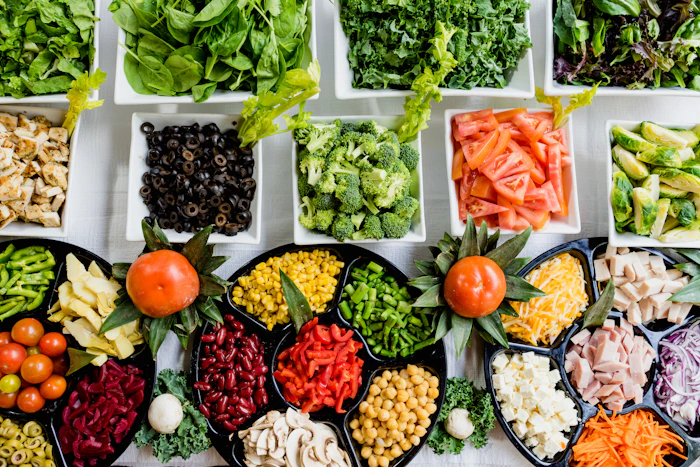
A varied diet with vegetables, whole grains, fibre-rich foods and appropriate sources of protein supports overall nutritional health.

Physical activity supports cardiovascular fitness, muscle function and the body's use of glucose for energy.

Consistent sleep and healthy daily routines are important parts of general well-being and can influence metabolic regulation.
Cinnamon contains natural plant compounds that have attracted scientific interest because of their possible relationship with glucose metabolism. Some studies have reported improvements in blood sugar measurements, but the overall evidence remains inconsistent.
Research specifically involving Ceylon cinnamon is developing, including a 2025 controlled trial that reported promising results with a standardised extract in adults with type 2 diabetes. Further independent research is needed before firm conclusions can be drawn about long-term benefits.
One important distinction is the difference between Ceylon and cassia cinnamon. Ceylon cinnamon generally contains much less coumarin, making it a useful option for people who regularly use cinnamon in cooking. However, lower coumarin content does not make concentrated supplementation risk-free.
Cinnamon can be enjoyed as part of a varied diet, but it should not be treated as a proven diabetes treatment or a replacement for prescribed care. A balanced approach to nutrition, physical activity, sleep and appropriate medical support remains central to long-term well-being.
This article is for general educational and informational purposes only. It is not intended to diagnose, treat, cure or prevent any disease and does not replace professional medical advice. Cinnamon supplements may not be suitable for everyone and may interact with medicines. People with diabetes, liver conditions, or those who are pregnant or breastfeeding should consult a qualified healthcare professional before using concentrated cinnamon products. Never stop or change prescribed medication without medical guidance.
The following resources provide further information about cinnamon research, Ceylon and cassia varieties, coumarin exposure and potential safety considerations.
An overview of cinnamon research, potential health effects, differences between cinnamon products and known safety considerations.
Read the cinnamon overview →A randomised, double-blind, placebo-controlled study investigating Ceylon cinnamon extract in adults with type 2 diabetes.
Read the clinical trial →A separate randomised controlled trial examining Ceylon cinnamon extract, glucose measurements and safety outcomes in adults.
Read the PLOS ONE study →A 2024 systematic review assessing cinnamon research, study quality and reported effects on glucose-related measurements.
Read the systematic review →Information about coumarin in cinnamon, differences between Ceylon and cassia varieties, and considerations for frequent consumption.
Read the coumarin guidance →A review of randomised controlled trials examining cinnamon supplementation and glycaemic control in people with type 2 diabetes.
Read the meta-analysis →