Nutrition & brain health

A closer look at botanicals and brain health.

Plants contain a wide range of naturally occurring compounds that scientists continue to study. Discover six botanical ingredients, what research suggests about them, and how nutrition fits into a broader approach to cognitive well-being.

An educational guide. Botanical ingredients vary in their evidence, effects, and safety.
Healthcare and brain research
Plants, nutrition & research

What can botanical ingredients offer?

Plants produce complex compounds that may interact with different processes in the body.

Researchers study botanical ingredients for their chemical composition, antioxidant activity, and possible effects on different aspects of health. Some ingredients have been examined in clinical studies, while others have mainly laboratory or early-stage evidence.

An effect observed in a laboratory does not necessarily translate into a meaningful benefit for people. Results from one preparation or dose may not apply to another extract or combination.

Botanical ingredient guide

Six ingredients worth understanding

Each botanical has a different composition and research profile. Potential benefits should always be considered alongside the quality of the evidence and the ingredient's safety.

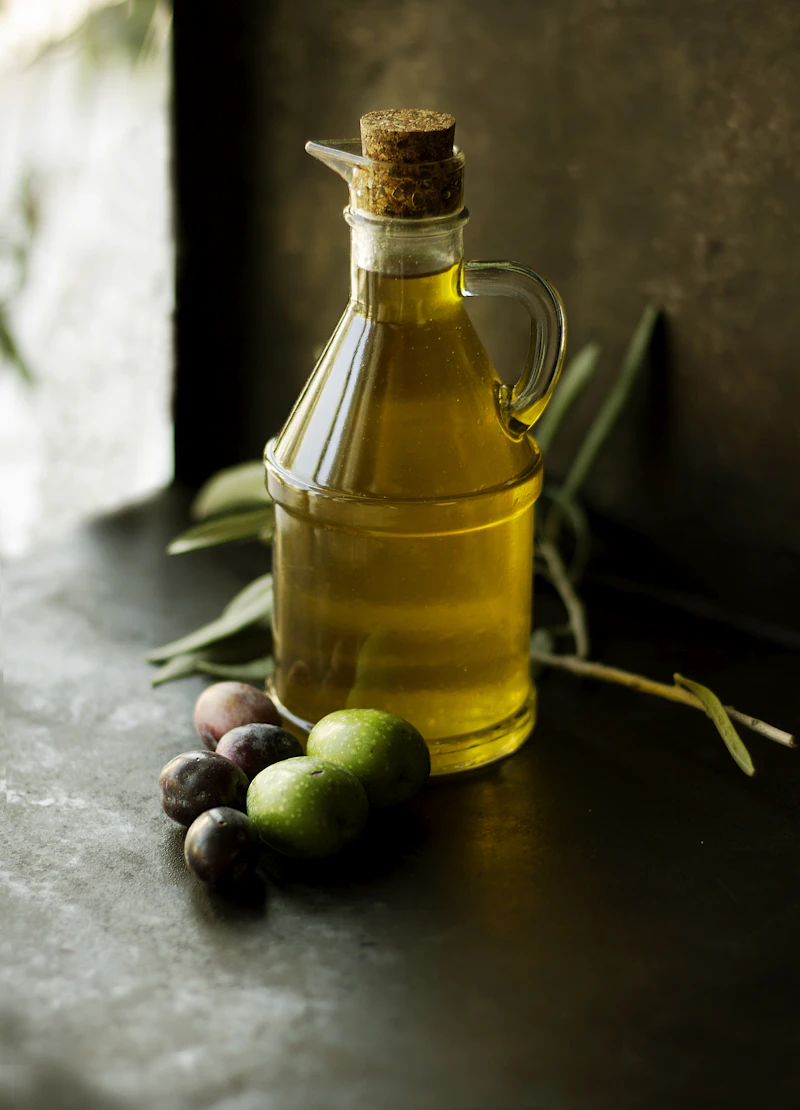
Olive oil and olives
Botanical extract

Olive Leaf

Olea europaea

Olive leaves contain compounds such as oleuropein and other polyphenols. Researchers have studied olive leaf preparations in relation to cardiovascular and metabolic health.

Some clinical research has explored possible effects on blood pressure and blood sugar measures, but findings vary. Olive leaf is not a substitute for prescribed treatment.

Evidence varies by outcome
Cinnamon and natural spices
Spice & plant compound

Cinnamon

Cinnamomum cassia

Cinnamon contains aromatic compounds and polyphenols. It has been investigated for possible effects on blood sugar regulation and some metabolic health markers.

Research findings are mixed. Cassia cinnamon also contains coumarin, which can pose a liver risk in excessive amounts.

Dose and preparation matter
Dried herbs and botanical ingredients
Specially processed extract

Deglycyrrhizinated Licorice

DGL licorice

DGL is licorice extract processed to remove most of its glycyrrhizin. It is mainly discussed in relation to digestive comfort, although evidence for specific uses remains limited.

Claims about stress management, brain performance, or systemic inflammation should not be assumed to be established benefits of DGL.

Specific benefits need better evidence
Green tea in a cup
Tea-derived compounds

Green Tea Extract

Camellia sinensis

Green tea contains catechins, including EGCG, and may also contain caffeine depending on the preparation. These compounds have attracted interest in metabolic and cardiovascular research.

Concentrated extracts are not proven brain boosters or reliable weight-loss treatments. High-dose extracts have also been associated with liver injury.

Tea and concentrated extracts differ
Fresh grapes
Polyphenol-rich extract

Grape Seed Extract

Vitis vinifera

Grape seed extract contains compounds called proanthocyanidins, studied for antioxidant activity and possible effects on vascular function.

Some studies have examined blood pressure and other cardiovascular markers, but results are not conclusive for every outcome. Antioxidant activity does not mean an extract can remove all oxidative damage or prevent disease.

Promising research is not proof of treatment
Fresh blueberries and dark berries
Berry extract

Bilberry Extract

Vaccinium myrtillus

Bilberries contain anthocyanins, the pigments responsible for their deep blue-purple color. These compounds have been studied for antioxidant properties and potential relationships to vascular health.

Strong evidence that bilberry supplements improve eyesight or memory in otherwise healthy people is lacking. Results may depend on the specific condition and preparation studied.

Vision and cognitive claims remain limited
Make informed choices

How to evaluate a botanical supplement

Ingredient names alone do not tell you whether a supplement is effective, appropriate, or safe. Consider the complete picture.

Look for human evidence

Laboratory experiments and animal studies can help researchers form hypotheses, but human studies are needed to understand whether an ingredient provides a meaningful health benefit.

Check the actual amounts

Different extracts can have different concentrations and compositions. A blend containing many ingredients does not mean each is present in an amount studied in clinical research.

Consider safety first

Botanical ingredients can interact with medicines and may be unsuitable for some people. Check the full label, quality information, warnings, and potential interactions before use.

Everyday brain health

Build your routine around the fundamentals

Before focusing on a supplement, consider the daily habits that support overall health and normal cognitive function.

  • Prioritize regular sleep Consistent, adequate sleep supports attention, learning, and memory.
  • Stay physically active Regular movement supports cardiovascular health and general well-being.
  • Eat a varied diet Include vegetables, fruit, whole grains, healthy fats, and appropriate protein sources.
  • Manage stress and stay connected Relaxation, social connection, and enjoyable mental activities can contribute to a balanced lifestyle.
Before you take a supplement

A few important safety considerations

Plant-derived ingredients can have biological effects. Dose, preparation, and personal circumstances matter.

Speak with a healthcare professional if you:

  • Take prescription medicines, especially for blood pressure, blood sugar, blood clotting, or other long-term conditions.
  • Have liver or kidney disease, are pregnant or breastfeeding, or are preparing for surgery.
  • Are considering combining multiple botanical extracts or supplements.
  • Have new, persistent, or worsening memory or concentration symptoms.

This page is for general educational purposes. It does not diagnose, prevent, or treat disease and is not a substitute for individualized medical advice.

Knowledge supports better choices

Make brain health a whole-life priority.

Botanical ingredients offer interesting areas for scientific research, but no blend can replace healthy habits, reliable evidence, or appropriate healthcare. Start with the fundamentals, ask thoughtful questions, and choose supplements carefully.

Explore Mad April