🛡️
01 · Immune balance
What Is Immune Regulation?
Immune regulation refers to the processes that control
how the immune system responds to potential threats.
The immune system needs to recognise harmful organisms
and damaged cells while avoiding unnecessary reactions
against healthy tissues.
This balance involves many different immune cells,
signalling molecules and regulatory mechanisms.
When immune activity is not properly controlled,
excessive or persistent inflammation can contribute
to tissue damage and disease.
Immune regulation is therefore not simply about making
the immune system more active. It is about maintaining
an appropriate response for the situation.
🌿
02 · The digestive system
The Gut as an Important Immune Environment
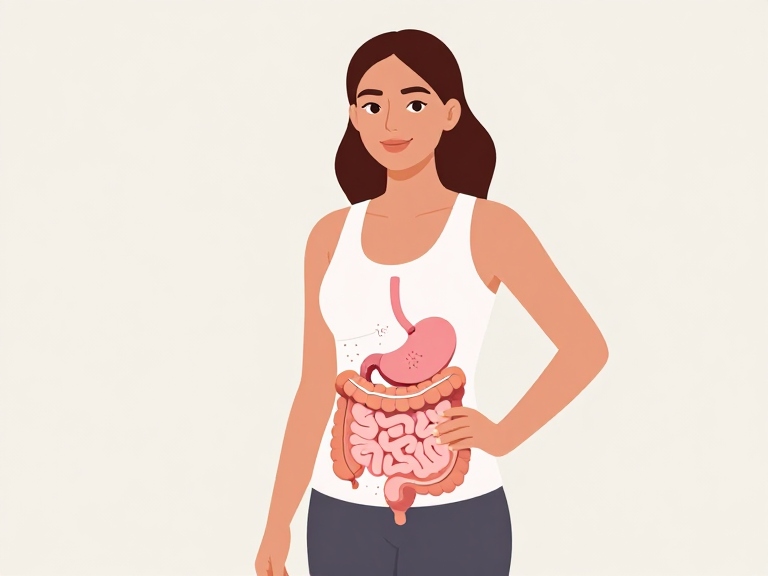
The digestive tract is one of the body's major
interfaces with the outside environment. Every day,
it encounters food components, microorganisms and
other substances that must be processed appropriately.
The intestinal lining acts as a selective barrier.
It helps regulate what passes from the digestive tract
into the body while working alongside immune cells
that monitor the surrounding environment.
Gut-associated immune tissues help coordinate responses
to microorganisms and other substances. These processes
are important for maintaining intestinal health and
supporting immune balance.
🦠
03 · Gut microorganisms
How the Gut Microbiome Interacts with Immunity
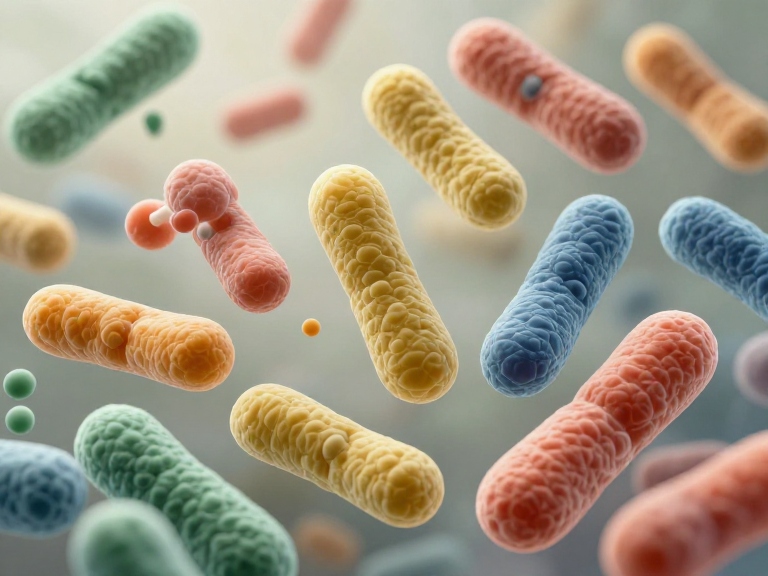
The gut microbiome is the community of bacteria,
viruses, fungi and other microorganisms living
in the digestive tract. Its composition varies
between individuals and can be influenced by diet,
age, environment, medicines and other factors.
Some gut microbes help break down dietary fibres
and produce substances known as metabolites.
These include short-chain fatty acids, which are
formed when certain microbes ferment fibre.
Researchers are studying how these metabolites
interact with intestinal cells and immune signalling.
Some findings suggest that microbial activity may
influence processes involved in maintaining
an appropriate immune response.
✓ Microbes interact with dietary components
✓ Some produce biologically active metabolites
✓ Microbial activity can influence the intestinal environment
🔬
04 · Inflammation
Understanding Inflammation and Immune Signalling
Inflammation is part of the body's normal response
to injury, infection and other challenges. It helps
coordinate protective activity and tissue repair.
However, inflammation that is excessive, persistent
or poorly regulated can contribute to health problems.
Researchers are examining how gut microbes and
their metabolites may influence signalling pathways
involved in inflammatory responses.
These processes are complex. The effects of a particular
microbe or metabolite may depend on the surrounding
environment, the person's health and other biological
factors.
A relationship between the microbiome and inflammation
does not automatically mean that a particular food,
probiotic or supplement can control inflammation
throughout the body.
👁️
05 · The gut–eye axis
Why Researchers Are Studying the Gut–Eye Connection
The eyes have specialised immune and protective
mechanisms that help maintain a stable environment
for delicate tissues. At the same time, eye health
is influenced by wider processes throughout the body.
The proposed gut–eye axis describes possible
relationships between the digestive system,
gut microorganisms, immune signalling and eye health.
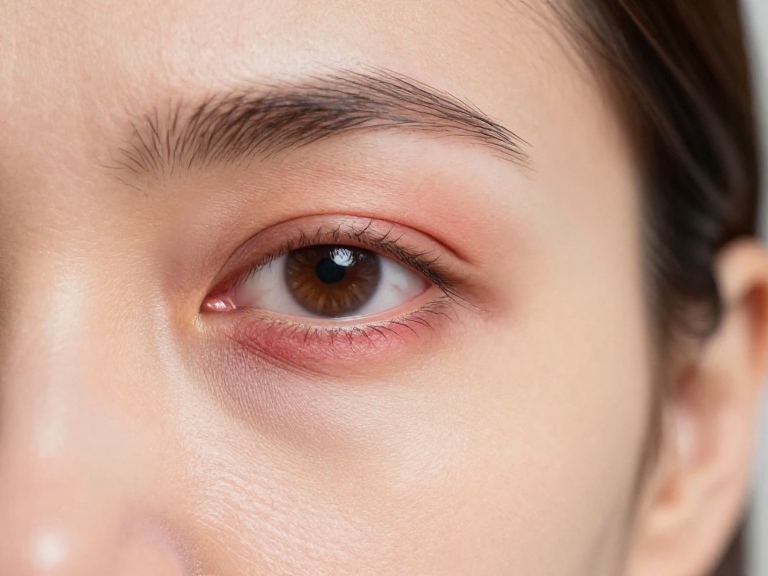
Researchers are investigating whether changes
in gut microbial activity may be associated with
inflammatory processes affecting the eyes.
Some research has explored these relationships
in experimental models and in people with particular
eye conditions. However, the findings are still
developing and do not establish a general treatment
strategy for improving vision.
🧬
06 · Eye health
Immune Protection in the Eyes
The eyes are particularly sensitive organs.
Their tissues rely on carefully controlled
protective mechanisms to maintain normal function.
The immune system helps protect the eyes from
infection and responds to injury or other challenges.
Some eye structures also have specialised barriers
and regulatory processes that limit unnecessary
inflammation.
Researchers are exploring how systemic immune
activity may relate to inflammatory eye conditions.
This work includes investigating possible connections
between gut microbes, immune signalling and the
body's wider inflammatory environment.
These investigations are important for understanding
biological relationships, but they do not mean that
digestive changes are responsible for every eye
condition or that treating the gut will resolve
an eye problem.
📊
07 · Scientific evidence
What Does the Research Actually Show?
Research into the gut microbiome and immune regulation
has identified several possible biological pathways
through which gut microorganisms may influence
processes elsewhere in the body.
Studies have examined microbial composition,
metabolites, inflammatory signalling and immune
responses in relation to different health conditions.
Some experimental research has also investigated
possible connections with eye inflammation.
However, much of this work is still at an early stage.
Findings from laboratory studies or animal models
cannot automatically be applied to people.
Human studies are needed to clarify whether
particular microbiome changes have meaningful
effects on eye health.
✓ Biological mechanisms are being investigated
✓ Some experimental findings are promising
✓ Human clinical evidence remains developing
🥗
08 · Everyday wellbeing
Everyday Habits That Support General Gut Health
Although there is no proven dietary programme
that targets the gut–eye axis, everyday habits
can support general digestive and overall health.
A varied eating pattern that includes fibre-rich
foods provides nourishment for many gut microorganisms.
Vegetables, fruit, legumes, oats and whole grains
are useful sources of dietary fibre.
Other aspects of daily life also matter. Regular
physical activity, adequate sleep, appropriate
hydration and avoiding smoking contribute to
general wellbeing.
✓ Include a variety of vegetables and fruit
✓ Choose fibre-rich foods regularly
✓ Maintain regular physical activity
✓ Prioritise sleep and hydration
These habits are not a treatment for eye disease.
They are practical elements of a balanced approach
to everyday health.
💊
09 · Supplements and probiotics
Should You Use Probiotics or Supplements?
Probiotics and other supplements are sometimes
promoted as ways to improve gut health or influence
immune function. However, products differ in their
ingredients, strains, amounts and quality.
Evidence for one probiotic strain or formulation
does not establish that all probiotics have the
same effects. Similarly, findings from a particular
clinical study cannot automatically be applied
to every product on the market.
There is currently no universal probiotic or
supplement recommendation for improving eye health
through the gut microbiome.
If you are considering a supplement, take account
of your health history, medicines and nutritional
needs. A qualified healthcare professional can
help you decide whether a product is appropriate.