
Gut & Eye Health
Explore the wider topic and discover how researchers are investigating possible connections between digestive and eye health.
Read the Guide
Your health is connected. So are your gut and eyes. Researchers are exploring how the gut microbiome and the immune system may relate to eye health, revealing another way the body's systems work together.
Explore the ScienceThe gut–eye connection, sometimes called the gut–eye axis, describes a possible relationship between the microorganisms living in the digestive tract, the body's immune and metabolic processes, and the health of the eyes. Although the digestive system and eyes perform very different jobs, neither works in isolation from the rest of the body.
Researchers are investigating whether changes in the gut microbiome may influence processes involved in certain eye conditions, particularly those in which inflammation or immune activity plays a role. The idea is not that the gut directly controls eyesight. Rather, signals produced in one part of the body may affect biological processes elsewhere.
This field is still developing. Laboratory experiments and human studies have identified intriguing associations, but scientists are continuing to determine which relationships are meaningful, which are coincidental, and whether changing the microbiome can improve eye health in people.
Scientists are investigating possible links between gut microbes, immune activity and eye health. However, finding a connection does not automatically mean that one condition causes another.

The gut microbiome is the community of microorganisms that live in the digestive tract. It includes bacteria, fungi, viruses and other microscopic organisms, along with the genes and biological products associated with them. Its composition differs from person to person and can be influenced by diet, age, environment, medicines and general health.
These microorganisms do more than coexist with us. Many help break down components of food that the body cannot fully digest on its own. Some produce substances called metabolites, while others interact with the intestinal lining and help shape the development and activity of the immune system.
One example is the production of short-chain fatty acids, such as butyrate, when certain gut bacteria ferment dietary fibre. These compounds are important in the gut and are being studied for their broader effects on immune regulation and metabolism. Researchers are exploring whether some microbiome-derived signals may also influence inflammation in tissues beyond the digestive tract.
There is no single microbiome profile that defines perfect health for everyone. Microbial communities are complex, and scientists are learning that what these organisms do may be just as important as which organisms are present.
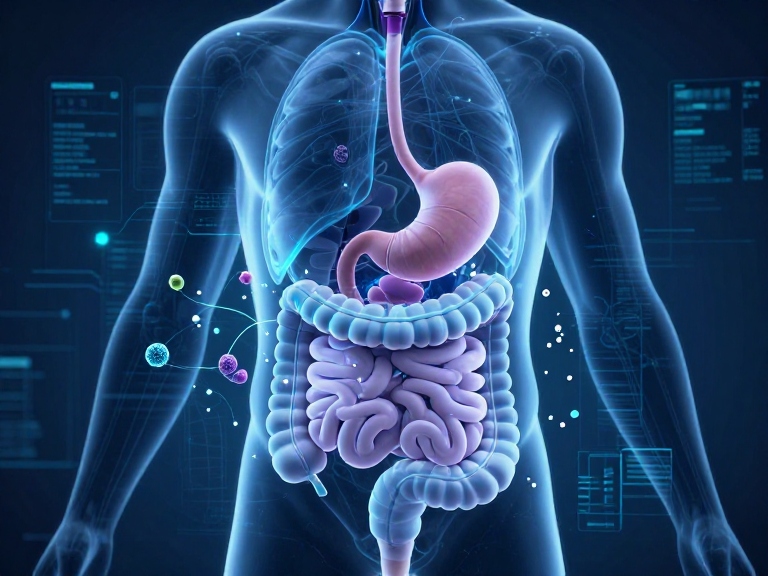
Gut microorganisms interact with dietary components, produce metabolites and communicate with the body's immune system. Researchers are studying how these activities may influence health beyond the digestive tract.
The proposed connection involves several biological pathways rather than one simple mechanism. Researchers are particularly interested in immune signalling, microbial metabolites and the body's protective barriers.
The gut microbiome interacts with immune cells and helps influence how the body responds to potential threats. Researchers are examining whether changes in these signals may be relevant to inflammatory eye conditions.
Compounds produced as microbes process food can affect biological activity. Some metabolites are being studied for their possible roles in inflammation, metabolism and tissue protection.
The intestinal lining and the blood–retinal barrier help regulate what passes into sensitive tissues. Scientists are investigating how barrier function and inflammation might interact in certain diseases.
Food supplies nutrients needed throughout the body. Dietary patterns also influence gut microbes and metabolic health, creating several possible links worth studying.
These pathways may overlap. For example, a change in microbial activity could alter the compounds produced in the gut, which may in turn affect immune signalling. However, demonstrating that such a pathway exists biologically is different from proving that it causes a particular eye disease in humans.
The gut–eye axis has been studied in relation to several conditions, including uveitis, dry eye disease, age-related macular degeneration and diabetic retinopathy. These conditions have different causes and mechanisms, so a possible microbiome connection should not be interpreted in the same way for each one.
Uveitis is inflammation inside the eye. Because immune activity is central to many forms of uveitis, scientists have explored whether intestinal microbes could influence the immune responses involved. Some experimental research supports this possibility, but more clinical evidence is needed before it can guide routine treatment.
Dry eye disease involves the tear film and the surface of the eye. It can be influenced by many factors, including tear production, environment, medicines, eyelid function and inflammation. Researchers are studying how the gut microbiome and immune regulation might contribute to some aspects of ocular surface health. This does not mean that dry eyes necessarily indicate a gut problem.
Researchers have also investigated associations between gut microbes and retinal conditions, including age-related macular degeneration and diabetic retinopathy. Potential explanations include metabolic signalling, vascular function and inflammation. Much of this work remains observational or experimental, and the findings do not establish that microbiome changes are a direct cause.
An association between the gut microbiome and an eye condition does not prove that the microbiome caused the condition. The relationship could be indirect, influenced by other health factors, or even reflect changes that occur after a disease develops.
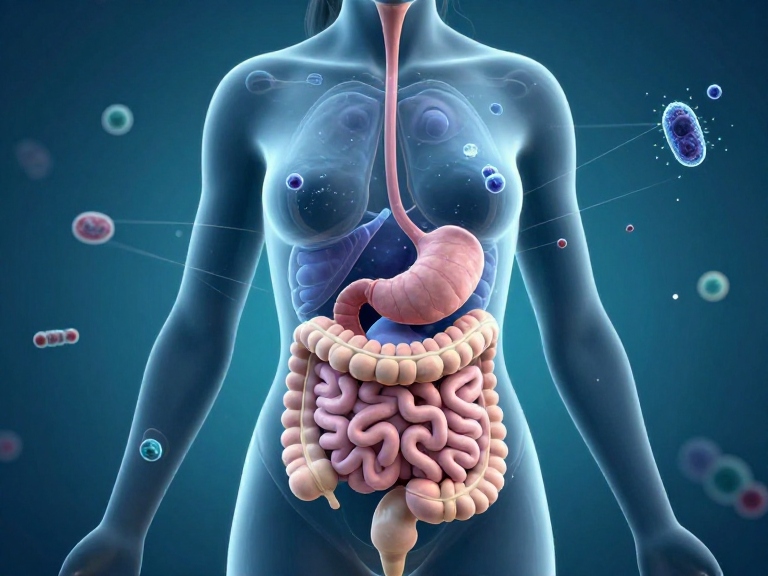
Nutrition is relevant to both digestive and eye health, but it is only one part of a much bigger picture. The body needs a range of nutrients to maintain normal tissues and physiological functions. Meanwhile, the types of food people eat can influence the gut microbiome and overall metabolic health.
A varied eating pattern that includes vegetables, fruit, legumes, whole grains, nuts and other nutrient-rich foods can provide dietary fibre and a broad range of essential nutrients. Depending on individual needs, adequate protein and healthy sources of fat can also contribute to a balanced diet.
These are general foundations of wellbeing, not a proven microbiome-based treatment for eye disease. No single food, probiotic or supplement has been shown to prevent or treat every condition discussed in gut–eye research.
Other everyday factors matter, too. Managing conditions such as diabetes with appropriate professional support, avoiding smoking, protecting the eyes from excessive ultraviolet exposure and keeping up with recommended eye examinations can all be important parts of looking after your health.
The right approach depends on the person. People with specific nutritional needs, digestive symptoms or diagnosed eye conditions should seek advice suited to their circumstances rather than relying on broad online recommendations.
Scientific interest in the gut–eye connection has grown as researchers have learned more about the microbiome's role in immunity and metabolism. Studies in animals can help identify possible mechanisms, while human observational studies can reveal patterns that deserve further investigation.
Each type of evidence has limitations. Animal findings do not always translate to humans, and observational studies cannot reliably determine cause and effect on their own. Results can also vary with age, diet, medication use, underlying illness and the methods used to measure microbial communities.
To understand whether a microbiome-based intervention can actually improve eye health, researchers need well-designed clinical trials. These studies must examine specific interventions, particular conditions, meaningful health outcomes and potential risks over an appropriate period.
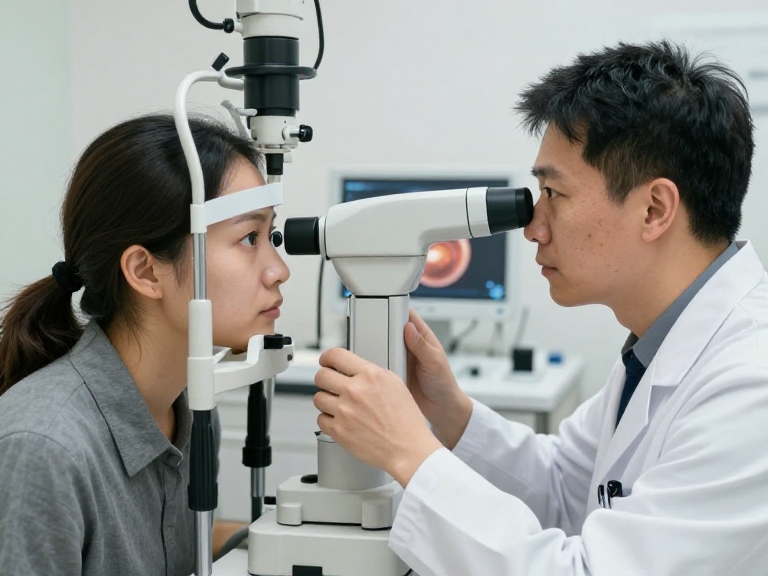
Current research supports investigating connections between gut microbes, immune function and certain eye conditions. It does not establish that a so-called gut imbalance causes every eye problem or that changing the microbiome will necessarily improve vision.
You do not need to diagnose or change your microbiome to take a thoughtful approach to your wellbeing. A sensible starting point is to focus on established health practices and seek professional advice when something concerns you.
Include a range of plant foods and fibre-rich choices when suitable for your individual needs.
Keep recommended health appointments and manage ongoing conditions with your healthcare team.
Arrange eye examinations as recommended and discuss persistent symptoms with an eye-care professional.
Be wary of products promising to detox the gut, rebalance the microbiome or restore vision without good clinical evidence.
Probiotics, supplements and restrictive diets should not be used as substitutes for established treatment of eye conditions.
If you experience sudden vision loss, a sudden increase in floaters, flashes of light, a curtain-like shadow across your vision or significant eye pain, seek urgent medical assessment. These symptoms should not be attributed to digestive health without an appropriate examination.
The gut–eye connection offers a useful way to explore how different body systems may communicate. The gut microbiome interacts with nutrition, metabolism and immune activity, and researchers are investigating how those relationships might matter for certain eye conditions.
The science is encouraging, but important questions remain. Understanding a possible biological connection is the first step; proving that it can safely and reliably improve eye health is another. For now, the most helpful approach is to support general wellbeing, care for your eyes and rely on qualified healthcare professionals for diagnosis and treatment.
These scientific reviews discuss current evidence and the limitations of research into the gut microbiome and eye health.
The gut and eyes may seem like separate parts of the body, but both are influenced by wider biological processes. The microbiome, immune system, metabolism and nutrition are all areas of ongoing research into how these systems may interact.
Learning about these possible connections can help put health research into context. It is equally important to recognise what remains uncertain and to distinguish emerging scientific ideas from established medical guidance.
Health information disclaimer: This article is for general educational purposes only and is not a substitute for personalised medical advice, diagnosis or treatment. Speak with a qualified healthcare professional about your individual health needs. Do not delay or disregard professional care based on information presented here.
Explore more educational guides about digestion, nutrition, immune regulation and the connections researchers are investigating between the gut and eyes.
Explore the wider topic and discover how researchers are investigating possible connections between digestive and eye health.
Read the Guide
Discover why researchers are investigating relationships between gut microbes, immune activity and eye health.
Read the Guide
Learn how digestion, nutrient absorption and the gut microbiome relate to nutrients that support normal eye function.
Read the Guide