
Gut & Eye Health
Explore the possible relationships between digestion, the gut microbiome and eye health.
Read the Guide
Your health is connected. So are your gut and eyes. A balanced diet provides vitamins, minerals, fats and other compounds that support normal body functions. Digestion and absorption help make these nutrients available to tissues throughout the body, including the eyes.
Explore the ScienceEating nutritious food is an important part of supporting health, but the body must also be able to access and use the nutrients in that food. Nutrient availability describes how nutrients become accessible for bodily processes after food is eaten. This involves digestion, absorption, transport and the ways cells take up and use individual substances.
The amount of a nutrient in a meal does not always tell the whole story. Some nutrients are more easily absorbed than others, and the composition of a meal can affect how the body handles them. Digestive function, age, medicines and certain health conditions may also influence nutrient absorption.
These processes matter for the eyes because eye tissues depend on a steady supply of energy and specific nutrients to maintain their structures and carry out specialised jobs. However, nutrition is one part of a much bigger picture: genetics, ageing, circulation, environmental exposures and existing medical conditions can also influence eye health.
Eating a nutrient-rich food is not the same as absorbing every nutrient it contains. Digestion, absorption, transport and tissue needs all contribute to how the body uses nutrients.
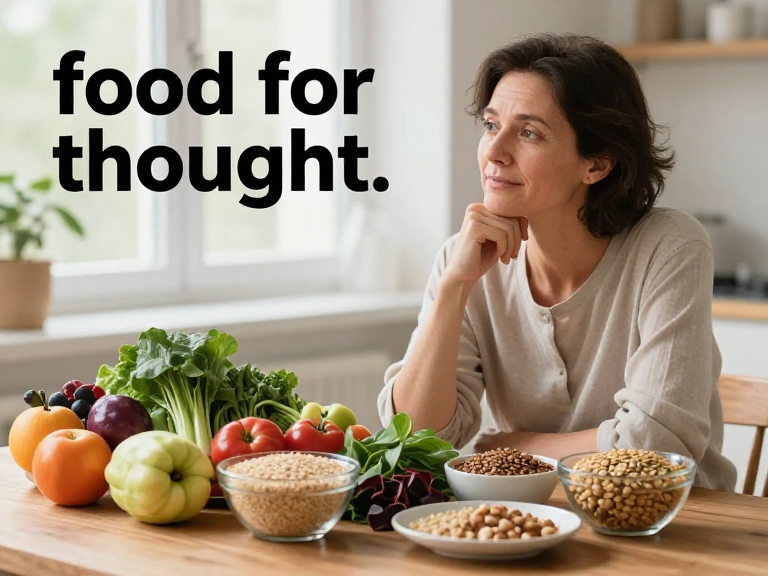
Digestion begins in the mouth, where chewing breaks food into smaller pieces. As food moves through the digestive tract, acids, enzymes and other digestive substances help break it down into components the body can absorb. The small intestine is the main site where most nutrients from food enter the body.
Nutrients cross the intestinal lining and enter the bloodstream or lymphatic system, depending on the type of substance. The body then distributes, stores or processes them as needed. The liver also plays an important role in processing many absorbed nutrients before they circulate more widely.
Absorption is not identical for every nutrient. Carbohydrates are broken down into simple sugars, while proteins are digested into amino acids and smaller peptides. Dietary fats are processed with help from bile and digestive enzymes. Vitamins and minerals follow different absorption pathways, and some are better absorbed when eaten with particular foods or in particular forms.
If the digestive tract cannot properly break down or absorb food, a person may not obtain enough of certain nutrients even when their diet appears adequate. Persistent digestive symptoms or a suspected deficiency deserve individual assessment rather than assumptions about a person's gut microbiome.
Absorption is therefore a key link between the food we eat and the nutrients that become available to the rest of the body.
The eyes contain specialised tissues with different nutritional needs. The retina detects light and converts it into signals for the brain, while the lens helps focus light. The cornea and tear film support the eye's surface and help maintain a clear optical pathway.
A varied diet provides a range of nutrients that contribute to normal functions throughout the body, including functions important to the eyes. No single food or nutrient can meet every need, and consuming more of a nutrient than the body requires does not automatically improve vision.
Vitamin A is essential for normal vision, particularly in low light, and helps maintain the normal condition of the eye's surface. Sources include eggs, dairy products and foods rich in beta-carotene, such as carrots and sweet potatoes.
These carotenoids are found in the retina, especially in the macula. They occur in foods such as leafy green vegetables, peas and other vegetables. Researchers continue to study their role in eye health.
Omega-3 fats are components of cell membranes and contribute to normal body functions. Oily fish, including salmon and sardines, provide long-chain omega-3 fats. Supplement evidence varies by eye condition.
Vitamin C, vitamin E, zinc and other nutrients support functions such as antioxidant defence and normal cellular processes. Fruit, vegetables, nuts, seeds, legumes and whole grains can help provide a broad range of nutrients.
The important principle is balance. Nutrients work within interconnected systems, and the benefits of a varied, food-rich diet cannot always be reproduced by taking a single concentrated supplement.
The gut microbiome is the community of microorganisms that live in the digestive tract. These organisms interact with food and with the body's own digestive processes. Some gut microbes help break down dietary fibres and other compounds that human digestive enzymes cannot fully digest.
This activity produces substances called metabolites. Short-chain fatty acids, for example, are formed when certain gut microbes ferment fibre. These compounds help support the intestinal environment and are being studied for their wider metabolic and immune effects.
Gut microorganisms can also affect the processing of some dietary compounds. Research suggests that microbial activity may influence the availability of certain nutrients and plant-derived substances. Some microbes produce forms of particular vitamins, although the amount produced and how much the body can use vary. Microbial production should not be assumed to replace dietary needs.
These relationships are complex and differ between individuals. A person's diet, medicines, age and health can all influence the microbiome. Scientists are still investigating how particular microbial functions relate to nutrient status and whether those effects have meaningful consequences for eye health in humans.
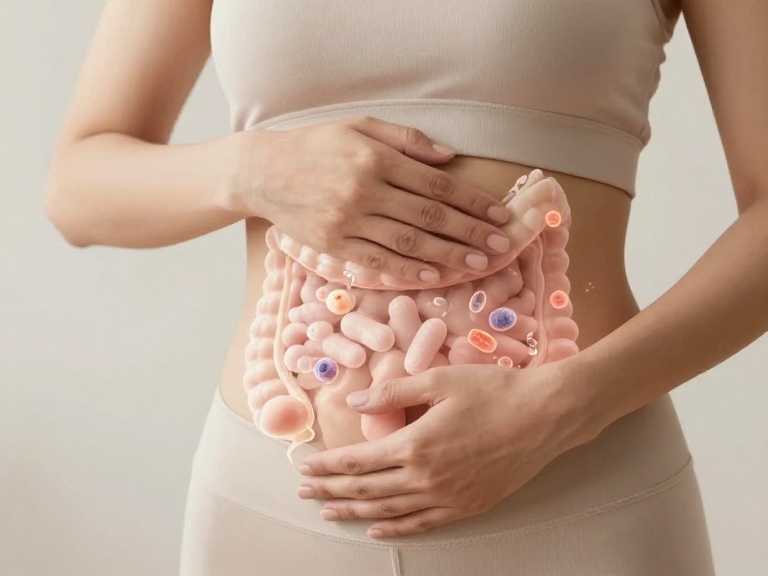
Gut microorganisms interact with dietary components and produce metabolites. Researchers are exploring how these processes may relate to metabolism, immune activity and nutrient availability.
Once absorbed, nutrients are transported through the bloodstream or lymphatic system to tissues throughout the body. The eyes receive nutrients through specialised circulation, and the retina is protected by the blood–retinal barrier, which helps regulate what passes from the blood into sensitive retinal tissue.
This means that eating a nutrient-rich food is only one step in a longer process. The nutrient must be digested and absorbed, travel through the body and become available to the tissue that needs it. Different nutrients follow different pathways, and not all substances reach the eye in the same way.
Researchers studying the proposed gut–eye axis are examining how diet, microbial metabolites, metabolism and immune activity might interact with eye tissues. Some evidence comes from animal studies and observational research, including studies exploring age-related macular degeneration. Such work helps generate scientific questions, but it does not establish that changing gut bacteria will improve vision or prevent an eye disease.
The established role of nutrients in normal body function is different from emerging research on whether the gut microbiome influences particular eye diseases. These questions require different levels of evidence.
Nutrient availability depends on more than the foods chosen. Several factors may influence how effectively nutrients are absorbed and used.
Conditions that affect the small intestine, pancreas, liver or bile flow can interfere with the digestion or absorption of particular nutrients. Persistent diarrhoea, unexplained weight loss or ongoing digestive discomfort should be discussed with a healthcare professional.
Some nutrients are more available when foods are prepared or eaten in particular ways. For example, dietary fat helps the body absorb fat-soluble vitamins A, D, E and K. The vitamin C in some foods can improve the absorption of non-haem iron from plant foods.
Some medicines and health conditions can alter nutrient absorption or requirements. Needs may also change during pregnancy, ageing or recovery from illness. A healthcare professional can help determine whether testing or individual nutrition advice is appropriate.
For most people, a varied and balanced diet is a sensible foundation for general health. Rather than concentrating on one so-called superfood, aim for a range of foods that provide different nutrients and types of fibre.
Include leafy greens and colourful produce to provide a range of vitamins, minerals and plant compounds.
Oats, whole grains, beans, lentils, nuts and seeds can contribute dietary fibre, depending on your individual needs.
Legumes, eggs, nuts, seeds and fish can contribute different nutrients to a balanced eating pattern.
Drink enough fluids and follow any personalised advice related to digestive or other medical conditions.
Seek professional advice rather than relying on symptoms or online microbiome tests alone.
Supplements can be useful in particular circumstances, including when a deficiency has been identified or a clinician recommends a specific formulation. They are not automatically necessary for everyone. High doses of some vitamins and minerals can cause harm or interact with medicines.
One specific example is the AREDS2 supplement formulation, which may help certain people with intermediate or advanced age-related macular degeneration. It is not intended for everyone, does not restore lost vision and should not be used as a general substitute for a balanced diet or professional eye care.
Consider your existing diet, health conditions and medicines. Ask a qualified healthcare professional whether a supplement is appropriate for your circumstances.

There is strong biological evidence that the body needs adequate nutrients for normal function and that the digestive system plays a central role in making many nutrients available. Research also shows that diet and gut microbes interact in multiple ways.
The next question—whether specific microbiome changes can reliably improve nutrient delivery to the eyes or prevent particular eye diseases—is more complicated. Many findings about the gut–eye relationship are observational or come from experimental models. Larger, carefully designed human studies are needed to determine which relationships are causal and whether targeted interventions are helpful.
An association between two factors does not establish that one causes the other.
A plausible biological explanation does not prove that an intervention improves health.
Evidence for a supplement in one eye condition does not mean it benefits every person or every condition.
Nutrient availability is a process, not a single food. A balanced diet, effective digestion, absorption and delivery all contribute to nutrient availability. The gut microbiome may influence some of these processes, but it is not a proven universal target for improving eyesight.
Nutrient availability connects what we eat with how the body functions. Digestion breaks food down, the intestine absorbs many of its nutrients, and the circulation helps deliver them to tissues throughout the body. The eyes depend on this wider system to receive nutrients needed for normal function.
The gut microbiome adds another layer to this picture through its role in processing dietary compounds and producing metabolites. Scientists are continuing to investigate how these interactions might relate to eye health. For now, a varied diet, appropriate medical care and regular eye examinations remain practical foundations of everyday wellbeing.
If you have persistent digestive symptoms, concerns about nutrient deficiencies or changes in vision, seek personalised advice from an appropriate healthcare professional rather than relying on a general nutrition strategy alone.
The following resources provide additional information about digestion, nutrient availability and the emerging science of nutrition and eye health.
Background on digestion and how the digestive tract works.
Research examining relationships between the microbiome, nutrition and eye health.
Information about supplement evidence and eye conditions.
An overview of research into the gut–eye axis using animal models.
What we eat, how we digest food and how nutrients are absorbed are all connected. These processes help provide the body with the materials it needs, including nutrients that support normal eye function.
The gut microbiome is an active area of research, and scientists are still learning how its interactions with diet and metabolism may relate to the eyes. A balanced approach is the most useful starting point: eat a varied diet, seek advice when health concerns arise and keep up with appropriate eye care.
Health information disclaimer: This article is for general educational purposes only and does not replace professional medical advice, diagnosis or treatment. Consult a qualified healthcare professional about nutritional concerns, digestive symptoms or changes in vision. Do not delay or disregard professional care based on information presented here.
Explore more educational guides about digestion, nutrition, immune regulation and the connections researchers are investigating between the gut and eyes.
Explore the possible relationships between digestion, the gut microbiome and eye health.
Read the Guide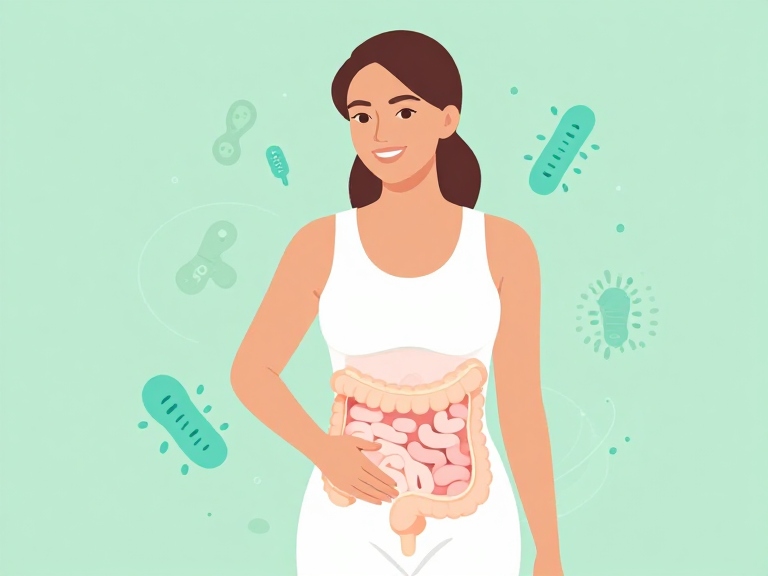
Discover why researchers are investigating relationships between gut microbes, immune activity and eye health.
Read the Guide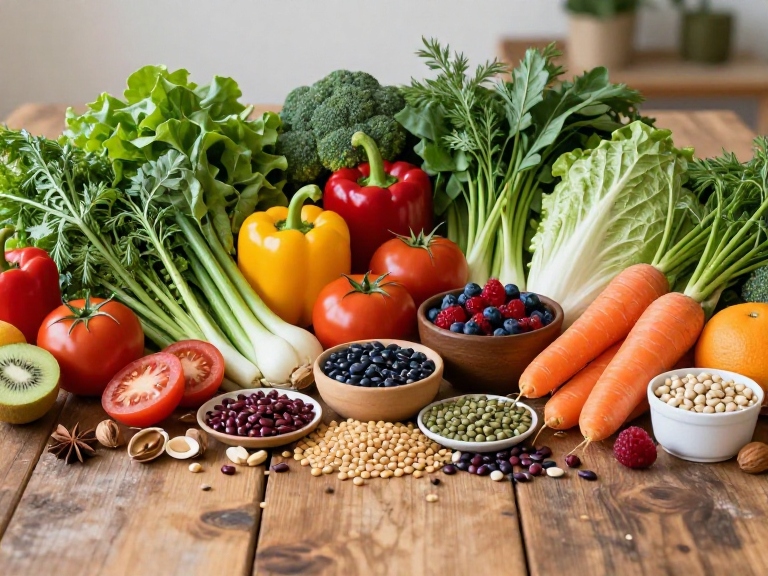
Learn how to evaluate supplement evidence, ingredient labels, product quality and safety.
Read the Guide