Movement is a team effort
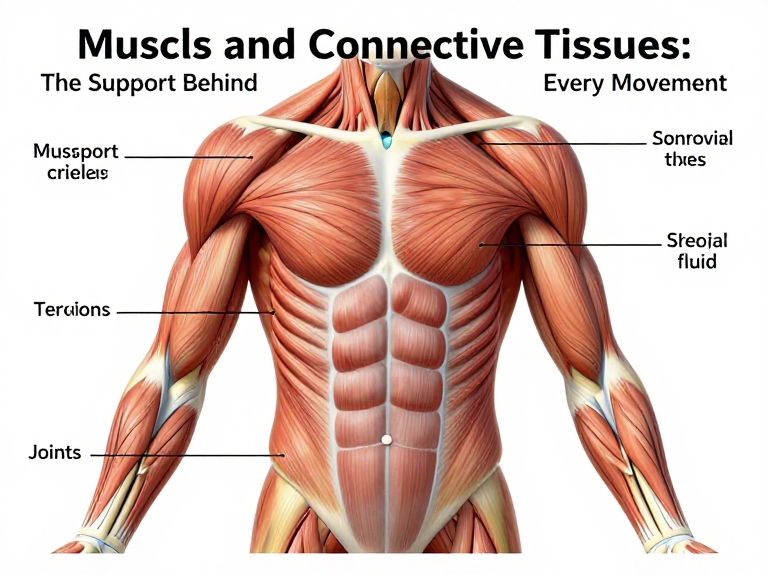
Everyday activities such as walking, climbing stairs, lifting a bag or reaching for a shelf may feel simple, but they require several body systems to work together. Bones provide a supportive framework, joints allow movement between bones, and muscles generate force. Connective tissues help transmit that force, guide motion and support the joint as its position changes.
A joint is not merely a hinge between two bones. Its function also depends on the surrounding muscles and soft tissues, which respond to changes in posture, direction and physical demand. Some tissues provide passive support, while muscles can actively adjust their tension as the body moves.
This teamwork matters because a joint must do more than move. It also needs to remain appropriately aligned, respond to changing loads and allow controlled motion. The contribution of each tissue differs depending on the joint and the activity being performed.
Muscles: creating and controlling movement
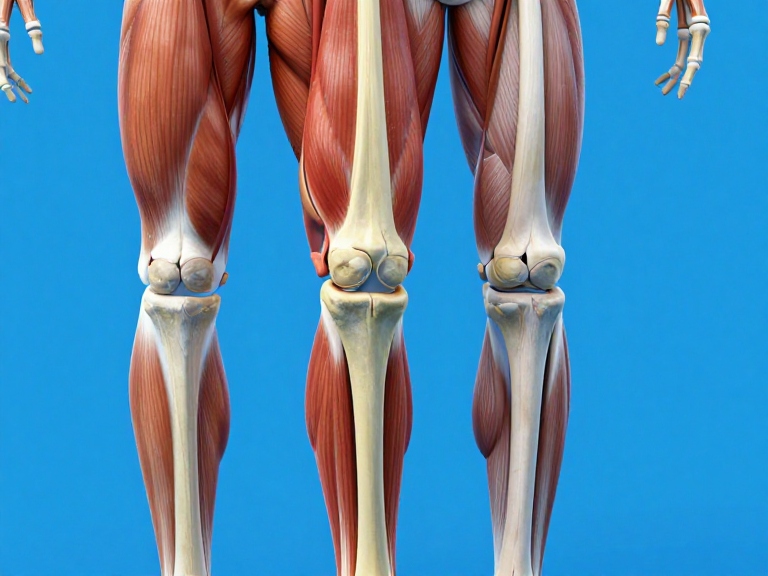
Skeletal muscles contract to produce force. Many muscles cross one or more joints, allowing them to bend, straighten, rotate or otherwise move a body part. For example, muscles around the thigh help control the knee during walking, while muscles around the shoulder help guide the arm during reaching and lifting.
Muscles do not simply switch on to move a limb and then switch off. They also help control the speed and precision of movement. Some muscles contract to create a movement, while others work to slow it down or keep a body part steady. Coordinated activity between different muscle groups helps make movement more controlled.
Muscles also contribute to joint stability. By adjusting their tension, they help resist unwanted movement and respond to forces placed on a joint. This is particularly important during activities that involve balance, sudden changes of direction or supporting body weight. Strength, coordination and timing can all influence how effectively the surrounding muscles perform these roles.
Tendons: connecting muscle to bone
Tendons are strong connective tissues that attach muscles to bones. When a muscle contracts, the tendon transfers the resulting force to the bone, helping produce movement at a joint. Tendons are therefore an essential link between muscular effort and the movement of the skeleton.
Some tendons also help guide the path of movement or provide additional support around a joint. Around the knee, for example, tendons connect the muscles of the thigh to the bones involved in bending and straightening the leg. At the shoulder, tendons from the rotator cuff muscles help support the joint while the arm moves.
Tendons are designed to tolerate repeated loading, but their response depends on factors such as the amount of force, the frequency of activity and time available for recovery. A sudden increase in training or repetitive activity can sometimes contribute to tendon problems. Persistent pain or reduced function deserves assessment rather than being assumed to be ordinary soreness.
Ligaments: guiding and limiting movement
Ligaments are strong bands of connective tissue that connect one bone to another. They help hold the bones of a joint in an appropriate relationship and limit movement when it reaches certain positions. This support helps a joint resist forces that might otherwise push it beyond its usual range.
Ligaments are not rigid straps that prevent all movement. Their function is to support and guide movement while allowing the joint its normal range. Different ligaments become more or less tensioned as the joint changes position. Their role depends on the joint’s structure and the forces acting on it.
A ligament sprain occurs when a ligament is stretched or torn. Depending on the severity, this may cause pain, swelling, bruising or a feeling that the joint is unstable. Recovery varies, and significant injuries may require professional evaluation and rehabilitation.
Other connective tissues matter too
Connective tissues include more than tendons and ligaments. The joint capsule surrounds many movable joints, helping contain the joint and support its structure. Its outer layer contains strong fibrous tissue, while its inner lining includes the synovial membrane, which helps produce synovial fluid.
Fascia and other connective tissue layers surround and separate muscles and help tissues move in relation to one another. Some joints also contain structures such as bursae, small fluid-filled sacs that can reduce friction between nearby tissues. The exact arrangement varies across the body.
These structures work alongside cartilage and bone. Articular cartilage covers the ends of bones in many movable joints, creating a smooth surface that helps reduce friction. Synovial fluid lubricates the joint and supports the environment around cartilage. None of these components can explain the entire experience of joint comfort or function on its own.
One molecule, part of a larger system
Hyaluronan contributes to the viscosity and lubrication properties of synovial fluid. The fluid’s composition and performance can change with age and certain joint conditions. These changes are only one part of joint health. Cartilage, surrounding muscles, connective tissues and the joint lining all play important roles in movement and function. No single molecule determines whether a joint will remain comfortable or develop a condition such as osteoarthritis.
How the tissues work together
Consider walking down a flight of stairs. Muscles control the movement of the hip, knee and ankle. Tendons transfer muscular force to the bones, while ligaments help guide joint movement and resist excessive motion. Cartilage provides smooth joint surfaces, and synovial fluid helps lubricate the movable joint. The bones carry and transmit the forces generated by each step.
If one structure is injured or becomes painful, a person may change how they move to protect the affected area. That adjustment can alter the demands placed on other tissues. This is one reason why clinicians consider the whole movement system when assessing joint symptoms rather than looking at one structure in isolation.
Osteoarthritis is another example of why a whole-joint perspective matters. It can involve changes in cartilage, bone, the joint lining and surrounding structures. Symptoms and their severity vary among individuals, and an individual’s experience cannot be predicted by the level of one molecule alone.
Supporting muscles and joint function
Although no single habit can guarantee healthy joints, everyday movement and sensible activity planning can help support strength, coordination and mobility. The right approach depends on a person’s health, current fitness, previous injuries and individual needs.
Build strength gradually
Suitable resistance exercises can help develop the muscles that support and control joints.
Practise regular movement
Walking, swimming, cycling or other appropriate activities can help maintain mobility and general fitness.
Allow time to recover
Increase new activities progressively and pay attention to persistent pain rather than repeatedly pushing through it.
Adapt activity to your needs
A healthcare professional or physiotherapist can help adjust exercises for symptoms, injuries or movement limitations.
If pain, swelling, stiffness or a sense of instability persists or interferes with normal activities, seek advice from a qualified healthcare professional. Sudden severe joint pain, a hot and swollen joint, fever with joint symptoms, or a suspected significant injury may require urgent medical assessment.
The key takeaway
Muscles and connective tissues help support joints, control movement and maintain stability. Muscles generate and regulate force, tendons transfer that force to bone, ligaments connect bones and guide movement, and the joint capsule and other connective tissues provide additional support.
These structures work together with cartilage, synovial fluid and the joint lining. Hyaluronan contributes to the properties of synovial fluid, but joint health is shaped by the wider system. Understanding these connections offers a more balanced view of movement and function than focusing on any one molecule or tissue.