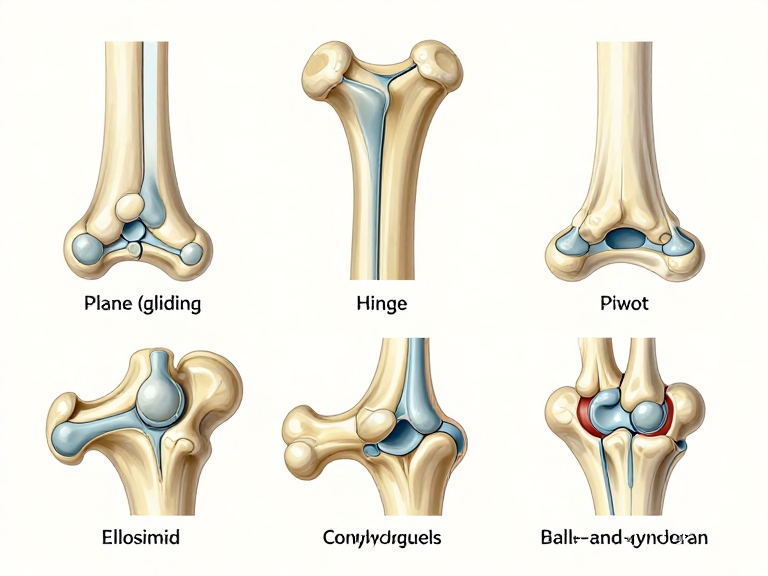
01 · STRUCTURE
Bone
Bone provides the strong framework beneath the cartilage. The bone immediately below a joint surface responds to the loads placed on it and can also be affected by joint disease.

Comfortable movement depends on more than one substance or structure. Cartilage creates smooth surfaces where bones meet, while synovial fluid helps lubricate movable joints. Hyaluronan contributes to the fluid's distinctive thickness and viscoelastic properties. Discover how these components work alongside bones, muscles and connective tissues to support everyday movement.
Explore Joint Health →A healthy joint is more than two bones meeting together. It is a coordinated system of cartilage, synovial fluid, bone, connective tissues and surrounding muscles. Each structure has its own role, but their functions overlap to support movement, stability and everyday physical activity.
Hyaluronan, also called hyaluronic acid, is a naturally occurring molecule found in several tissues throughout the body. In movable synovial joints, it is an important component of synovial fluid. It contributes to the fluid's viscosity and viscoelastic behaviour, helping it perform its lubricating role as the joint moves.
Changes in cartilage, synovial fluid or other joint structures may occur with age, injury or certain conditions. However, no single molecule determines whether a joint will remain comfortable or develop a condition such as osteoarthritis.
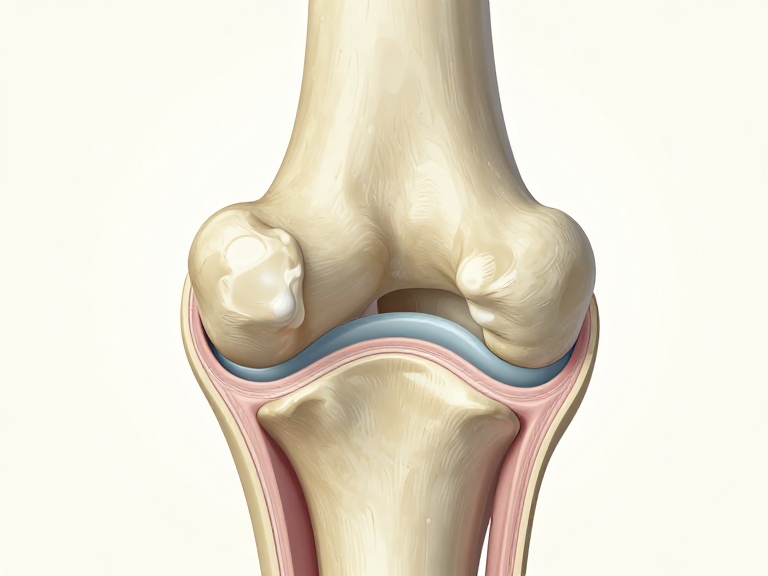
Articular cartilage covers the ends of bones where they meet in many movable joints, including the knees, hips and shoulders. This firm, smooth, specialised tissue helps joint surfaces glide over one another with low friction. It also distributes loads across the bone beneath it when we walk, bend, climb stairs or lift objects.
Cartilage contains a network of collagen fibres, water and other components, including proteoglycans. Together, these elements help it withstand compression while maintaining a smooth surface. Articular cartilage has no direct blood supply, so its maintenance and repair differ from those of many other tissues.
When cartilage becomes damaged or changes over time, joint mechanics may also change. Osteoarthritis involves more than cartilage alone: it can affect the whole joint, including underlying bone and surrounding tissues.
Many freely movable joints are surrounded by a joint capsule and contain a small amount of synovial fluid. This fluid helps reduce friction between moving surfaces and supports the exchange of nutrients and other substances with nearby tissues.
Synovial fluid is not simply water. It contains several substances that contribute to its physical and biological functions. These include hyaluronan and lubricating molecules such as lubricin. Their combined behaviour helps the joint cope with movement and changing mechanical demands.
The fluid is produced and maintained in association with the synovial membrane, the specialised lining inside the joint capsule. Changes related to inflammation, injury or disease may affect the joint lining and the fluid's composition.
Synovial fluid helps reduce friction between moving joint surfaces.
It supports the exchange of nutrients and other substances with nearby joint tissues.
Its composition contributes to the environment in which joint structures function.
Hyaluronan can bind water and helps give synovial fluid its thick, slippery, viscoelastic character. This means the fluid's behaviour changes with the forces and movement applied to it. These properties are part of the joint's natural lubrication system.
However, hyaluronan does not work alone. Synovial fluid contains other components that contribute to lubrication, while the surrounding cartilage and tissues also influence how the joint responds to mechanical stress.
It would therefore be misleading to describe joint health as a matter of simply increasing one molecule. The wider condition of the joint and the individual's health also matter.
Research into hyaluronan and joint conditions continues to inform medical understanding and treatment. The role of a particular hyaluronan-based treatment depends on the product, the condition being treated and the available clinical evidence.
Explore Hyaluronan →A joint is a coordinated system of structures. Each has a different role, but their functions overlap to support movement, stability and the management of everyday physical demands.
Bone provides the strong framework beneath the cartilage. The bone immediately below a joint surface responds to the loads placed on it and can also be affected by joint disease.
This specialised lining surrounds the inner joint space and helps maintain synovial fluid. Inflammation of this lining can influence symptoms and joint function.
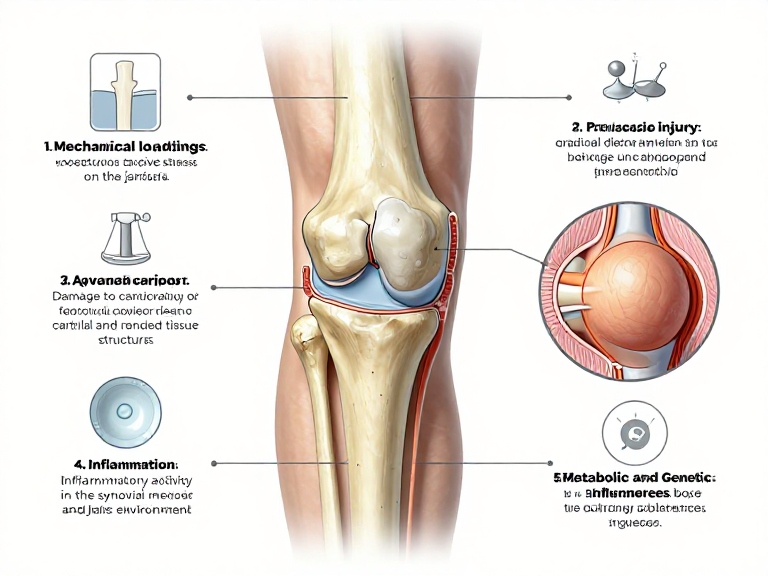
Ligaments connect bones and help stabilise joints. Tendons connect muscles to bones, transferring the force needed for controlled movement.
Muscles generate movement and help control joint position. Strength, coordination and endurance can influence how everyday loads are managed.
These structures interact rather than operating independently. For example, muscles help control the forces passing through a knee, while cartilage and synovial fluid contribute to the way the joint surfaces tolerate movement.
There is no single routine that prevents every joint condition. Still, general habits can support movement, strength and overall health. The most appropriate choices depend on a person's abilities, health conditions and symptoms.
Choose comfortable activities such as walking, swimming or cycling, adapting intensity to your needs.
Suitable strengthening exercises can help muscles support and control movement around joints.
Increase activity progressively and adjust movements that repeatedly aggravate symptoms.
A varied eating pattern supports general health, although no single food can guarantee healthy cartilage.
Joint pain or stiffness can have many causes, from temporary strain to an inflammatory condition or injury. Symptoms should not be dismissed simply because you are exercising or trying to remain active.
Arrange a medical assessment if symptoms persist, worsen, recur or interfere with daily activities. A clinician can consider your symptoms, medical history and physical examination to determine whether further tests or treatment are appropriate.
Cartilage provides smooth, load-distributing surfaces. Synovial fluid helps lubricate the joint, and hyaluronan contributes to its viscoelastic properties. Meanwhile, the joint lining, bones, ligaments, tendons and muscles help maintain a working environment for movement.
Understanding these relationships gives a more balanced picture of joint health. Hyaluronan is an important part of the story, but it is only one part of a much larger system.
Supporting joint function means considering movement, strength, recovery and general wellbeing together. Persistent symptoms deserve individual assessment rather than assumptions about one particular structure or molecule.
Explore the Hyaluronan Guide →
Cartilage, synovial fluid, hyaluronan, bones and surrounding connective tissues all contribute to joint function. Understanding how these structures work together can help create a more informed approach to everyday joint health.
Discover More About Hyaluronan →Health Information Disclaimer: This article is for general educational purposes only and does not replace professional medical advice, diagnosis or treatment. Individual symptoms and treatment options vary. Consult a qualified healthcare professional about concerns involving your joints.
Explore related topics covering joint structure, synovial fluid and the role of hyaluronan in the body's connective tissues.
Explore cartilage and its role in the structure and function of healthy joints.
Read Article →
Learn about synovial fluid and its role in the normal function of movable joints.
Read Article →
Discover how muscles and connective tissues contribute to movement and everyday activity.
Read Article →Continue exploring the role of hyaluronan, synovial fluid and the structures that help support everyday movement.
Explore the Joint Health Guide →