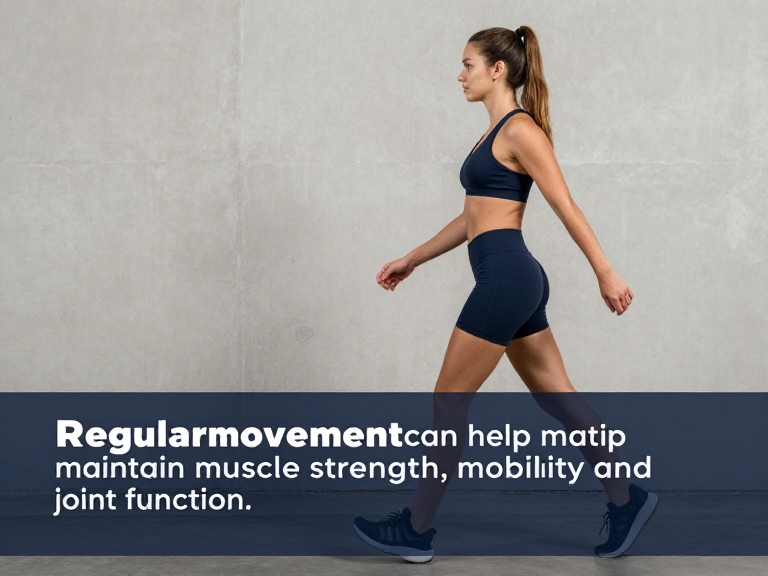
Why movement matters
Movement is an important part of everyday health. Walking to the shops, taking the stairs, gardening, cycling or following a suitable exercise routine all give the body opportunities to move. Regular physical activity supports cardiovascular fitness, muscle strength, balance and general well-being. It can also help people maintain their ability to carry out ordinary tasks.
Joints are part of a connected movement system. Cartilage covers the ends of bones in many movable joints, helping provide a smooth surface. Synovial fluid helps lubricate these joints, while muscles, tendons and ligaments contribute to movement and stability. Staying active helps maintain the strength and coordination of the tissues that support daily movement.
Exercise is not a guarantee against joint conditions, and more intense activity is not always better. The aim is to find an appropriate level of movement and build a routine that suits your current abilities, preferences and health needs. Even short bouts of activity can be a useful starting point when a longer session feels difficult.
Walking: a simple place to start
Walking is accessible to many people and can be fitted into daily life without special equipment. A walk around the neighbourhood, a visit to a local park or a few extra minutes on foot during the day can help reduce long periods of sitting. Pace, distance and terrain can be adjusted to suit personal comfort and fitness.
If you are new to regular activity, begin with a manageable route and duration. You might start with a short walk and add time as it becomes more comfortable. Comfortable footwear, a suitable walking surface and rest breaks when needed can make the experience easier. If balance is a concern, choose a safe, familiar route and consider advice from a healthcare professional.
Walking is not the right choice for every person or every stage of recovery. If walking aggravates a condition or is difficult because of pain, another activity may be more suitable. The goal is regular movement that works for you, rather than following a one-size-fits-all plan.
Swimming and water-based exercise
Water-based activities can be helpful for people who find some land-based movements uncomfortable. Water supports part of the body's weight, which can make moving feel easier for some people. Depending on ability and preference, options include swimming, walking in shallow water or taking part in an appropriate water exercise class.
You do not need to swim lengths to benefit from moving in water. Gentle movements may be a useful alternative for people who are rebuilding confidence or returning to activity. The appropriate activity depends on swimming ability, access to a safe pool, medical needs and personal comfort.
Water exercise still requires sensible pacing. Choose a safe environment, follow pool guidance and seek professional advice if you have a condition that affects exercise safety. If you are recovering from an injury or surgery, ask your care team when water-based activity is appropriate.
Cycling: movement at your own pace
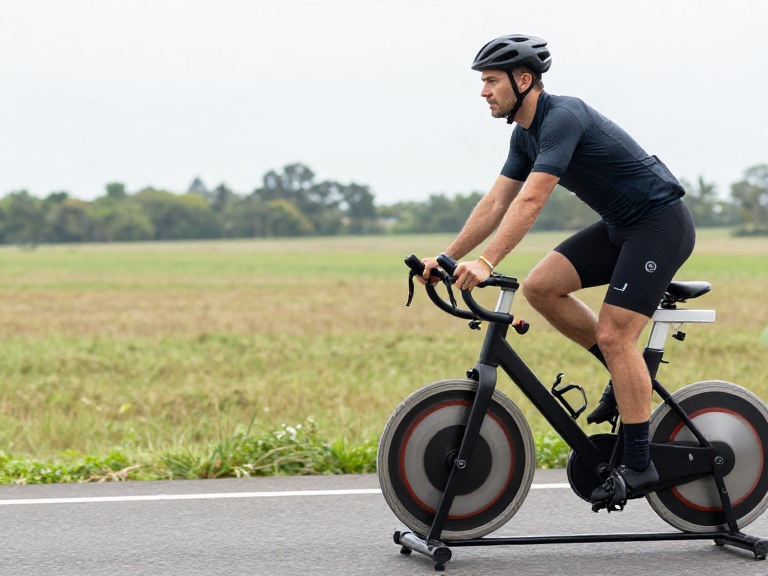
Cycling can provide aerobic activity while allowing the rider to control speed and effort. A stationary bike may be convenient because it offers a stable setting and makes it easy to adjust resistance. Outdoor cycling can also be enjoyable, provided the route, traffic conditions and terrain are appropriate for your abilities.
Comfort and fit matter. A bike that is poorly adjusted may make riding unnecessarily difficult. Start with a comfortable resistance and duration, and increase them gradually if your body responds well. If cycling causes persistent pain, consider adjusting the setup or discussing alternatives with a physiotherapist or other qualified professional.
Strength exercises support movement
Muscles help control movement and support the joints around them. Suitable strength exercises can help maintain muscle capacity for everyday tasks such as standing up from a chair, climbing stairs, carrying shopping or reaching overhead. Strength work does not have to mean lifting heavy weights at a gym.
Depending on ability, it may involve resistance bands, light weights, body-weight movements or exercises recommended by a physiotherapist. The appropriate exercises depend on which joints are involved, a person's current strength and any injuries or medical conditions. Good technique and manageable resistance are more important than attempting to lift as much as possible.
General adult activity guidance commonly includes muscle-strengthening activity on at least two days each week, alongside aerobic movement. This is a broad goal rather than an immediate requirement for everyone. If you are inactive, have significant joint symptoms or are recovering from an injury, begin at a suitable level and increase gradually.
Flexibility, balance and coordination
A well-rounded routine can include more than walking or aerobic exercise. Gentle mobility work can help you practise moving joints through a comfortable range. Activities such as adapted yoga, tai chi or specific physiotherapy exercises may also help with balance, coordination and body awareness.
Balance is especially relevant to activities such as walking on uneven ground, turning or getting up from a chair. Exercises should match your abilities and be performed in a safe environment. If you are at risk of falling, use appropriate support and ask a qualified professional which movements are suitable.
Stretching should feel controlled rather than forceful. Avoid bouncing into a stretch or pushing a joint into a painful position. The goal is comfortable movement, not achieving a particular posture or range of motion at any cost.
Start gradually and build consistency
When establishing a routine, it can be tempting to do too much at the beginning. A sudden increase in duration, intensity or frequency can leave you sore and make it harder to continue. Starting with a manageable amount and building up over time is often more sustainable.
You can split activity into shorter sessions instead of completing everything at once. For example, a few short walks during the day may be more realistic than one long walk. Everyday tasks also provide opportunities to move: stand up periodically, stretch gently, take a short walking break or choose the stairs when appropriate for your abilities.
Some temporary muscle tiredness can occur when you try a new activity. However, sharp pain, increasing swelling, significant instability or symptoms that persist or worsen should not be ignored. Adjust the activity and seek professional guidance if you are unsure what is safe.
Recovery is part of an active routine
Movement and recovery work together. Rest between demanding sessions, sufficient sleep and balanced meals help support general well-being and the body's response to activity. Recovery needs vary with the type of exercise, intensity, age, health and individual circumstances.
If a particular activity repeatedly causes symptoms, consider reducing its duration or intensity, changing the movement or choosing a more comfortable alternative. A healthcare professional can help you find an appropriate balance between activity and rest when joint symptoms or a diagnosed condition affect your routine.
Remember the whole joint
Joint function depends on several structures working together. Cartilage provides a smooth surface, synovial fluid helps lubricate movable joints, and muscles and connective tissues contribute to support and stability. Hyaluronan contributes to the viscosity and lubrication properties of synovial fluid, but it is one part of a much larger system.
The composition and performance of synovial fluid can change with age and certain joint conditions. These changes are only one part of joint health. No single molecule, food or exercise routine determines whether a joint will remain comfortable or develop a condition such as osteoarthritis. Symptoms and treatment options vary from person to person.
Habits that help support joint health
Choose activities that suit your abilities, such as walking, swimming, cycling or appropriate strength exercises. Regular movement can help maintain muscle strength and joint function. Combine activity with balanced nutrition, appropriate recovery and professional advice when needed. Consistency matters more than chasing a perfect routine.
The key takeaway
Keeping moving does not mean exercising intensely every day. It means finding realistic ways to move regularly, strengthening the muscles that support everyday tasks and allowing time for recovery. Walking, swimming, cycling, mobility exercises and appropriate strength training are all possible options.
Start where you are, make adjustments when needed and choose activities you can maintain. If pain, stiffness or swelling limits your movement, a healthcare professional or physiotherapist can help you decide how to stay active safely.