Age-Related Changes

Hearing ability can change gradually as people grow older.

Hearing is an intricate process through which the brain receives and interprets sounds from the surrounding world. Learning the fundamentals can help you better understand how hearing works and why it matters.
think about hearing as part of overall health. Explore How Hearing WorksFrom recognizing a familiar voice to hearing birds outdoors, sound helps us communicate, learn, and understand what is happening around us. Although hearing often feels effortless, it depends on several structures working together in a coordinated way.
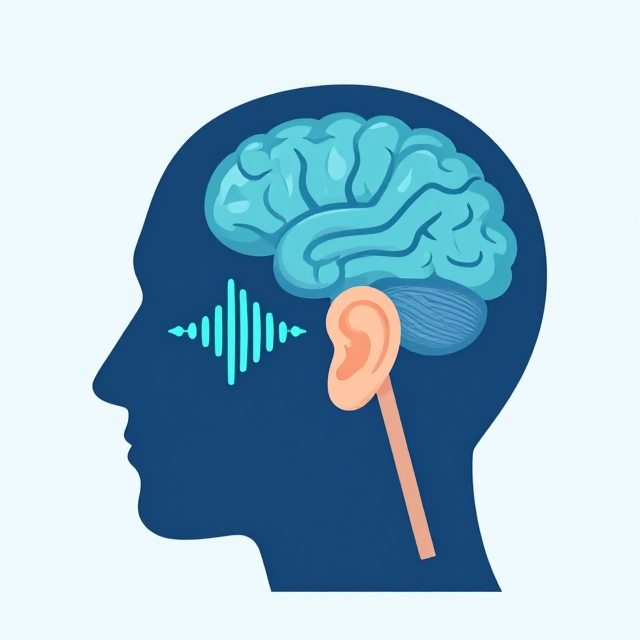
The ears collect sound and convert vibrations into electrical signals. These signals travel along pathways in the nervous system, where the brain processes them into meaningful experiences. This process happens continuously, helping us recognize speech, music, environmental sounds, and changes in our surroundings.
Sound waves enter the ears and create vibrations that move through delicate structures.
The inner ear converts movement into electrical signals carried by the auditory nerve.
The brain processes signals to help us recognize speech, music, and everyday sounds.
Sound begins when something vibrates. A speaker produces vibrations that travel through the air, a musical instrument creates vibrations when played, and vocal cords vibrate when we speak. These vibrations travel as sound waves through a medium such as air or water.
When sound waves reach the ear, they cause delicate structures to move. The auditory system responds to patterns in these vibrations, including differences in frequency and intensity.
Frequency is associated with how high or low a sound seems. Intensity relates to sound level, often described in decibels. The duration of a sound and its pattern over time also influence how we experience it.
The human ear can detect a wide variety of sounds, but hearing ability differs between individuals and may change over time. Loudness, pitch, and the ability to distinguish speech in background noise are related aspects of hearing, not identical measurements.

Sound travels as waves and creates movement inside the ear. The auditory system converts these movements into signals that the brain can understand.
This process allows us to recognize familiar voices, follow conversations, enjoy music, and notice sounds in the environment around us.
The ear is commonly described in three sections: the outer ear, middle ear, and inner ear. Each has a different role in carrying sound toward the nervous system.
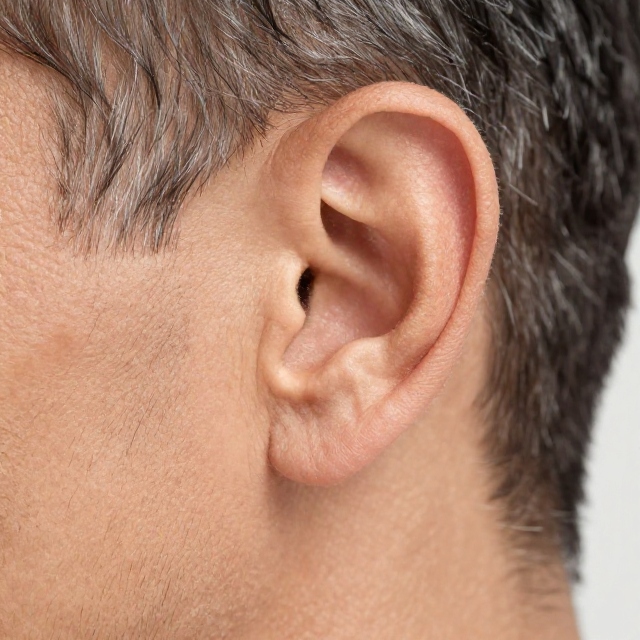
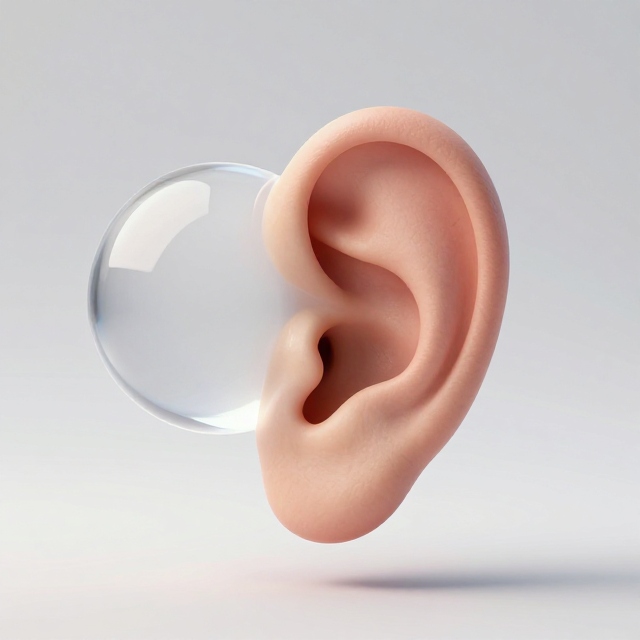

Once the inner ear produces electrical signals, the auditory nerve carries information toward the brain. Signals pass through several processing centers before reaching areas of the brain that contribute to hearing and sound recognition.
The brain does more than detect that a sound exists. It helps distinguish one sound from another, recognize familiar voices, follow speech, and interpret patterns such as music. It also combines information from both ears to help estimate where sounds originate.
For example, when you speak with a friend in a busy room, several sounds may reach your ears at once. Your auditory system and brain work together to identify speech patterns and help focus attention on the person speaking. Background noise can make this task more demanding, especially when speech is quiet or the surrounding environment is loud.
Hearing is therefore not simply a matter of sound entering the ear. It involves sensory structures, nerve pathways, and brain processes that cooperate to make sound meaningful.
Information from the left and right ears helps the brain compare sound timing and level. These differences can assist with locating sound sources and understanding speech in everyday environments.

Hearing helps many people communicate by recognizing speech sounds, changes in tone, rhythm, and other acoustic cues. These details can help distinguish words, identify speakers, and follow the flow of conversation.
Listening also requires attention and interpretation. When several people speak at once, or when background noise is strong, it may become harder to separate the voice you want to hear from other sounds. This can happen even when you can hear some sounds clearly.
Communication is not dependent on hearing alone. People use visual information, context, written language, sign language, and other strategies in different ways. The most useful communication approach depends on each person's preferences and needs.
If you regularly struggle to follow conversations, particularly when this is new for you, consider discussing it with a healthcare professional. Describing the situations where listening feels difficult can help guide a conversation about possible next steps.
Hearing depends on delicate structures and complex neural processes, so several factors can influence how well someone hears. These may include:





Different causes can produce similar experiences, and hearing changes may be temporary or lasting. An appropriate assessment can help determine what may be contributing to an individual's concerns.
Understanding how hearing works can help explain why sensible listening habits matter. Although not every cause of hearing loss can be prevented, reducing avoidable exposure to damaging noise is an important part of hearing care.






Avoid inserting cotton swabs or other objects into the ear canal. If you are concerned about earwax, discomfort, or a blocked sensation, ask a qualified healthcare professional about safe options.
You can explore the World Health Organization's hearing health information for broader guidance about hearing loss and prevention. The National Institute on Deafness and Other Communication Disorders also explains the process of hearing in more detail.

Consider speaking with a healthcare professional if you frequently ask others to repeat themselves, struggle to understand speech, notice persistent ringing in your ears, or feel that your hearing has changed. An assessment may include questions about your health and listening experiences, an examination of the ears, and hearing tests when appropriate.
Sudden hearing loss requires urgent medical assessment. If hearing suddenly decreases in one or both ears over hours or a few days, seek medical care immediately rather than waiting to see whether it resolves. Prompt evaluation can be important because some causes are time-sensitive.
Online articles can help you understand basic anatomy and prepare questions, but they cannot examine your ears or establish the cause of symptoms. A qualified professional can help assess your situation and explain suitable next steps.

Hearing is a remarkable partnership between the ears and the brain. These are the essential points to remember:

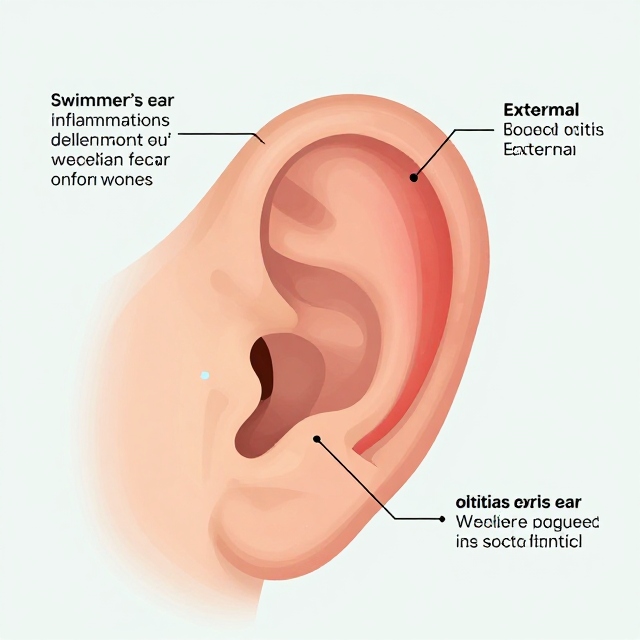

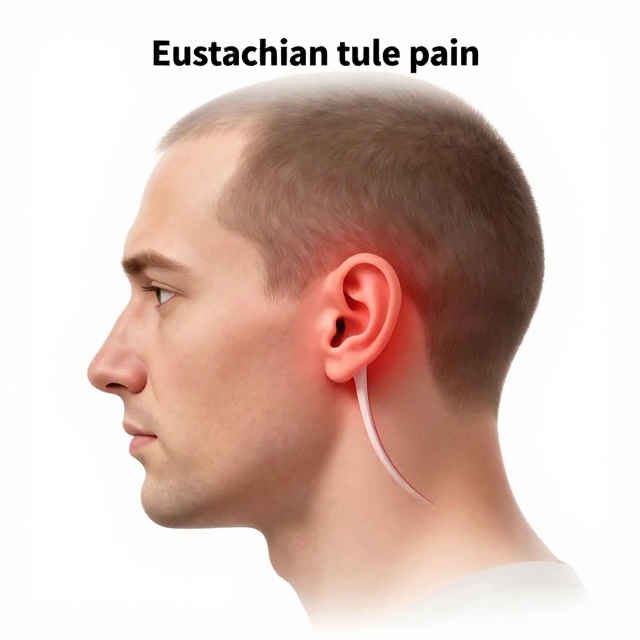

Learning the basics can help you appreciate how sound becomes meaningful and recognize why looking after your hearing is an important part of overall well-being.
Explore these reliable health organizations for additional information about hearing, hearing loss, and ways to support your auditory health.
How Do We Hear? — an explanation of how sound travels through the ear and is processed by the brain.
Hearing Loss — information about hearing health and hearing loss.
Hearing Loss — guidance about hearing loss, symptoms, and seeking advice.
Health information disclaimer: This article is for general educational purposes only and is not a substitute for professional medical advice, diagnosis, or treatment. Consult a qualified healthcare professional about personal hearing concerns. Sudden hearing loss requires urgent medical assessment.
Explore related topics to learn more about hearing awareness, prevention, and everyday wellness.



Learning how the ears and brain work together can help you understand the role hearing plays in communication, everyday experiences, and overall well-being.
Explore Hearing Health