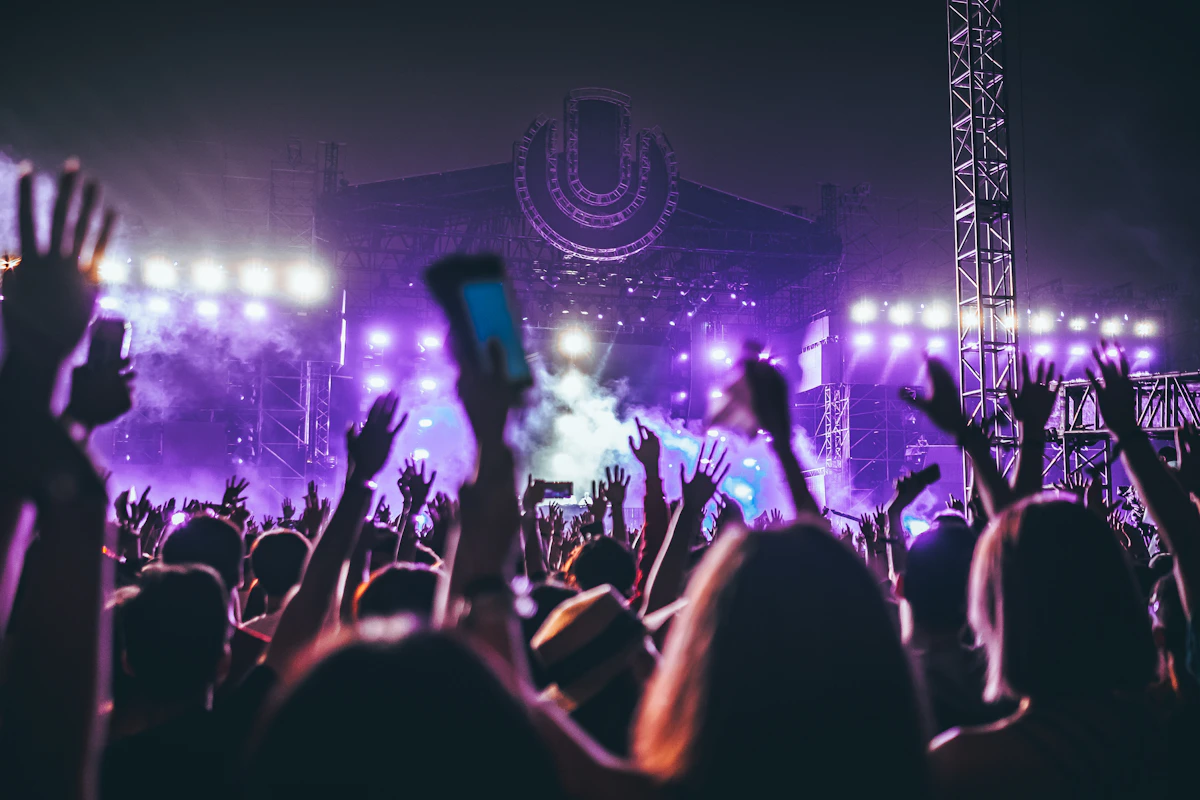
Sound is part of daily life. We listen to music, talk with friends, travel through busy streets and spend time in workplaces and social settings where noise levels can vary considerably. Most sounds are harmless at ordinary levels, but loud sounds and repeated exposure can damage the delicate structures involved in hearing.
Hearing protection is not only relevant to people who work around heavy machinery or attend concerts regularly. Everyday activities can also involve potentially harmful sound, especially when the volume is high, the exposure lasts a long time or loud events happen repeatedly.
The key principle: reduce the loudness of sound reaching your ears, shorten the time you spend around loud noise and use appropriate hearing protection when needed.
1. Understanding Noise Exposure
Sound is commonly measured in decibels (dB). The decibel scale is logarithmic, which means that an increase in the measured level can represent a substantial increase in sound intensity. A difference that looks small on paper can matter when assessing noise exposure.
Everyday sound levels vary widely. A quiet room may feel peaceful, while traffic, power tools, amplified music and industrial equipment can produce much louder environments. The actual level depends on the source, distance, surroundings and how the sound is measured.
There is no single volume threshold that guarantees safety for every person in every situation. Risk depends on both sound level and exposure time, as well as the nature of the sound. Very loud impulse sounds, such as explosions or gunfire, can cause immediate damage. Repeated exposure to loud sound can also lead to lasting hearing loss.

Signs that an environment may be too loud
- You need to raise your voice significantly to speak with someone nearby.
- You have difficulty understanding conversation because of the surrounding noise.
- Your ears ring or sound seems muffled after leaving the environment.
- You feel discomfort or pain from the sound.
- You are regularly exposed to loud equipment, music or machinery.
These signs can be useful warnings, but their absence does not guarantee that an environment is safe. Noise-measuring devices can provide additional information when exposure levels are uncertain.
2. How Loud Noise Can Affect Hearing
Hearing depends on a series of delicate structures in the ear. Sound vibrations travel through the outer and middle ear before reaching the inner ear, where specialized sensory cells help convert vibrations into signals that the brain can interpret.
Excessive noise can damage these sensory cells and related hearing structures. In humans, damaged sensory hair cells in the inner ear do not naturally regenerate in a way that restores normal hearing. As a result, noise-related hearing damage can be permanent.
Loud sound may also cause tinnitus, often described as ringing, buzzing or humming in the ears. Some people experience temporary muffled hearing after a noisy event. Although these symptoms may improve, they should not be treated as proof that the exposure was harmless. Repeated exposure can increase the risk of lasting damage.
Remember: a temporary change in hearing after loud noise is a reason to take future exposure more seriously. Avoid further loud sound and seek professional advice if symptoms persist or concern you.
3. Recognize Noise Risks in Everyday Life
Noise exposure can happen in many settings, not just specialist workplaces. Being aware of where loud sound occurs makes it easier to plan ahead and choose suitable protective measures.
Music and entertainment
Concerts, clubs, festivals, cinemas and sporting events can involve powerful sound systems. The level can vary across different parts of a venue, and standing close to speakers may increase exposure. Consider wearing hearing protection, moving away from loudspeakers and taking breaks in quieter areas.
Personal audio devices
Headphones and earbuds can make listening convenient, but high volume over long periods can put hearing at risk. Background noise may encourage people to increase the volume without realizing how loud it has become.
Choose a comfortable listening level, take regular listening breaks and consider well-fitting noise-cancelling headphones in noisy surroundings. Noise cancellation can reduce the need to turn music up to compete with background sound, but it does not make every listening level safe.
Work, hobbies and home projects
Power tools, lawn equipment, workshop machinery and some household equipment can generate substantial noise. Follow the manufacturer's safety instructions and workplace guidance, and use hearing protection appropriate to the noise and task.
If you regularly work in a noisy environment, ask about a formal noise assessment and the hearing-conservation measures available. Workplace requirements vary by location, and employers may have specific obligations for managing hazardous noise.
4. Choose Suitable Hearing Protection
Hearing protection reduces the sound reaching your ears. Different products are designed for different situations, and the most suitable option depends on the noise level, duration of exposure, activity and fit.

Common types of hearing protection
- Earplugs: fit inside the ear canal or at its entrance. Disposable foam plugs, reusable plugs and custom-fitted options are available.
- Earmuffs: cover the ears and form a seal around them. They can be convenient for certain work tasks and hobbies.
- Special-purpose music earplugs: designed to reduce sound while preserving a more balanced listening experience. Their actual protection depends on the product and fit.
- Electronic hearing protectors: some models help manage environmental sound while reducing exposure to hazardous noise. Check the product's intended use and protection rating.
When choosing a product, look for a recognized protection rating and follow the manufacturer's fitting instructions. Ratings can be measured using different standards, so they should be interpreted according to the applicable label and guidance.
Correct fit is essential. Earplugs that are not inserted properly or earmuffs that do not seal around the ears may provide less protection than expected. In very noisy settings, professionals may recommend a combination of earplugs and earmuffs.
5. Practical Habits for Protecting Your Hearing
Effective hearing protection often involves several small actions rather than relying on one product or strategy. The following habits can help you reduce avoidable exposure.
Keep personal audio at a comfortable level and avoid increasing it simply to overpower background noise.
Move away from speakers, machinery or other intense sound sources whenever practical.
Shorten exposure where possible and take breaks in quieter locations. Breaks help reduce cumulative exposure but do not make an otherwise hazardous sound level safe.
Keep suitable earplugs available for concerts, sporting events, noisy travel and unexpected loud activities.
Replace damaged protectors, follow fitting instructions and keep reusable products clean according to the manufacturer's recommendations.
Ringing, muffled hearing or discomfort after noise exposure should prompt you to reduce further exposure and consider professional guidance.
6. Use Personal Audio Devices Thoughtfully
Personal listening habits can become part of a hearing-protection routine. Rather than focusing only on a specific volume setting, consider how loud the sound is, how long you listen and whether you are in a noisy environment.
Some devices offer volume notifications, listening-level summaries or options to limit maximum output. These features can help you become more aware of your habits, although they may not measure exposure perfectly in every situation.
- Use the lowest volume that lets you listen comfortably.
- Take breaks during long listening sessions.
- Use headphones that fit well and suit your surroundings.
- Avoid raising the volume to compete with traffic or machinery.
- Pay attention to changes in hearing after listening.
There is no universal listening setting that is equally safe for every device and every person. If you are uncertain about your exposure, lower the volume, shorten listening sessions and consult reliable hearing-health guidance.
7. Hearing Checks and Professional Guidance
Hearing checks can help identify changes that might otherwise go unnoticed. An assessment may be useful if you have difficulty understanding speech, regularly need people to repeat themselves, experience persistent tinnitus or have a history of substantial noise exposure.
A hearing-care professional can assess your hearing, discuss your noise exposure and help you understand whether further evaluation or protective measures may be appropriate. The timing of checks depends on your circumstances, symptoms, occupation and applicable workplace guidance.
Do not wait for obvious difficulty before taking preventive steps. Noise-related hearing damage can develop gradually, and early changes may be difficult to recognize in everyday conversation.
Seek urgent care for sudden hearing loss. A sudden change in hearing, especially in one ear, should be assessed urgently. Do not delay medical attention while waiting to see whether it resolves.
8. Make Hearing Protection Part of Your Routine
Hearing protection becomes easier when it is planned in advance. Think about the places you visit, the activities you enjoy and whether you regularly encounter loud sound. A simple plan can help you remember protective measures before you need them.
- Keep a pair of suitable earplugs in your bag or with your event essentials.
- Check expected noise conditions before attending concerts or events.
- Choose quieter locations for conversation when possible.
- Follow workplace safety procedures when using noisy equipment.
- Review your listening habits and replace worn hearing protectors.
Protecting hearing does not mean avoiding music, social events or other enjoyable activities. It means understanding the risks and taking reasonable steps to make those experiences safer.
A Thoughtful Approach to Hearing Health
Noise exposure is a part of modern life, but many risks can be reduced through informed choices. Lowering volume, increasing distance, limiting exposure time and using appropriate hearing protection can all contribute to safer listening and working habits.
The most effective approach is to pay attention to your surroundings and act before symptoms appear. If you notice changes in hearing or persistent ringing, seek professional advice rather than assuming the problem will resolve on its own.
Helpful Resources
These public health resources provide additional information about noise exposure, hearing loss and prevention:
- CDC: Preventing Hearing Loss — practical information on reducing noise-related hearing risks.
- CDC: About Hearing Loss — an overview of hearing loss and its possible causes.
- National Institute on Deafness and Other Communication Disorders: Noise-Induced Hearing Loss — information about noise-related hearing damage and prevention.
- World Health Organization: Safe Listening — guidance on reducing risks from recreational sound exposure.
This article is for general educational and informational purposes only. It is not intended to diagnose, treat, cure or prevent any disease and does not replace individualized medical advice. Noise levels, exposure conditions and individual needs vary. Consult a qualified healthcare or hearing-care professional about hearing changes, persistent tinnitus or questions about suitable hearing protection. Sudden hearing loss requires urgent medical assessment.