Sudden Loud Sounds
A single intense sound, such as an explosion or extremely loud impulse noise, can cause immediate injury to hearing.

Would you like to learn more about protecting your hearing over time? Discover how everyday noise affects your ears and explore simple habits that can help protect your hearing at work, at home, and during leisure activities.
Explore Hearing ProtectionHearing plays an important role in everyday life. It helps us enjoy music, follow conversations, notice sounds around us, and stay connected with other people. Yet hearing protection is easy to overlook, especially when loud noise is part of a familiar routine.
Concerts, power tools, loud headphones, traffic, and noisy workplaces can all expose our ears to sound at levels that may be harmful. The good news is that practical steps can reduce exposure and help protect hearing over time.
Be aware of loud environments and limit the time you spend around excessive noise.
Choose properly fitting earplugs or protective earmuffs when noise levels require them.
Keep listening volumes moderate, take breaks, and pay attention to changes in hearing.
Sound travels into the ear and is converted into signals that the brain interprets. Very loud sounds, or repeated exposure to excessive noise, can damage delicate structures in the inner ear. Noise-related hearing loss may develop gradually, so changes are not always obvious at first.
You might initially notice that speech is harder to understand in busy places, that sounds seem muffled after a noisy event, or that you experience ringing in your ears. These symptoms can have different causes, but they are worth taking seriously—particularly after loud noise exposure.
According to the US Centers for Disease Control and Prevention (CDC) , noise-induced hearing loss can result from either a single very loud sound or exposure to loud sounds over time. Prevention matters because noise-related hearing damage can be permanent.
A single intense sound, such as an explosion or extremely loud impulse noise, can cause immediate injury to hearing.
Regular exposure to loud environments can gradually damage delicate inner-ear structures, even when the changes are not immediately noticeable.
Noise-related hearing damage can be permanent, which makes reducing unnecessary exposure an important part of prevention.
Noise exposure is not limited to concerts or industrial workplaces. The level of sound, how long you are exposed, and how often exposure happens all influence risk.
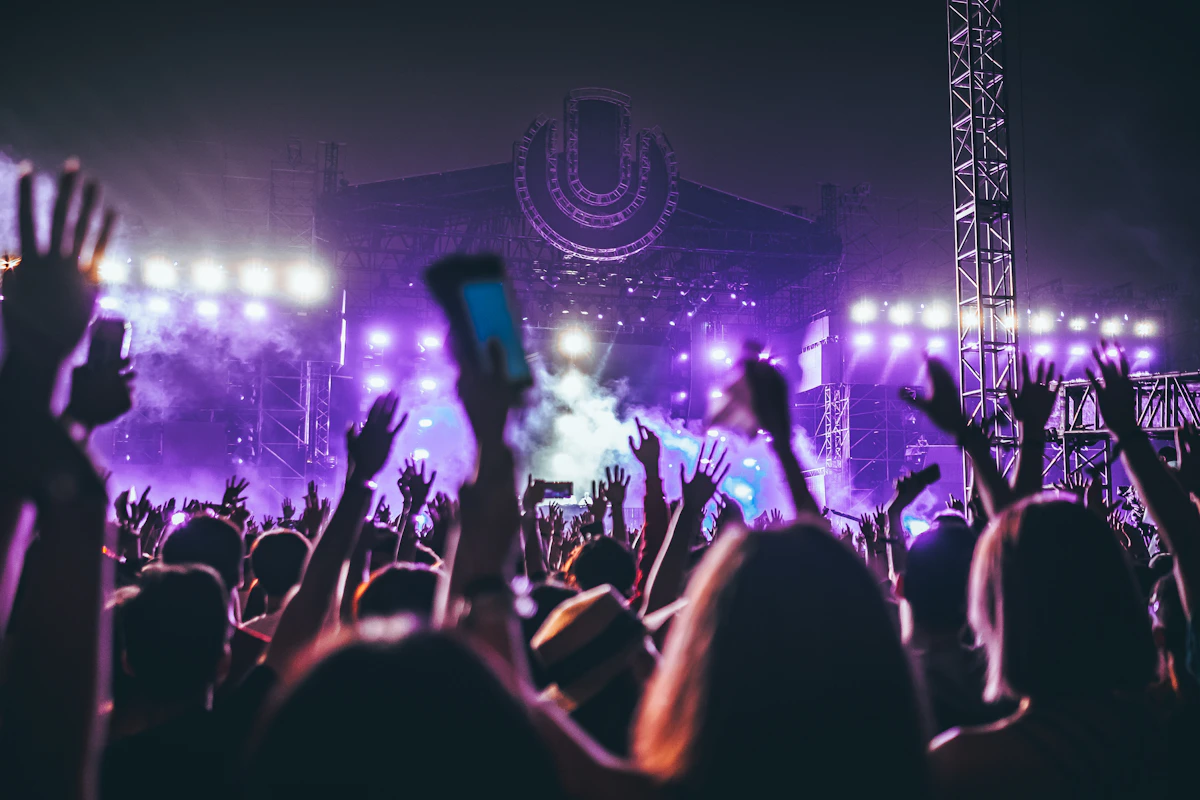
Many familiar activities can expose your ears to potentially harmful sound levels. Being aware of where noise occurs is the first step towards reducing exposure.
At concerts and other loud events, distance, breaks, and suitable hearing protection can help reduce exposure.
Amplified sound can reach high levels, particularly when you stand close to speakers.
Listening at high volumes for long periods can increase the risk of noise-related hearing damage.
Lawn equipment, drills, and workshop machinery may produce hazardous noise.
Repeated exposure to loud engines can put hearing at risk.
Factories, construction sites, and other loud work environments may require formal hearing protection.
Explosions, fireworks, or other sudden intense sounds can cause immediate injury.
Protecting your hearing does not have to involve complicated changes. Small, practical adjustments to everyday listening habits and noisy activities can help reduce unnecessary exposure.
Keep personal listening devices at a comfortable volume and avoid increasing it to overcome surrounding noise. If you regularly listen through headphones, take breaks and consider using well-fitting noise-isolating or noise-cancelling headphones so you do not feel the need to turn the sound up.
Distance can make a meaningful difference. At a concert, avoid standing directly beside speakers. Around loud equipment, use a quieter area when possible and follow workplace safety guidance.
Give your ears time away from loud environments. During a concert or event, take breaks in a quieter area. Remember that a break does not make unlimited noise exposure safe; reducing the intensity and total duration of exposure is important too.
Earplugs and protective earmuffs can reduce the amount of sound reaching your ears. Choose protection suited to the environment and follow the manufacturer's instructions. Proper fit matters: poorly fitted earplugs may provide much less protection than expected.
Keep suitable earplugs available in places where you might need them, such as concerts, workshops, or motorsport events. Planning ahead makes it easier to protect your hearing before the noise starts rather than after your ears begin to feel uncomfortable.
Remember: If you need to shout to be heard by someone standing close to you, the environment may be loud enough to warrant extra caution. Do not rely on discomfort alone as a warning—potentially harmful sound levels are not always painful.

Comfortable listening habits include keeping volume moderate and taking regular breaks. Avoid turning up the sound simply to block out background noise.
Consider using well-fitting noise-isolating or noise-cancelling headphones when appropriate. They may help reduce the temptation to increase volume in noisy surroundings.
Remember that listening time matters as well as volume. Giving your ears regular periods of quiet can help reduce overall exposure.
After loud sound exposure, some people notice temporary muffled hearing or ringing in their ears. Even if these symptoms disappear, they should not be treated as proof that the exposure was harmless. Repeated exposure can increase the risk of lasting damage.
Other signs of possible hearing loss include difficulty understanding conversations in noisy places, asking people to repeat themselves frequently, or turning up the television more than others prefer. These symptoms do not establish a diagnosis, but they are reasons to consider a hearing assessment.
Sounds may seem less clear or temporarily muffled after exposure to loud noise.
Some people experience ringing or other sounds in their ears after noisy activities.
Conversations may become harder to understand, particularly in busy or noisy environments.
When to seek professional advice: If you notice persistent ringing, changes in hearing, or difficulty following speech, contact a healthcare professional or hearing specialist. Sudden hearing loss, particularly if it develops over hours or a few days, needs urgent medical assessment.
Protecting your hearing does not have to mean avoiding music, social events, or activities you enjoy. It means making informed choices: keeping listening volumes reasonable, using suitable protection around loud sounds, and giving yourself breaks when possible.
Small decisions repeated over time can help reduce unnecessary noise exposure. Pay attention to the environments you spend time in, plan ahead for loud activities, and seek professional advice if you notice changes in your hearing.
Notice when everyday activities become unusually loud and consider ways to reduce your exposure.
Keep suitable hearing protection available before concerts, workshops, and other noisy activities.
Keep headphone volume comfortable and take regular breaks from personal audio.
Step away from loud environments when possible and reduce the overall duration of noise exposure.
Take persistent ringing, muffled hearing, or difficulty understanding speech seriously.
Contact a healthcare professional if you notice changes in your hearing. Sudden hearing loss requires urgent assessment.
Your hearing is part of how you experience the world. Looking after it today can help you continue enjoying conversations, music, and everyday sounds in the years ahead.
Explore Hearing HealthDisclaimer: This article is for general educational purposes only and is not a substitute for professional medical advice, diagnosis, or treatment. If you have concerns about your hearing, consult a qualified healthcare professional. Sudden hearing loss requires urgent medical assessment.