
COGNITIVE FUNCTION
Thinking and Memory
Attention, learning, reasoning, decision-making and remembering information help us understand situations and manage everyday tasks.

Supporting the mind starts with understanding the whole picture. Explore the everyday factors that influence brain health, discover botanicals being investigated by researchers and learn why a balanced approach matters.
Explore Brain HealthBrain health is influenced by many interconnected factors, including sleep, physical activity, nutrition, stress, cardiovascular health and social connection. No single food, herb or supplement can replace these foundations.
Some plants and natural compounds contain nutrients and bioactive substances that researchers are investigating for their possible effects on the nervous system and cognitive function.
This guide introduces eight botanicals commonly discussed in this area. It also distinguishes traditional uses and early research from benefits that have been demonstrated in well-designed human studies.
A useful starting point is to understand what brain health means, how everyday habits contribute to it and why scientific evidence needs to be considered carefully before drawing conclusions about supplements.
Brain health involves more than memory. It includes several abilities that help us think, communicate, move, learn and participate in everyday life.
Attention, learning, reasoning, decision-making and remembering information help us understand situations and manage everyday tasks.

The brain plays an important role in processing emotions, responding to challenges and adapting to changing circumstances.

Language, understanding and social interaction help us build relationships, share experiences and remain connected with others.

The brain depends on the rest of the body. It needs a steady supply of oxygen and nutrients, healthy blood circulation and communication between different parts of the nervous system.
Sleep, movement, nutrition and emotional well-being can influence one another. For example, poor sleep may affect concentration and mood, while ongoing stress can make it harder to maintain healthy routines.
Cardiovascular health is also relevant. Blood pressure, blood sugar and cholesterol are among the factors that healthcare professionals consider when assessing overall health and long-term neurological risk.
This is why brain health is best approached as part of overall well-being rather than as a separate goal.
Healthy habits cannot guarantee that cognitive problems will never occur. However, they support general health and address several factors associated with brain function throughout life.

Sleep supports attention, learning, memory and emotional regulation. Consistent sleep routines and a comfortable sleeping environment can help support healthy rest.
Sleep needs vary, but most adults should aim for at least seven hours regularly. Persistent sleep difficulties, loud snoring or excessive daytime sleepiness deserve professional attention.

Regular movement supports cardiovascular fitness, circulation, mood and general physical health. These benefits are relevant to the systems that help the brain function.
Walking, cycling, swimming, dancing and strength exercises can all form part of an activity routine. Choose activities that suit your abilities and health needs.
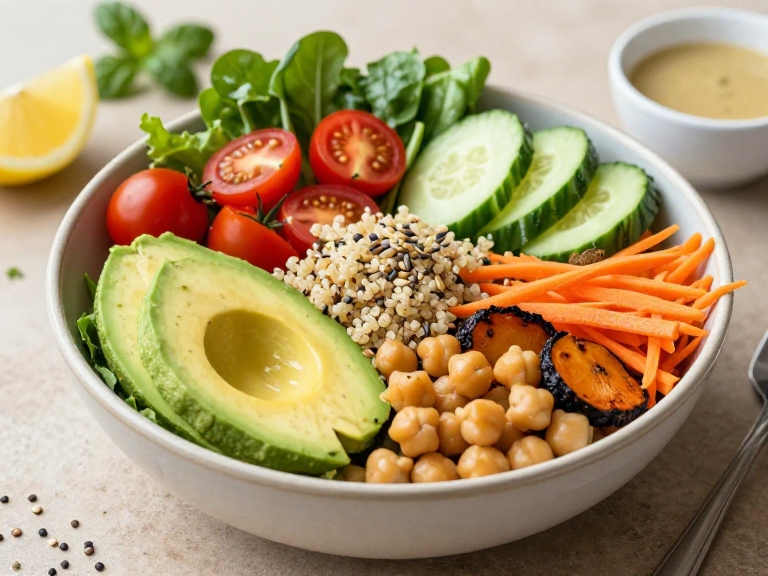
The brain requires energy and nutrients to function. A varied eating pattern that includes vegetables, fruits, whole grains, legumes, nuts and healthy fats can help provide them.
Rather than relying on one so-called brain food, focus on the overall quality and variety of your diet.

Ongoing stress can affect sleep, mood, concentration and everyday routines. Finding manageable ways to respond to stress can support emotional well-being.
Regular breaks, time outdoors, breathing exercises, hobbies and supportive relationships may help with everyday pressures.

The brain relies on blood vessels to deliver oxygen and nutrients. High blood pressure, diabetes and unhealthy cholesterol levels can affect blood vessels and contribute to health risks.
Appropriate health checks, medical guidance and management of existing conditions are important parts of long-term well-being.

Relationships and social interaction provide opportunities for communication, shared activities and emotional support.
Make time for family, friends, community activities or conversations. Meaningful connection can contribute to a healthier and more fulfilling life.
Plants, mushrooms and algae contain naturally occurring substances such as polyphenols, pigments, polysaccharides and other bioactive compounds. Scientists study these substances to understand how they interact with biological processes.
Some research focuses on antioxidant activity, inflammation, communication between nerve cells or other mechanisms that may be relevant to the nervous system.
These areas of investigation are scientifically interesting, but a biological effect observed in a laboratory does not automatically translate into a meaningful benefit for memory or thinking in people.
The quality of human evidence, the preparation used, the amount studied and the duration of research all matter when evaluating a botanical.

The following ingredients have attracted attention in traditional practices, nutritional research or scientific studies. Their evidence varies, and none should be considered a replacement for established approaches to brain health.
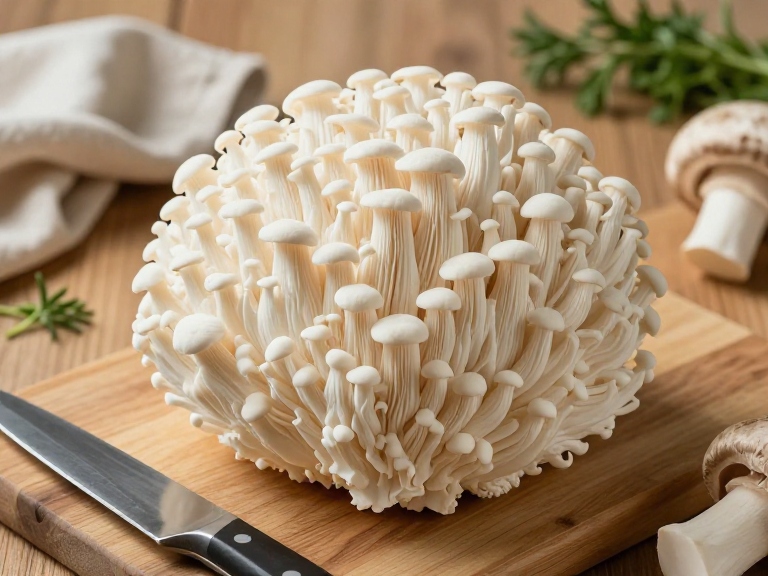 EDIBLE MUSHROOM
Hericium erinaceus
Lion's Mane is an edible mushroom known for its distinctive white, cascading spines. It contains compounds called hericenones and erinacines that have attracted interest in nervous system research.
Small human studies have investigated possible cognitive effects, but findings have been mixed. Larger and longer clinical trials are needed.
Evidence perspective: Early research is interesting, but Lion's Mane is not an established treatment for memory problems or neurological conditions.
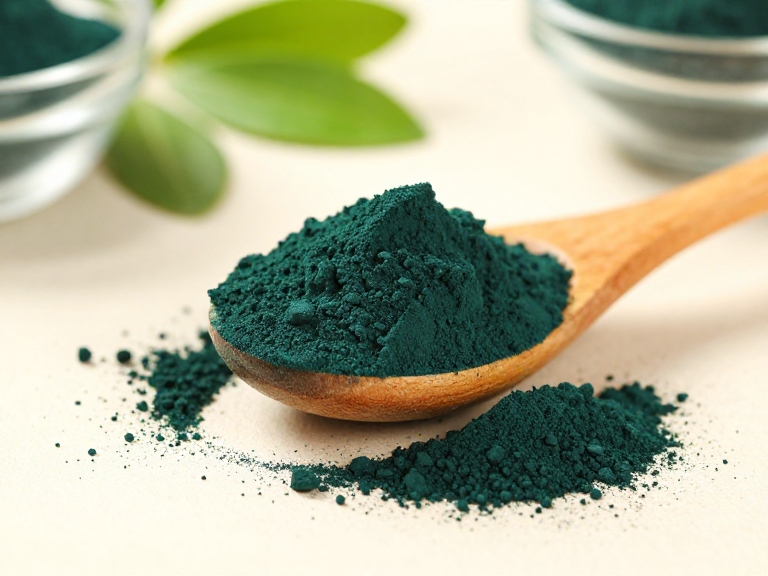 BLUE-GREEN MICROALGA
Arthrospira species
Spirulina is a nutrient-rich cyanobacterium used in foods and dietary supplements. It contains protein, pigments such as phycocyanin and other naturally occurring compounds.
A small clinical trial has explored a Spirulina extract and memory measures in older adults with mild cognitive impairment. This is an area for further research, not proof of a general cognitive benefit.
Evidence perspective: One small study cannot establish that Spirulina prevents cognitive decline or improves memory in the wider population.
 GREEN MICROALGA
Chlorella species
Chlorella is a single-celled freshwater green alga that contains chlorophyll, carotenoids, protein and other nutrients. It is commonly sold as a powder or dietary supplement.
Researchers have explored its possible relationship with the gut microbiome, inflammation and brain-related processes. Much of the evidence is preclinical, and human studies remain limited.
Evidence perspective: Chlorella is a nutritional ingredient of research interest, but its direct effects on human cognitive health are not established.
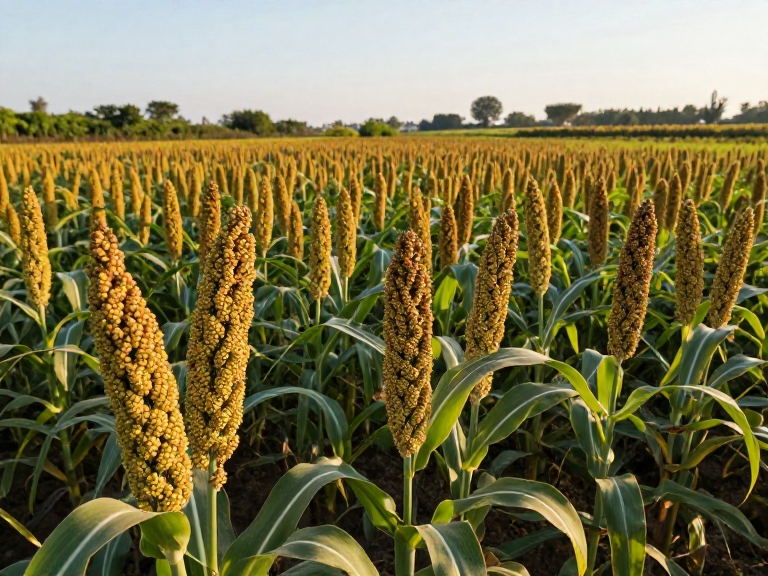 NUTRIENT-RICH PLANT
Moringa oleifera
Moringa is a tree whose leaves are used in foods and traditional preparations. They contain nutrients and plant compounds, including polyphenols and carotenoids.
Laboratory and animal studies have investigated antioxidant and anti-inflammatory properties that may be relevant to nervous system research. Direct human evidence for cognitive benefits is insufficient.
Evidence perspective: Moringa can be part of a varied diet, but it is not a proven memory or brain-health treatment.
 TROPICAL FRUIT
Tamarindus indica
Tamarind is a tropical tree known for its tangy fruit pulp. It is used in cuisines around the world and contains organic acids, polyphenols and other plant compounds.
Some laboratory and animal research has explored its antioxidant properties. However, there is not enough reliable human evidence to conclude that tamarind improves memory or protects against cognitive decline.
Evidence perspective: Tamarind is a food ingredient, not an established cognitive health supplement.
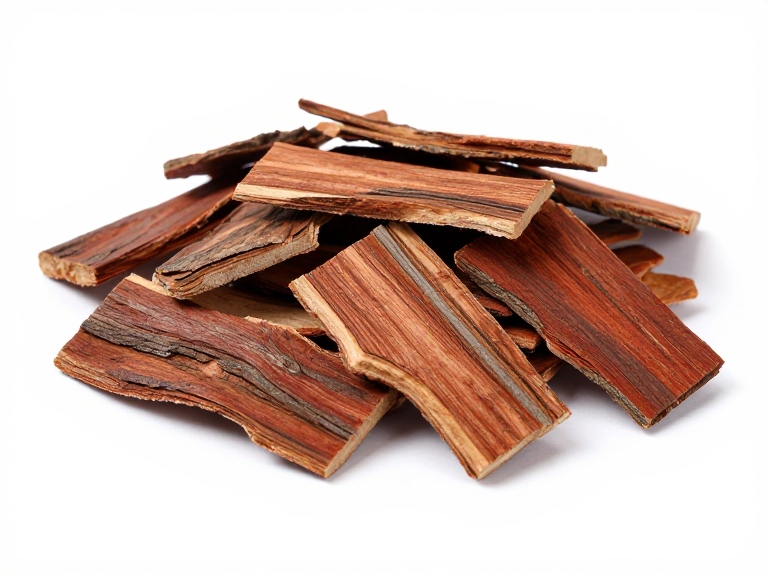 TREE BARK EXTRACT
Pinus pinaster
Maritime pine bark extracts contain plant compounds called procyanidins and other polyphenols. Pycnogenol is a branded extract made from French maritime pine bark.
Some clinical studies have examined specific standardised extracts and cognitive measures. However, findings from a particular branded preparation cannot automatically be applied to all pine bark products.
Evidence perspective: Research is developing, and the findings require careful interpretation, particularly when studies are small or involve specific products.
 TRADITIONAL HERB
Ginkgo biloba
Ginkgo is a tree with a long history of traditional use. Its leaves are used to make extracts containing flavonoids and terpene compounds. It has been widely studied in connection with memory and cognitive function.
Large studies have not shown that Ginkgo prevents dementia or reliably slows cognitive decline. Evidence for improving cognitive performance in healthy people is also uncertain.
Evidence perspective: Ginkgo is extensively researched, but it is not proven to prevent dementia. It can also interact with medicines, including some blood-thinning drugs.
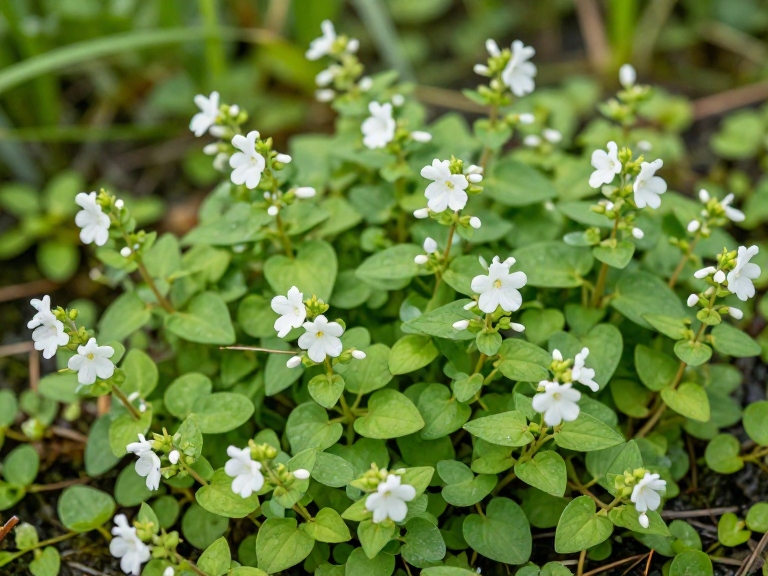 TRADITIONAL HERB
Bacopa monnieri
Bacopa, sometimes called Brahmi, is a creeping herb used in traditional Ayurvedic practices. Its naturally occurring compounds, including bacosides, have been investigated for possible effects on memory and attention.
Some small human studies and reviews suggest possible improvements in selected memory measures. However, the studies differ in their methods and preparations, and stronger evidence is needed.
Evidence perspective: Bacopa has some preliminary human research, but it has not been established as a treatment for cognitive decline.

Many botanicals have a long history of traditional use. This history can help researchers identify ingredients worth studying, but traditional use alone does not demonstrate that a product is effective or safe for a particular purpose.
Laboratory research can help identify compounds and explore possible biological mechanisms. Animal studies can provide additional information, but their findings do not necessarily predict what will happen in people.
Human clinical trials provide more direct evidence. Their reliability depends on factors such as the number of participants, study design, duration, comparison group and the outcomes being measured.
Even when a study reports a positive result, further research may be needed to determine whether the effect is meaningful, repeatable and relevant to everyday health.
A careful approach helps separate scientific evidence from advertising language and unsupported promises.
Check the full botanical name, plant part, extract type and amount. Products containing the same plant may have different compositions.
Look for well-designed human studies rather than relying only on laboratory experiments, animal research or traditional claims.
Be cautious about promises of rapid memory improvement, guaranteed cognitive protection or prevention of neurological diseases.
Natural products can cause side effects and interact with medicines. Ask a qualified healthcare professional before using them.
Sustainable routines are often more useful than searching for a single ingredient or quick solution.
Try to maintain regular sleeping and waking times. Reduce distractions before bed and make your sleeping space comfortable.
Add movement to your day in ways that suit your lifestyle. Short walks, active breaks and enjoyable exercise can all contribute to regular activity.
Include different vegetables, fruits, whole grains, legumes, nuts and healthy fat sources in your usual eating pattern.
Read, learn a skill, solve puzzles, practise a language or explore an activity that keeps you curious.
Make time for conversations, shared interests and meaningful relationships. Social interaction is part of overall well-being.
Follow professional advice for blood pressure, blood sugar, cholesterol and other health concerns that may influence long-term well-being.
It is understandable to be interested in foods, herbs and supplements that might support memory or concentration. However, brain health develops within a much wider context of physical health, daily habits, environment and individual circumstances.
A botanical may contain compounds that are worth studying, but this does not mean that taking it will produce a noticeable benefit or prevent a health condition.
The most responsible approach is to build healthy foundations, understand the limits of current research and seek professional guidance when considering supplements.
Progress does not need to involve dramatic changes. Small, consistent choices can help support a healthier lifestyle over time.
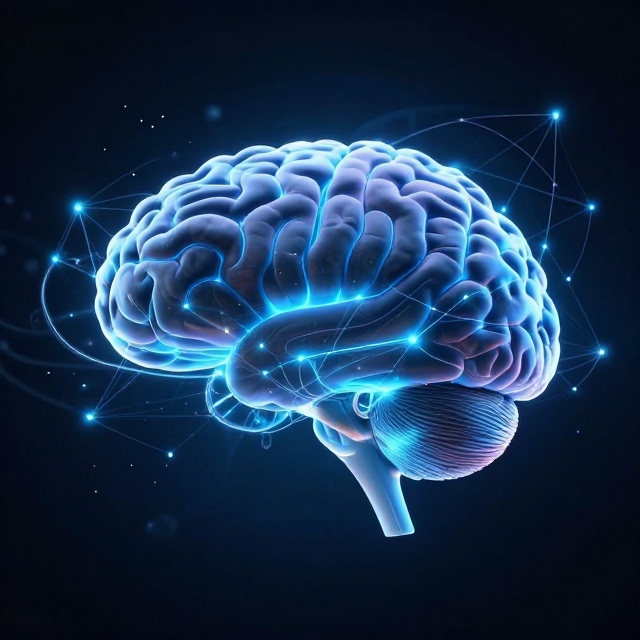
Brain health is influenced by many parts of everyday life. Sleep, nutrition, movement, cardiovascular health, stress management and social connection all deserve attention.
Botanicals can be interesting subjects for scientific research, but their possible benefits should be considered in context. Reliable information, realistic expectations and professional guidance help make health decisions more informed.
Explore Brain HealthThis article is provided for general educational purposes only. It is not intended to diagnose, treat, cure or prevent any disease and should not be considered medical advice.
Research into botanicals and cognitive health is ongoing. Evidence differs between ingredients, extracts and study populations. Findings from laboratory or animal research do not establish that an ingredient is effective in people. Even promising human studies may be limited by small sample sizes, short durations or differences in research methods.
Dietary supplements can cause side effects and interact with prescription medicines. Ginkgo, for example, may increase bleeding risk when used with certain medicines. Some herbal and botanical products may also be unsuitable for people with particular health conditions.
Speak with a qualified healthcare professional before starting a supplement, especially if you take medication, have an existing health condition, are pregnant or are breastfeeding. Do not stop or change prescribed treatment based on information about supplements.
If you notice persistent or worsening changes in memory, thinking, language or everyday functioning, seek advice from a healthcare professional rather than attempting to self-diagnose or self-treat.
Continue exploring the relationship between brain function, everyday wellness and ingredients being investigated by researchers.

Discover the role of memory, learning and everyday cognitive functions, with an introduction to eight botanicals.
Read article →
Explore the relationship between melatonin, sleep and the body's natural daily rhythms.
Read article →
Learn more about plants, mushrooms and natural compounds discussed in connection with cognitive health.
Explore botanicals →These organisations and research resources provide further information about brain health, cognitive function and the evidence behind dietary supplements.
Explore the WHO overview of brain health and the physical, social and environmental factors that influence it throughout life.
Visit WHO →Read the WHO position paper describing a broad approach to brain health promotion and prevention.
Read the position paper →Learn what current research says about supplements promoted for memory, cognitive function and dementia.
Explore the evidence →Review the evidence on Ginkgo Biloba, including its possible uses and important safety considerations.
Read about Ginkgo →Explore an evidence review discussing Lion's Mane, human research and current knowledge gaps.
Read the review →Learn about traditional use, clinical studies and the limitations of current Bacopa research.
Read the review →