BRAIN HEALTH · EVERYDAY HABITS

Eat a Varied Diet

Nourishing your body with a range of foods is one practical part of supporting long-term well-being. Discover how everyday food choices can contribute to a balanced approach to brain health.

Explore the article

Good Nutrition Starts With Variety

The brain is an active organ that relies on a steady supply of energy and nutrients to carry out its many functions. Food provides the carbohydrates, fats, proteins, vitamins, minerals and other compounds that the body needs to function.

Rather than focusing on one particular food or nutrient, a varied eating pattern can help provide a broad range of nutritional components. Vegetables, fruits, whole grains, healthy fats and sources of protein each contribute something different to everyday nutrition.

Research has explored connections between overall dietary patterns and cognitive health. Patterns that include a variety of plant foods, legumes, nuts, fish and unsaturated fats have been associated with more favourable brain-health outcomes in some studies. However, these findings do not mean that any single food can prevent memory problems or guarantee protection against cognitive decline.

The aim is not to follow a perfect diet. It is to build realistic, enjoyable eating habits that provide variety and fit your individual needs.

Why Eating a Variety of Foods Matters

Different foods provide different combinations of nutrients. Including a range of food groups can help make everyday meals more balanced and nutritionally diverse.

A colourful selection of fresh vegetables
VITAMINS & FIBRE

Vegetables

Vegetables provide fibre, vitamins, minerals and a variety of naturally occurring plant compounds. Dark leafy greens, broccoli, carrots, peppers and other colourful vegetables can all contribute to a varied eating pattern.

Fresh fruit including berries and citrus
NATURAL NUTRIENTS

Fruits

Fruits offer fibre, vitamins, minerals and plant compounds. Berries, apples, citrus fruits and other seasonal choices can add variety, colour and natural sweetness to meals and snacks.

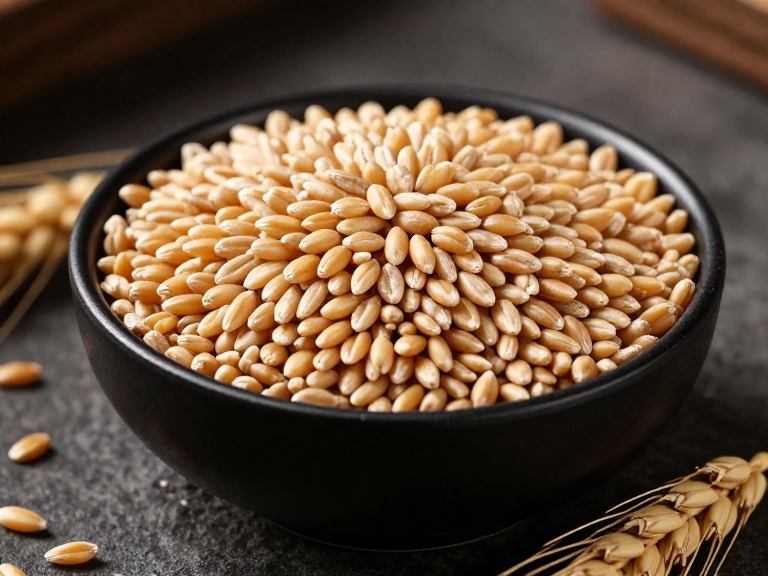
Whole-grain bread and grains
FIBRE & ENERGY

Whole Grains

Oats, brown rice, whole-wheat bread, barley and other whole grains provide carbohydrates for energy, along with fibre and other nutrients. Choosing whole grains regularly can help increase dietary variety.

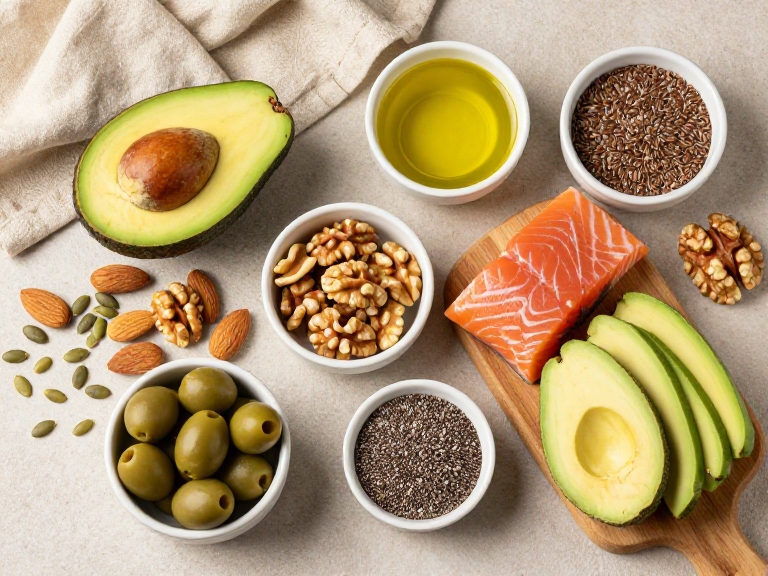
A balanced meal with vegetables and healthy fats
UNSATURATED FATS

Healthy Fats

Olive oil, nuts, seeds, avocados and oily fish provide sources of unsaturated fats. These foods can form part of a balanced eating pattern when included in suitable portions.

A meal with beans, vegetables and protein-rich foods
PROTEIN & NUTRIENTS

Sources of Protein

Beans, lentils, chickpeas, eggs, fish, poultry, dairy products, tofu, nuts and seeds can all contribute protein. Including different sources helps add variety to meals.

A colourful assortment of fresh and minimally processed foods
BALANCED EATING

Variety Across Food Groups

Combining different food groups throughout the day can help provide a wider range of nutrients than relying on only a few familiar foods.

A colourful balanced meal with vegetables and plant-based foods

Think About the Whole Eating Pattern

Nutrition research often examines the foods people eat over time rather than looking at individual ingredients in isolation.

Mediterranean-style and MIND-style eating patterns are examples that have been studied in relation to cognitive health. They commonly emphasise vegetables, fruits, whole grains, beans, nuts, fish and unsaturated fats.

Research has found associations between some of these dietary patterns and more favourable cognitive outcomes. However, studies differ in design and results, and researchers are still investigating how diet may influence brain health over the long term.

A varied eating pattern is one part of a broader approach that also includes physical activity, quality sleep, social connection and attention to cardiovascular health.


Practical Ways to Add More Variety

Small adjustments can make meals more diverse without requiring complicated recipes or strict food rules.

01

Add Colour to Your Plate

Include vegetables and fruits in different colours throughout the week. Try adding berries to breakfast, leafy greens to lunch or roasted vegetables to an evening meal.

02

Choose Whole Grains More Often

Experiment with oats, barley, brown rice or whole-grain bread. These can be practical alternatives to more refined grain products.

03

Include Plant-Based Proteins

Add beans, lentils, chickpeas, tofu, nuts or seeds to meals. These foods provide protein and can also contribute fibre and other nutrients.

04

Explore Different Healthy Fats

Use olive oil in suitable dishes, add a handful of nuts or seeds, or include fish when it fits your preferences and dietary needs.

05

Try Seasonal Foods

Seasonal produce can introduce new flavours and textures. Frozen and canned vegetables or fruits can also be useful options, depending on their ingredients.

06

Keep Meals Enjoyable

Choose foods you enjoy and build meals around your routine, culture, budget and preferences. A sustainable eating pattern should be practical as well as nutritious.

Consistency Matters More Than Perfection

Eating well does not mean every meal has to contain every food group or that favourite foods must be avoided. Overall patterns matter more than individual meals.

Some days will naturally look different from others. What matters is developing habits that are realistic enough to maintain over time. Planning a few varied meals, keeping convenient nutritious foods available and trying one new ingredient occasionally can all help.

Individual nutritional needs can vary according to age, activity level, health conditions, allergies, medication use and personal circumstances. There is no single eating pattern that is suitable for everyone.

If you have a medical condition, specific dietary requirements or concerns about nutritional deficiencies, a qualified healthcare professional or registered dietitian can help you choose an approach that meets your needs.

Make Variety Part of Your Routine

A varied diet is not about finding one perfect food. It is about bringing together different nourishing choices over time. By including vegetables, fruits, whole grains, healthy fats and sources of protein, you can build a balanced foundation for overall health and well-being.

Explore Brain Health

Health Information Disclaimer

The information on this page is provided for general educational purposes only. It is not intended to replace professional medical advice, diagnosis or treatment. Nutrition and brain-health research continues to develop, and dietary patterns associated with better health outcomes do not guarantee prevention of cognitive decline or any medical condition.

Individual nutritional needs vary. If you have a medical condition, take medication, have food allergies or are considering significant dietary changes, consult a qualified healthcare professional or registered dietitian for personalised guidance.

More on Brain Health

Explore related topics to learn more about everyday habits, nutrition and the ingredients being studied in brain-health research.

A peaceful outdoor setting
EVERYDAY HABITS

Stay Physically Active

Discover how regular movement supports cardiovascular health, general well-being and an active lifestyle.

Read article →
A calm and restful bedroom
REST & RECOVERY

Prioritise Regular Sleep

Learn why consistent sleep routines are an important part of supporting memory, attention and everyday health.

Read article →
A selection of fresh natural ingredients
BOTANICALS

Eight Botanicals Worth Understanding

Explore selected botanicals, their traditional uses and what current research can tell us about the evidence.

Read article →

Trusted Nutrition & Brain Health Resources

Explore evidence-based information about healthy eating patterns and their relationship with cognitive health.

WORLD HEALTH ORGANIZATION

Healthy Diet

Learn about dietary diversity, balance, moderation and the role of different food groups in a healthy eating pattern.

Visit WHO →
NATIONAL INSTITUTES OF HEALTH

Healthy Eating Linked to Better Brain Health

Read about research exploring the relationship between healthy eating patterns and cognitive health.

Visit NIH →
NUTRITION EVIDENCE REVIEW

Dietary Patterns and Neurocognitive Health

Explore a systematic review examining dietary patterns and their relationship with cognitive decline and dementia.

Read the review →