Everyday Conversations

Do conversations sometimes require more concentration than they used to? Changes in listening can be worth discussing with a hearing professional.
Explore conversations
Hearing plays an essential role in communication, social connection, and the way we experience everyday life. Discover how the auditory system works, understand the effects of excessive noise exposure, and learn how simple daily habits can help protect your ears and support long-term Hearing Health.
Explore Hearing HealthGood healthcare is about more than addressing problems when they appear. It also means understanding your health, paying attention to your well-being and making thoughtful choices that can support a healthy lifestyle over time.
Hearing is an important part of everyday life. It helps us communicate, learn, connect with others and experience the world around us.
This resource provides general educational information about hearing and well-being to help you learn more and make informed decisions about your health.
Paying attention to changes in everyday listening can help you decide when to seek professional advice. These examples are prompts for awareness, not a hearing test or diagnosis.
Do conversations sometimes require more concentration than they used to? Changes in listening can be worth discussing with a hearing professional.
Explore conversations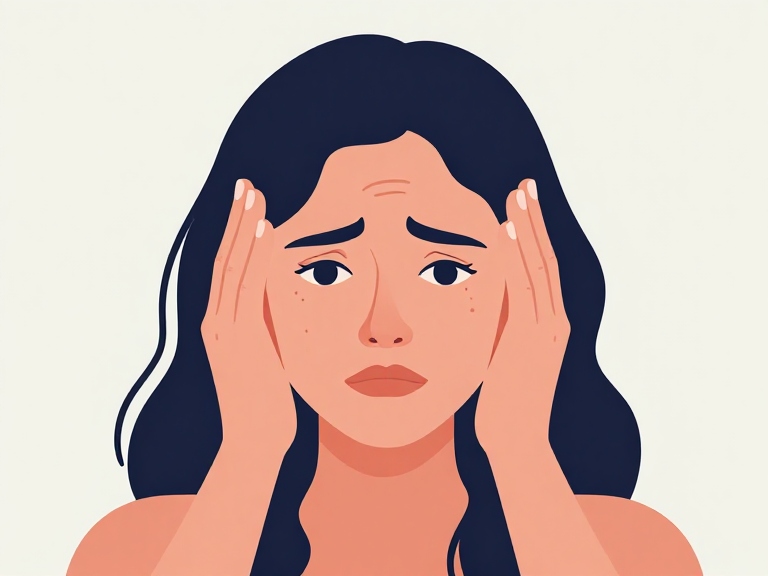
Do busy or noisy environments make conversations harder to follow? Background sounds can make it more difficult to distinguish speech.
Explore noisy environments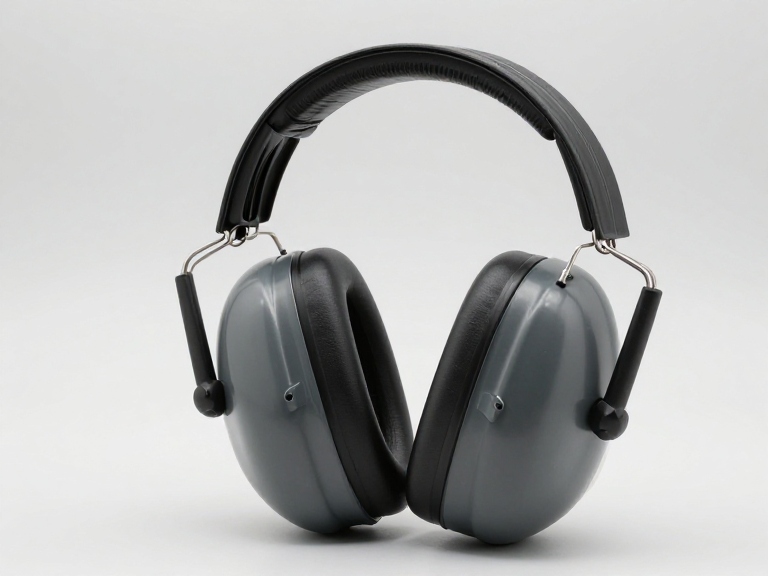
Would you like to learn more about protecting your hearing over time? Understanding sound exposure is a useful starting point.
Explore hearing protectionThese questions are for general awareness and are not a hearing test or a diagnosis.
A balanced approach to health can include several important areas of everyday life. Explore these topics to learn more about hearing, prevention and general well-being.

Regular checkups, appropriate screenings and conversations with healthcare professionals can help you stay informed about your health.
Read more
Understanding how hearing works can help you recognize changes and know when professional guidance may be useful.
Read more
Sleep, movement, stress management and recovery are important parts of a healthy daily routine.
Read more
Learning about noise exposure can help you make thoughtful decisions in loud environments and understand when protective equipment may be appropriate.
Read more
Hydration, nutritious food, regular movement and adequate rest can become valuable parts of everyday self-care.
Read more
Reliable health information can help you ask better questions and have informed conversations with healthcare professionals.
Read more
Looking after your health involves more than one habit. It can include staying active, making time for rest, understanding your health and building connections that contribute to everyday quality of life.
Small, realistic steps can help you create routines that fit your circumstances and support your broader well-being.
Your health can influence how you feel, work, connect with others and enjoy everyday life. That's why healthcare and prevention deserve an important place in your routine.
Staying informed about your health can help you make thoughtful decisions and recognize when it may be appropriate to seek professional guidance.
Health involves many parts of everyday life. Building sustainable habits can help create a foundation for long-term well-being.

Find physical activities that fit comfortably into your daily routine and that you enjoy.
Explore activity
Give your body and mind enough time for quality rest and recovery.
Explore rest
Learn about your health and discuss concerns with qualified healthcare professionals.
Explore health informationHearing is a complex process that allows the brain to interpret sounds from the surrounding environment. Understanding a few basic concepts can make it easier to think about hearing as part of overall health.

Maintaining healthy hearing is important for communication, social interaction, and overall quality of life. Learning about the structure and function of the ears, recognizing potential risks, and adopting healthy everyday habits can help protect your ability to hear and support long-term Hearing Health.
Learn how hearing works
Exposure to very loud sounds can damage the delicate structures inside the inner ear, particularly the sensory hair cells responsible for detecting sound vibrations. Both the intensity of the noise and the length of exposure can influence the risk of hearing damage. Understanding these risks and taking appropriate precautions are important steps in protecting long-term Hearing Health.
Understand noise exposure
Reducing unnecessary exposure to loud environments and using appropriate hearing protection, such as earplugs or earmuffs, may help protect the delicate structures of the inner ear from excessive noise. Taking regular listening breaks and keeping headphone volume at a moderate level are also useful everyday habits. These simple precautions can support long-term Hearing Health.
Explore everyday protection
Persistent or noticeable changes in hearing, such as difficulty understanding conversations, ringing in the ears, or increased sensitivity to everyday sounds, are worth discussing with a qualified healthcare professional. Sudden hearing loss requires urgent medical assessment because some underlying causes may need prompt, time-sensitive treatment. Recognizing these symptoms and seeking appropriate guidance are important steps in protecting your long-term Hearing Health.
Know when to seek advice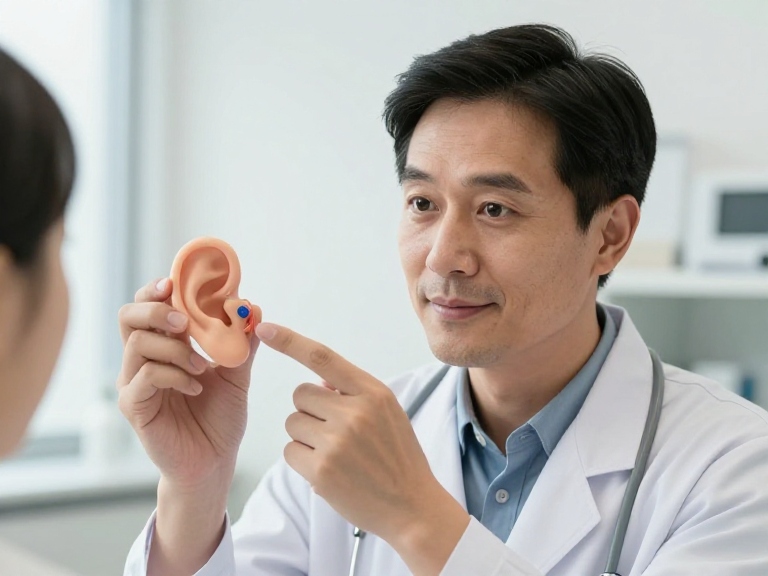
The outer, middle, and inner ear each contain specialized structures that work together to collect sound waves, transfer vibrations, and convert them into signals that the brain can interpret. These connected parts also help detect head movements and maintain the body's sense of balance, making their proper function essential for overall Hearing Health.
Explore ear anatomy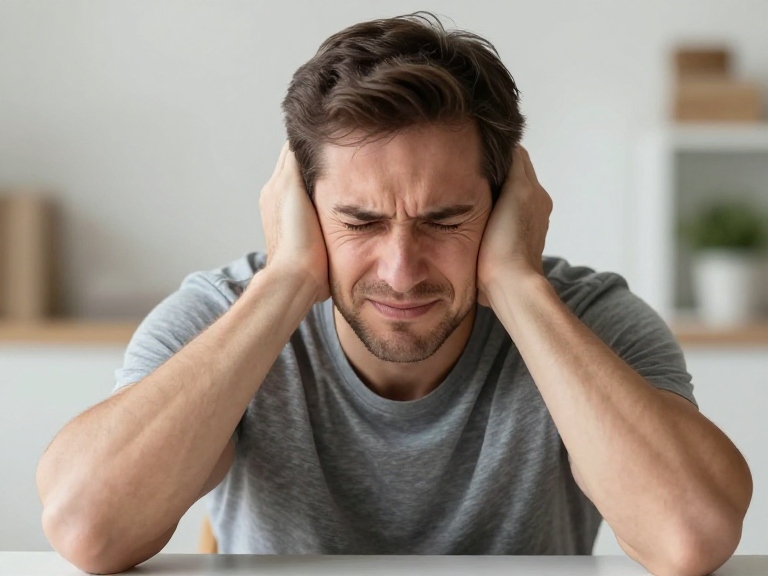
Specialized structures within the inner ear detect head movements, changes in direction, and shifts in body position, sending detailed information to the brain to help maintain balance, stability, and coordination. These sensory systems work together with vision and other signals from the body to support smooth movement and spatial awareness, making their function an important part of overall Hearing Health.
Discover how balance worksLearn more about common hearing-health questions and when professional advice may be appropriate.
Some hearing changes develop gradually and may not be immediately noticeable. If you notice a persistent change, speaking with a qualified professional can help clarify what may be happening.
Background noise can make it more difficult to separate speech from other sounds. This can be particularly noticeable in restaurants, public spaces or group conversations.
The intensity and duration of sound exposure are both relevant to hearing health. In very loud environments, reducing exposure or using suitable hearing protection may help protect hearing.
Persistent or concerning changes in hearing should be discussed with a qualified healthcare professional. Sudden hearing loss should be assessed urgently.
No. The information presented here is for general educational purposes and should not replace professional medical advice, diagnosis or treatment.
The ear is a complex sensory organ that allows us to hear sounds and helps maintain balance. Learn how sound waves travel through the outer, middle and inner ear, how vibrations are converted into electrical signals, and how the brain interprets these signals as the sounds we recognize every day. Explore the anatomy of the auditory system and discover more about how the ear works .
Looking after your health doesn't have to mean changing everything at once. Start with realistic habits, stay aware of your well-being and seek professional advice whenever you have questions or concerns.
Explore more educational resources to understand your body, evaluate health information and make informed choices.
Explore Mad AprilHealth Information Disclaimer: The information on this website is provided for general educational purposes only and is not intended to replace professional medical advice, diagnosis, or treatment. Always consult a qualified healthcare professional regarding your individual health needs or concerns. If you are experiencing a medical emergency, seek appropriate emergency medical care.