BLOOD SUGAR & METABOLIC HEALTH

Real Progress Is About More Than the Scale

Your health is more than a number. Discover how different health indicators can help provide a broader understanding of metabolic well-being.

Explore the Bigger Picture

Your Health Is More Than a Number

Body weight is often used as a simple way to track physical changes. However, it represents only one part of a much bigger picture. Two people with similar body weights can have very different health profiles, daily habits and individual health needs.

Real progress is not always reflected on the bathroom scale. Improvements in blood pressure, blood glucose, cholesterol levels, physical fitness, sleep and everyday energy may also be meaningful signs of positive change.

A balanced approach to well-being looks beyond appearance and considers how the body functions. Depending on your circumstances, a healthcare professional may assess several indicators together to better understand your overall health.

Important Measures Beyond Body Weight

Different measurements provide different pieces of information. No single number tells the whole story, but several indicators together can help create a more useful picture of health.

Healthcare professional discussing health measurements with a patient

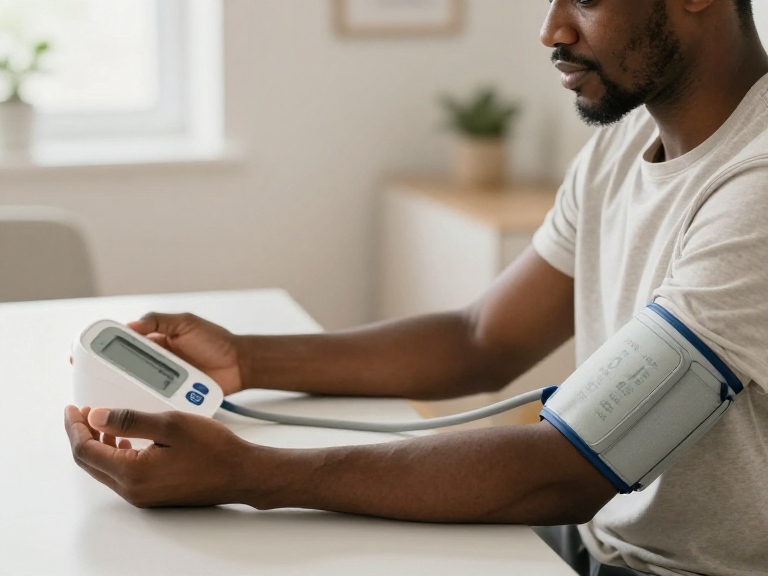
Blood Pressure

Blood pressure measures the force of blood against artery walls. It is an important indicator of cardiovascular health, and consistently elevated readings may increase the risk of heart and blood vessel problems.

Blood pressure can be influenced by several factors, including age, genetics, activity, nutrition, stress and certain health conditions. Regular monitoring can help identify patterns that deserve attention.
Medical professional reviewing blood test results

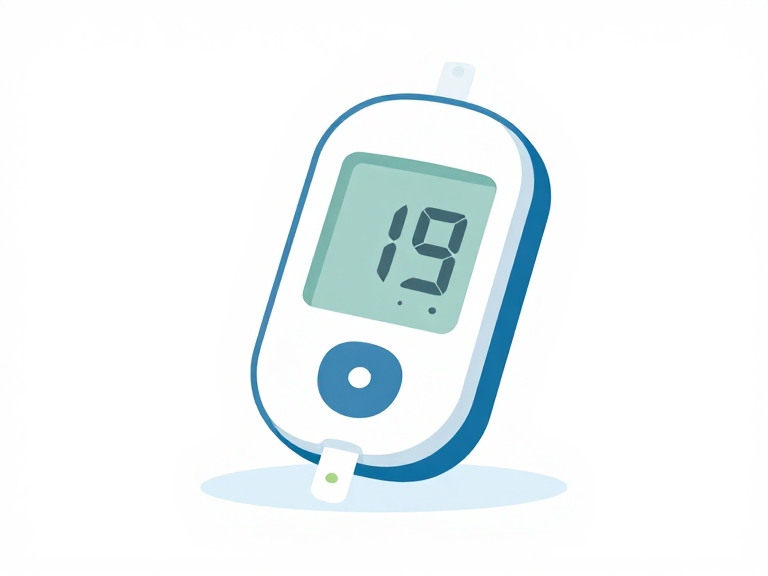
Blood Glucose

Blood glucose, commonly called blood sugar, is the amount of glucose circulating in the bloodstream. Glucose provides energy for the body's cells, while hormones such as insulin help regulate its levels.

Blood glucose measurements can help healthcare professionals assess how the body manages glucose. Depending on the situation, testing may be performed while fasting, after eating or at other specified times.

Blood sample being prepared for laboratory testing

HbA1c

HbA1c is a blood test that estimates average blood glucose over approximately the previous two to three months. It measures the proportion of haemoglobin in red blood cells that has glucose attached to it.

Unlike a single blood glucose reading, HbA1c provides information about glucose levels over a longer period. It can help assess glucose regulation and support diabetes screening and management.

Healthcare professional examining medical information

Cholesterol

Cholesterol is a substance the body needs to build cells and produce certain hormones. However, the amount and types of cholesterol circulating in the blood are important when assessing cardiovascular risk.

A lipid profile may include total cholesterol, LDL cholesterol, HDL cholesterol and triglycerides. These results can help healthcare professionals understand aspects of heart and metabolic health.

Medical consultation and discussion of personal health

Symptoms and Everyday Health

How you feel and function also matters. Changes in energy, thirst, urination, sleep, appetite or exercise tolerance may provide useful information about your health.

Symptoms do not always identify a specific condition, and some health concerns may develop without noticeable signs. Discussing changes with a healthcare professional can help determine whether further assessment is appropriate.

Person enjoying a peaceful outdoor walk

Fitness and Physical Activity

Physical fitness is another meaningful part of overall health. Strength, endurance, balance, mobility and the ability to complete everyday activities can all help describe how the body is functioning.

Regular movement can support cardiovascular health, muscle function and the body's use of glucose. Progress may be reflected in greater stamina, improved strength or feeling more comfortable during daily activities.

Laboratory blood testing equipment

What Does HbA1c Actually Tell You?

HbA1c is useful because it offers an estimate of average blood glucose over a longer period rather than showing only one moment in time.

Glucose naturally attaches to haemoglobin, a protein in red blood cells that carries oxygen. The HbA1c test measures how much of this haemoglobin has glucose attached to it.

Because red blood cells circulate for several months, the result reflects glucose exposure over approximately two to three months, with more recent levels contributing more strongly.

HbA1c can help identify prediabetes and diabetes and can be used to monitor glucose management. However, it is not a complete measure of health and does not show every change in blood glucose throughout the day.

Learn About the HbA1c Test

Numbers Need Context

Health measurements are most useful when interpreted alongside your personal circumstances. Age, medical history, medications, pregnancy, family history and other factors can influence what a result means for an individual.

For example, HbA1c is an important measure of average glucose exposure, but it may not be equally reliable in every situation. Certain forms of anaemia, haemoglobin variants, kidney conditions and changes in red blood cell turnover can affect the result.

Blood glucose and HbA1c results may sometimes provide different information. When results do not match expectations, a healthcare professional can decide whether repeat testing or another assessment is needed.

A single measurement should not be used to make assumptions about your overall health. Trends over time, other test results and your individual medical situation can all matter.

Recognising Progress Beyond the Scale

Sustainable improvements often appear in everyday life as well as in health measurements. Paying attention to different aspects of well-being can make progress easier to recognise without relying on body weight alone.

Improved Everyday Stamina

Walking farther, climbing stairs more comfortably or feeling less tired during routine activities can be meaningful signs of improved physical capacity.

Building Strength

Gradual improvements in strength, balance and mobility can support independence and make everyday tasks easier.

More Consistent Habits

Regular meals, physical activity, sufficient sleep and hydration can contribute to a more supportive daily routine.

Better Rest and Recovery

Consistent sleep and appropriate recovery time can support energy, concentration and the ability to maintain healthy routines.

Understanding Health Measurements

Following relevant blood pressure, glucose and cholesterol measurements with professional guidance can help you understand changes over time.

A Healthier Relationship with Progress

Focusing on how you feel, what you can do and the habits you maintain can create a more balanced perspective on long-term well-being.

Be Careful with Quick-Fix Health Claims

Products promoted for weight management, metabolism or blood sugar support can make attractive promises. However, marketing language should never be confused with reliable scientific evidence.

Be cautious with products promising rapid fat loss, dramatic laboratory improvements or guaranteed results. Health is complex, and no supplement can guarantee a particular change in body weight, blood glucose, HbA1c or cholesterol.

Dietary supplement capsules arranged on a surface

An Ingredient List Is Not Proof

An ingredient may have been studied individually, but that does not automatically prove that a finished supplement produces the same effects.

The specific formulation, amount used, ingredient quality, combination of ingredients and available human research all matter when evaluating a product.

Person reviewing product information before making a purchase

Look Beyond Marketing Promises

Claims about fat burning, metabolism or blood sugar should be supported by appropriate scientific studies.

Look for well-designed human research that examines the actual product or formulation, rather than relying only on laboratory experiments or studies of unrelated ingredients.

Healthcare professional providing individual health advice

Consider Your Individual Needs

Supplements can have side effects or interact with medicines. Products marketed for glucose management deserve particular caution for people taking medication that lowers blood sugar.

If you have a health condition, take prescription medication or are considering a new supplement, speak with a qualified healthcare professional before using it.

Focus on Habits That Support Overall Health

There is no single routine that works for everyone. However, a few practical habits can help support general well-being and metabolic health over time.

Build Balanced Meals

Include a variety of vegetables, fibre-rich foods, protein sources and healthy fats. Choose nourishing foods that suit your needs and preferences.

Move Regularly

Find enjoyable ways to stay active. Walking, cycling, swimming and strength-based activities can all contribute to physical health.

Prioritise Quality Sleep

Aim for a consistent sleep routine and enough rest. Good sleep habits support recovery, energy and general well-being.

Stay Hydrated

Drink water regularly throughout the day and consider choosing unsweetened drinks instead of sugary alternatives.

Manage Everyday Stress

Make time for relaxing activities, take breaks and develop healthy ways to manage everyday pressures.

Keep Up with Health Checks

Discuss appropriate health screenings and follow-up measurements with your healthcare professional, based on your personal risk factors and medical history.

When Should You Discuss Your Results?

Consider discussing your measurements with a healthcare professional if you have questions about blood glucose, HbA1c, blood pressure or cholesterol results.

Professional advice is especially important if you have a family history of diabetes or cardiovascular disease, have been told that your results are outside the expected range, or notice persistent changes in your health.

Symptoms such as unusual thirst, frequent urination, unexplained weight changes or persistent fatigue can have several possible causes. They should not be self-diagnosed using online information.

A healthcare professional can help determine which tests are appropriate, explain what your results mean and recommend a plan based on your individual needs.

Real Progress Is About More Than the Scale

Your health cannot be summed up by one number. Body weight, blood pressure, blood glucose, HbA1c, cholesterol, physical fitness and everyday well-being each offer different information.

Focus on sustainable habits, understand your health measurements and seek professional guidance when needed. Small, consistent steps can be valuable even when the scale does not change.

Explore Blood Sugar & Metabolic Health

Health Disclaimer

The information in this article is provided for general educational purposes only. It is not intended to replace professional medical advice, diagnosis or treatment.

Health measurements, including blood glucose, HbA1c, blood pressure and cholesterol, should be interpreted in the context of an individual's medical history and circumstances. Do not use this article to diagnose or manage a health condition or to change prescribed medication.

Dietary supplements are not substitutes for a balanced diet, appropriate medical care or prescribed treatment. Speak with a qualified healthcare professional before starting a supplement, particularly if you have a medical condition or take medication.

More on Blood Sugar & Metabolic Health

Explore related topics to better understand glucose regulation, everyday habits and the different factors that contribute to metabolic well-being.

How Does Your Body Use Blood Sugar?

Learn how glucose provides energy for your cells and how insulin helps regulate blood sugar.

Read article →

Metabolic Balance

Explore how the body converts nutrients into energy and why metabolism involves many interconnected processes.

Read article →

Build Balanced Meals

Discover practical ways to include vegetables, fibre-rich foods, protein and healthy fats in everyday meals.

Read article →

Move Throughout the Day

Find out how regular movement supports physical health and helps muscles use glucose.

Read article →

Prioritize Quality Sleep

Understand why consistent, sufficient sleep is an important part of everyday metabolic well-being.

Read article →

Stay Hydrated

Learn how drinking enough water supports normal body functions and how unsweetened drinks can fit into a balanced routine.

Read article →

Trusted Health Resources

For more detailed information about blood glucose testing, HbA1c and metabolic health, explore these educational resources from established health organisations.

The A1C Test & Diabetes

Learn how HbA1c measures average blood glucose, how the test is used and what can affect its accuracy.

Visit NIDDK →

Diabetes Testing

Explore information about diabetes testing, blood glucose and the importance of understanding test results.

Visit CDC →

Standards of Care in Diabetes

Review professional guidance covering diabetes screening, diagnosis, assessment and ongoing care.

Explore the Standards →