

SEO marketing is a foundational strategy used by digital marketing agencies to help brands improve their visibility in search engines and attract highly targeted traffic. By optimizing websites, content, and technical structure, SEO marketing boosts long-term discoverability without relying on paid ads. It provides sustainable growth, stronger authority, and a steady stream of organic visitors for businesses that want lasting results.
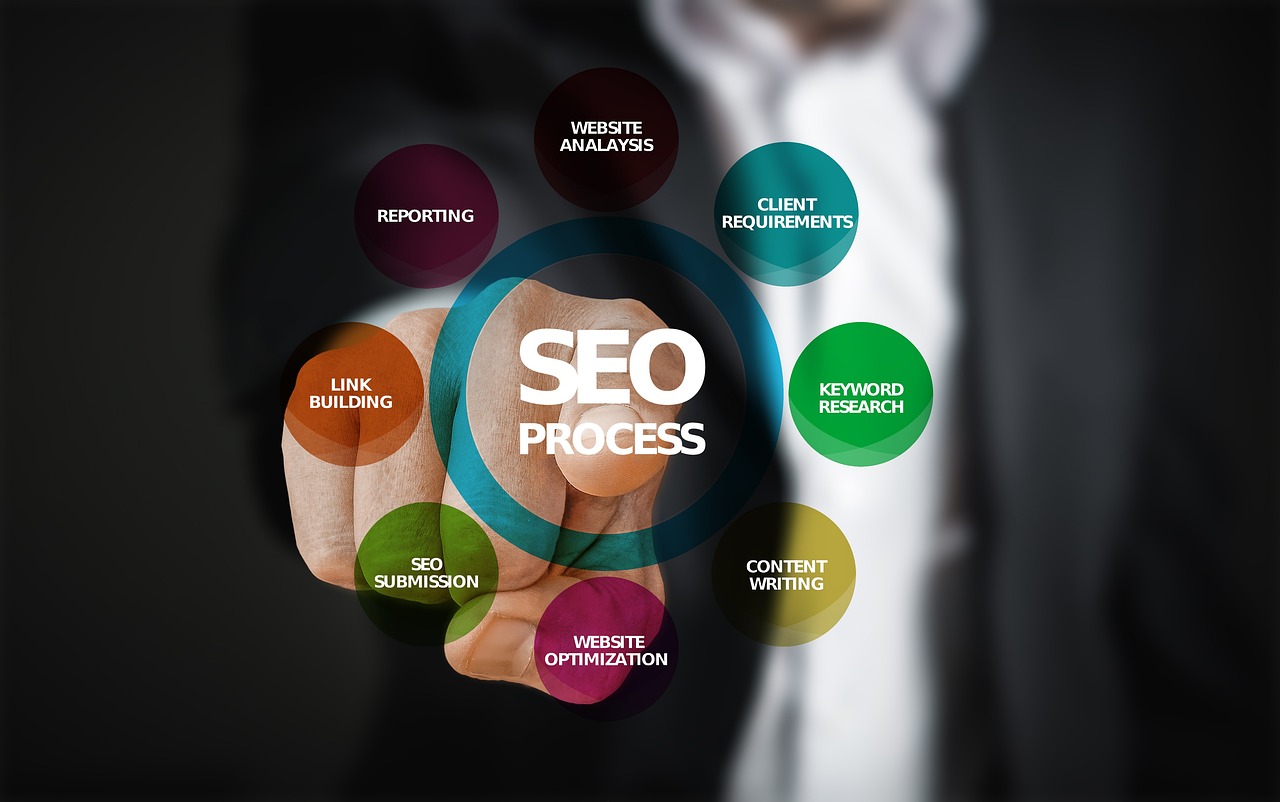
At its core, SEO marketing involves multiple interconnected components that work together to increase rankings. These include keyword research, on-page optimization, technical SEO, content creation, link building, and user experience improvements. Agencies tailor SEO strategies to each client, ensuring the right audience finds the right content at the right time.
One of the biggest advantages of SEO marketing is its ability to drive continuous, high-quality traffic without ongoing advertising spend. While it takes time to build momentum, SEO creates compounding results — meaning visibility grows month after month. This makes SEO an ideal strategy for long-term business growth, brand authority, and sustainable lead generation.

Google Search is the primary focus of SEO marketing, as it processes billions of queries daily. Agencies optimize websites so they appear higher in search engine results pages (SERPs) for relevant keywords. This includes improving page structure, refining metadata, enhancing core web vitals, building authoritative backlinks, and ensuring that content aligns with search intent.
Content plays a central role in SEO marketing. Agencies craft high-value articles, landing pages, guides, and resources that answer user questions and establish expertise. Search engines reward websites that provide valuable, accurate, and comprehensive information, especially when structured cleanly with strong on-page optimization.
Technical SEO is another crucial component. It ensures that a website is crawlable, fast, secure, mobile-friendly, and free from errors. Agencies regularly perform technical audits to identify issues that may harm rankings, such as broken links, duplicate content, missing tags, and slow load speeds.

Link building is a powerful element of SEO marketing, helping to improve credibility and authority. By earning high-quality backlinks from reputable websites, agencies strengthen the perceived trustworthiness of a brand. Google views these links as “votes of confidence,” which significantly impact ranking potential.
Ongoing optimization is essential for successful SEO marketing. Agencies continuously analyze keyword performance, user behavior, competitor strategies, and search trends. This real-time data helps refine content strategies, improve ranking opportunities, and address any shifts in search engine algorithms.
SEO marketing also supports broader brand visibility by improving local rankings, optimizing business listings, and boosting map pack results. Local SEO is especially valuable for service-based businesses that rely on customers within a specific region.
Budget management in SEO differs from paid advertising because the investment focuses on time, expertise, tools, and content creation rather than ad spend. Agencies allocate resources to tasks that produce the highest long-term gains, such as content development, technical fixes, and authority building.
In conclusion, SEO marketing is one of the most powerful long-term strategies for improving brand visibility, generating consistent organic traffic, and building trust with potential customers. When executed effectively, it enhances online presence, strengthens authority, and drives sustainable business growth. As search engines evolve, SEO marketing remains a core component of every successful digital marketing strategy.